
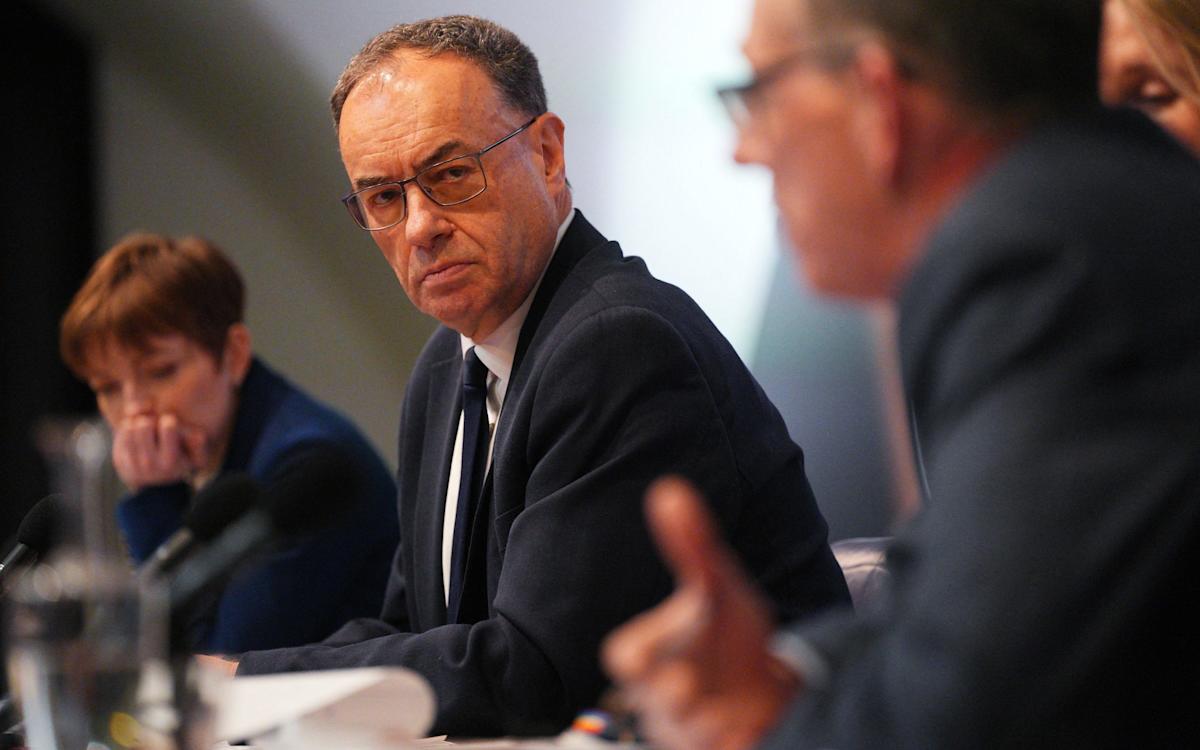

Andrew Bailey has warned of “complacency” in financial markets after claiming AI’s productivity boom could fail to deliver.
The Governor of the Bank of England sounded the alarm over a potential stock market bubble on Sunday, warning that “expectations of AI-driven productivity gains could be disappointed”.
This could have damaging consequences for the global economy after investors have piled trillions of dollars into AI companies, largely in the hope that the technology will unleash a global productivity boom.
He said: “We have seen evidence of fear of missing out, backed by arguments along the lines of, ‘This time is different, for instance, because of the expected productivity benefits of AI.’”
He said this has raised the risk “of some complacency in financial markets”.
“I am an optimist on the potential for AI and robotics to move the dial on productivity, and thus economic growth,” he said. “But I like to think I am a realistic optimist.
“My impression is that we have made more progress so far applying AI to well-defined task-based work rather than more ambitious goals, which I don’t find surprising.”
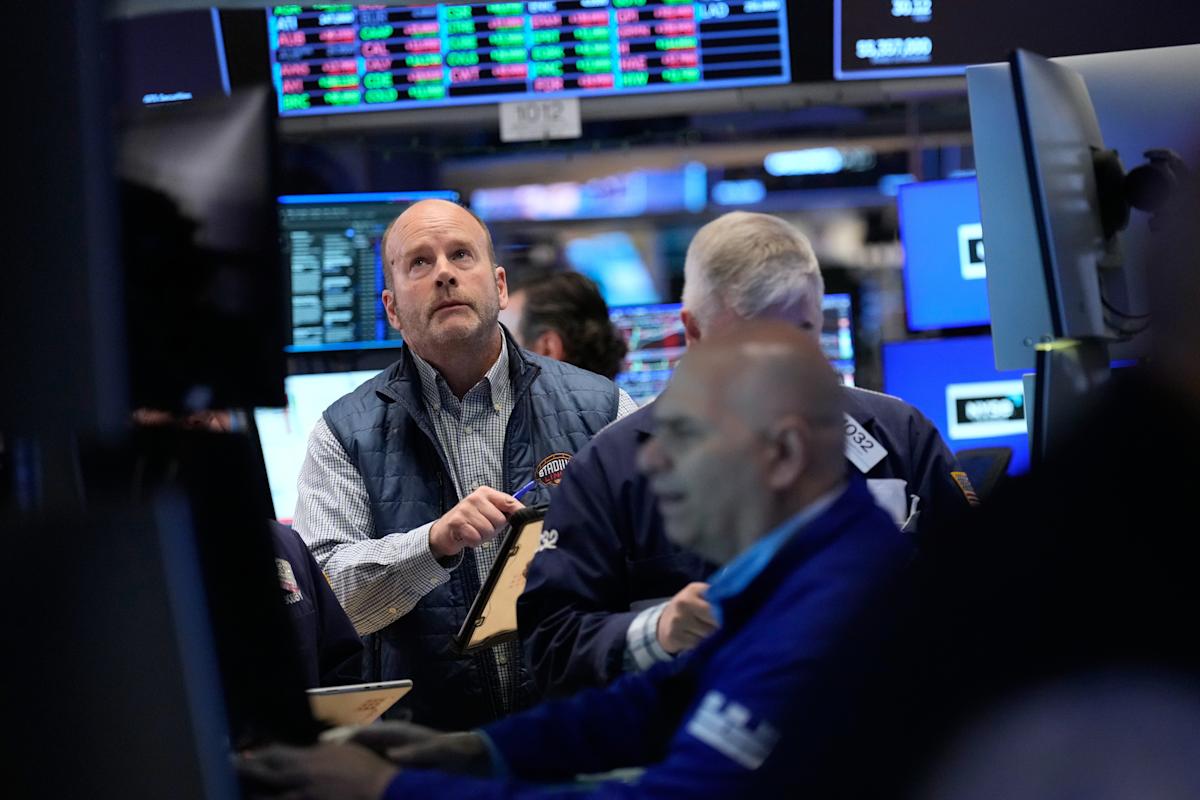
It comes after a week of turmoil on stock markets prompted by fears about the impact of AI.
Many tech companies were hammered by a global sell-off, with software stocks hit particularly hard over concerns their business models will be upended by AI.
Speaking at a conference in Saudi Arabia, the Bank’s chief said the threat from a potential AI bubble is just one of several facing the global economy.
He also warned about increased geopolitical tensions, further disruption to global trade and growing debt pressures.
Mr Bailey’s warning about AI echoes concerns raised by the European Central Bank.
In its most recent Financial Stability Review, the bank warned that record stock valuations for AI companies could “reflect fears of missing out on a continued rally” rather than what the companies can deliver.
It added: “Current market pricing does not appear to reflect persistently elevated vulnerabilities and uncertainties.”
The Bank of England also warned in December that valuations were “particularly stretched” for companies focused on AI, which has been bankrolled by trillions of dollars in debt.
“Deeper links between AI firms and credit markets, and increasing interconnections between those firms, mean that, should an asset price correction occur, losses on lending could increase financial stability risks,” it said.
Mr Bailey’s warning about AI clashes with recent comments made by Kevin Warsh, who has been nominated by Donald Trump to replace Jay Powell as the chair of the Federal Reserve.






Leave a Reply