
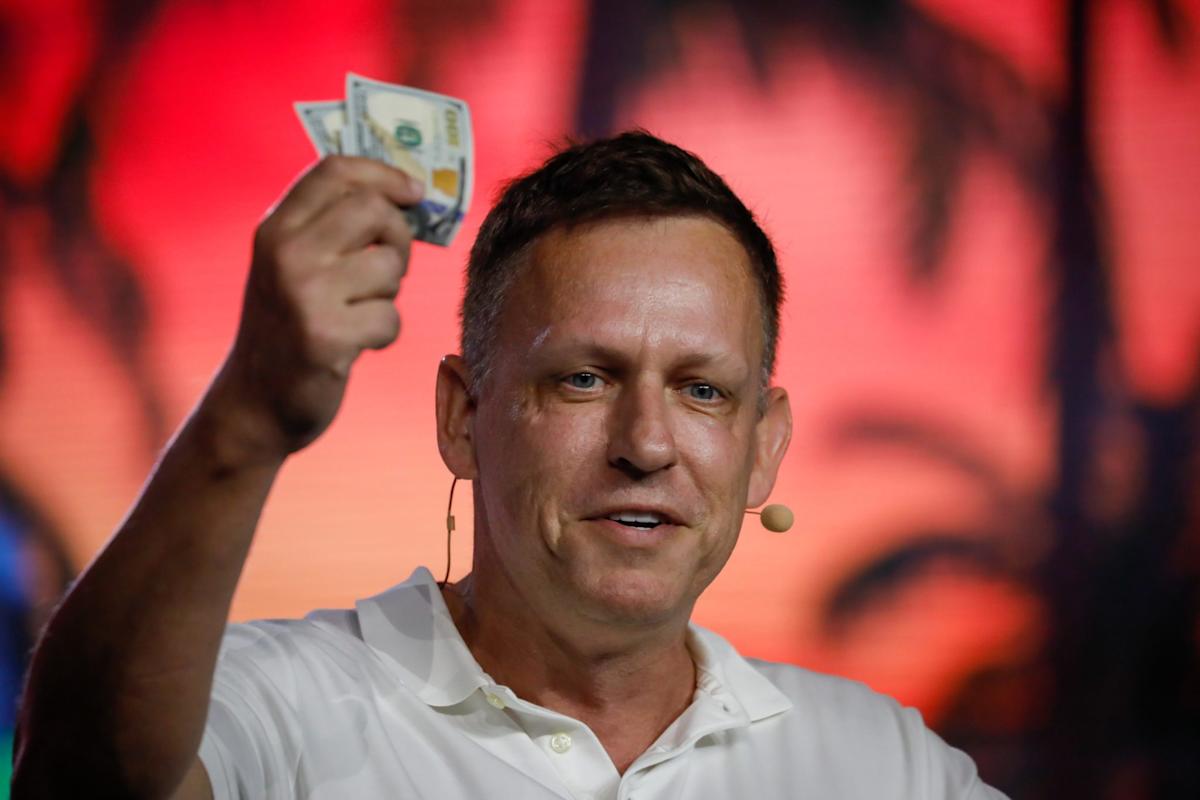
Venture capitalist Peter Thiel has written his biggest political check in years, donating $3 million to a California business group leading the fight against a proposed billionaire wealth tax. The move positions the Palantir co-founder as one of the earliest and most prominent financiers of an emerging campaign to stop the 2026 Billionaire Tax Act before it reaches voters.
Thiel made the $3 million contribution on December 29 to the California Business Roundtable, a powerful Sacramento-based lobbying group that represents large employers and corporate interests. The donation is the first seven-figure check publicly tied to opposition to the billionaire tax proposal and Thiel’s largest disclosed political gift since the 2022 midterm elections, when he spent more than $35 million backing populist conservative candidates. The New York Times was first to report on the donation, citing a public disclosure.
While the money is not formally earmarked only for the wealth-tax fight, the Roundtable is expected to serve as a central vehicle for organizing and funding the business community’s push to defeat the measure. Rob Lapsley, the group’s president, has said he is actively courting deep-pocketed donors across the state as part of a broader effort to marshal corporate and elite support against the tax initiative and other proposals viewed as unfriendly to business.
The proposed 2026 Billionaire Tax Act would levy a one-time 5% tax on the net worth of California residents whose wealth exceeds $1 billion, targeting assets such as privately held businesses, stocks, bonds, art, collectibles, and intellectual property rather than income. Real estate and certain pensions and retirement accounts would be excluded, but otherwise the measure is designed to capture a broad swath of financial and intangible holdings within ultra-wealthy portfolios.
If approved by voters, the tax would apply to anyone who is a California resident or part-year resident as of January 1, 2026, with the bill calculated on asset values at the end of 2026 and payable beginning in 2027. Billionaires could choose to spread payments over five years, but would incur an extra 7.5% annual nondeductible charge on the unpaid balance, effectively raising the long-run cost for those who opt to defer.
News of the proposal has already prompted a wave of soul-searching—and anger—among California’s ultrawealthy, with some high-profile founders and investors exploring moves to other states or further reducing their ties to California. At least several billionaires have already left the state in recent years, and business leaders warn the tax could accelerate an exodus and sap the innovation ecosystem that underpins California’s tech economy.









Leave a Reply