
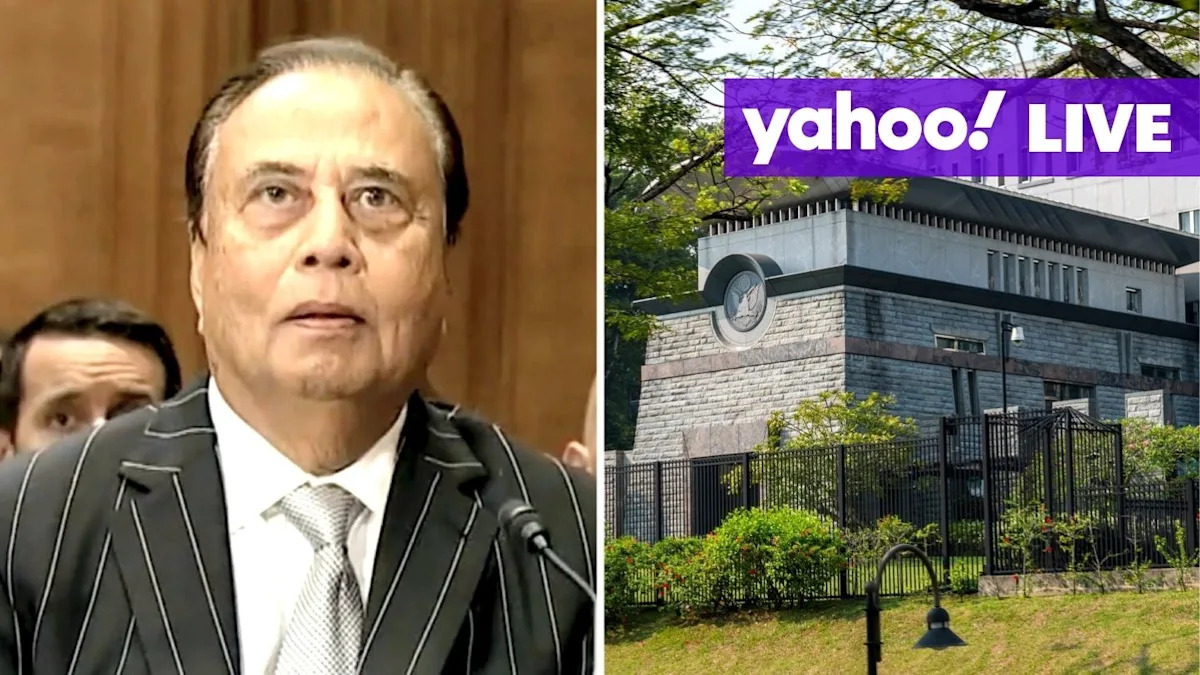
Singapore has been invited to join US President Donald Trump’s proposed Board of Peace and is assessing the offer, the Ministry of Foreign Affairs (MFA) says. (Photo: REUTERS/Kevin Lamarque)
(REUTERS / Reuters)
Singapore has been invited to join US President Donald Trump’s proposed Board of Peace, the Ministry of Foreign Affairs confirmed. Authorities said the invitation is under assessment.
The board would focus on conflict-affected regions and post-war reconstruction, starting with Gaza. Its scope is not limited to a single conflict zone.
Membership involves financial contributions, with long-term seats linked to payments of at least US$1 billion. Singapore has not indicated whether it would seek such a role.
The MFA said Singapore prefers contributing constructively without holding prominent leadership positions. This aligns with its long-standing diplomatic approach.
Several other countries have yet to respond, while some leaders have declined outright. The board’s structure remains a key point of uncertainty.
Explainer: Trump’s “Board of Peace”
What is Trump’s “Board of Peace”?
The Board of Peace is a proposed international body initiated by former US President Donald Trump. It is intended to address global conflicts and oversee post-conflict reconstruction, initially linked to Gaza but with a broader mandate.
Who would lead the Board of Peace?
Trump would chair the board. Under the proposed charter, he would hold significant authority over membership terms and expulsions, subject to a two-thirds board vote.
How does membership work?
Countries can join for a standard three-year term. Those contributing at least US$1 billion within the first year may qualify for long-term or permanent membership.
Why is the US$1 billion fee controversial?
Critics say the fee could give wealthier nations disproportionate influence. Some allies have questioned whether financial contributions should determine decision-making power.
How is this different from the United Nations?
Trump has positioned the board as an alternative to existing multilateral institutions, which he has criticised as ineffective. Unlike the UN, the board would not rely on established international governance frameworks.
Which countries have been invited?
Multiple countries, including Singapore, have received invitations. Several governments are still assessing the proposal.
Has anyone declined to join?
Yes. French President Emmanuel Macron has declined the invitation, citing reservations about the board’s structure and role.
What is Singapore’s position?
Singapore has confirmed it is assessing the invitation. The MFA said Singapore prefers contributing constructively without holding prominent positions.
Is the Board of Peace operational yet?
No. The board remains a proposal, with its structure, funding, and membership still being discussed.
What happens next?
The board’s future depends on whether enough countries agree to participate and commit funding. Further details are expected if the proposal gains traction.






Leave a Reply