Jet fuel costs and supplies across the globe are under pressure from the US and Israeli war on Iran.
Some major airlines are canceling flights in response.
One airline exec described fuel prices as his business’s most serious challenge.
First, the war made flights more expensive. Now, it’s making them disappear.
The US and Israel’s war on Iran has disrupted supply chains, trapping oil in storage facilities across the Middle East.
That saw the price of Brent crude oil rocket past $100 a barrel in early March, before dipping back below that benchmark once ceasefire talks began this month. On Friday, the price was at $92.42 when markets closed.
Jet fuel prices have risen even faster, doubling in price to almost $200 a barrel. And as the war drags on, jet fuel is getting harder to come by for countries that don’t produce it or have limited supplies.
“In Europe, we have maybe six weeks or so (of) jet fuel left,” the International Energy Agency’s executive director, Fatih Birol, told the Associated Press on Thursday.
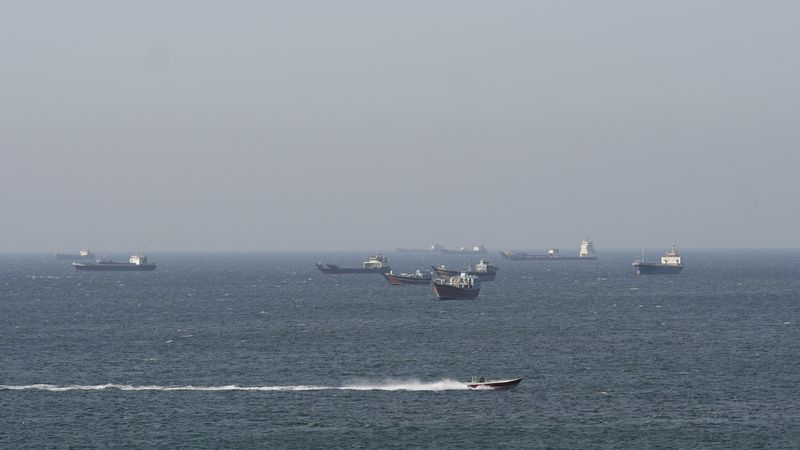
He added that, if the Strait of Hormuz isn’t opened, there would then be flight cancellations due to fuel shortages.
Several airlines have already canceled flights or grounded airplanes due to rising costs.
June Goh, a senior oil market analyst at Sparta Commodities, said in a post on X that jet fuel requires specialized storage, which means less is stored than for other products, like gasoline.
“Travel has gotten a lot more expensive in Asia, with many airlines adding fuel surcharges or downright canceling flights,” she wrote. “Europe is facing imminent jet fuel supply shortages. Brace yourselves.”
Here’s a look at some of the airlines that have already started canceling flights due to rising prices and falling supplies.
Ryanair, Europe’s largest airline, said it is considering reducing routes.
CEO Michael O’Leary said its jet fuel supply could be at risk if the war continues during an interview with Sky News.
“We don’t expect any disruption until early May, but if the war continues, we do run the risk of supply disruptions in Europe in May and June,” he said.
KLM said on April 17 that it was canceling 80 return flights from Amsterdam’s Schiphol Airport, its main base.
It added that these routes were “no longer financially viable to operate” due to rising kerosene costs. The airline also clarified that there was no kerosene shortage.
The same day, Germany’s Lufthansa announced that it was retiring dozens of aircraft ahead of schedule due to rising jet fuel prices and the impact of labor disputes.
Most of the airplanes are Canadair CRJ aircraft, as it shuts down its loss-making regional subsidiary Lufthansa CityLine.
KLM airplanes at Amsterdam Schiphol Airport.Patrick van Katwijk/Getty Images
Switzerland’s Edelweiss Air also said it was canceling flights to the US, due to declining demand and rising fuel prices. It will no longer fly to Denver or Seattle, and will reduce the frequency of flights to Las Vegas.
A spokesperson for Scandinavian Airlines said that it would cut about 1,000 flights in April due to the surge in jet fuel costs.
They added that most of the canceled flights were on short-haul routes in the Nordic region, at airports with multiple daily flights.
Several airlines in Asia said they would cut flights to mitigate fuel shortages and mounting costs.
Vietnam Airlines suspended seven domestic flight routes beginning April 1, a local state-run newspaper reported, according to Reuters. The outlet reported that Vietnam Airlines planned to slash flight volume by 10% to 20% a month over the next financial quarter if jet fuel prices rise to $160 to $200 per barrel.
Other local airlines, including Vietjet Air and Bamboo Airways, will also cut flights.
AirAsia said it has cut 10% of its flights and raised fares to curb the impact of rising fuel costs. The Malaysian low-cost carrier, which flies to 25 countries, added that it would cut capacity on routes where it couldn’t cover fuel costs.
At a media briefing on April 6, CEO Bo Lingam said the fuel surcharge has risen up to 20%, and overall ticket prices have risen 30% to 40%.
Lingam said its jet fuel had risen from $90 per barrel before the war to $200 per barrel, describing this as the airline’s most serious challenge.
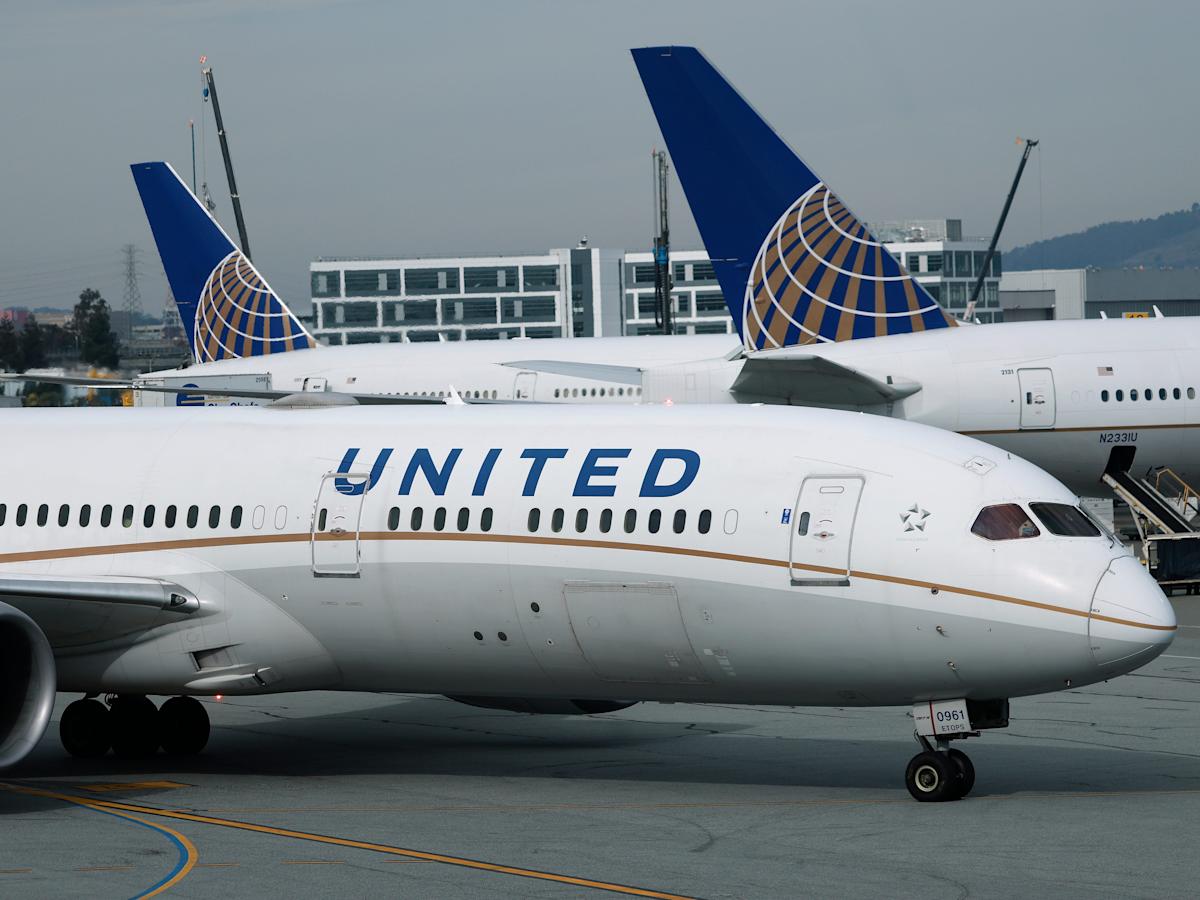
United Airlines CEO Scott Kirby said in a March memo to staff that the company would cut flights over the next two quarters.
“In the short term, that means tactically pruning flying that’s temporarily unprofitable in the face of high oil prices,” Kirby said.
The airline planned to cancel some off-peak flights and red-eyes.
“If prices stayed at this level, it would mean an extra $11 billion in annual expense just for jet fuel,” Kirby said in a message to employees posted on the company’s website. “For perspective, in United’s best year ever, we made less than $5B.”
Delta hasn’t officially announced any flight cuts due to fuel prices; the oil refinery it owns in Pennsylvania has given it a buffer during the crisis.
“It’s not going to cover the crack entirely, but gives us a fairly significant hedge,” Delta CEO Ed Bastian said at a March JP Morgan conference.
Delta is cutting its seasonal Los Angeles to Anchorage route this summer, telling Business Insider that it “adjusts its schedule to align with customer demand.” Alaska Airlines will be the sole operator on that route.
Air New Zealand said it would cut about 5% its flights, or about 1,100, at the start of May.
“We’re focused on consolidating flights that are off-peak flying hours, for example, or where there is an alternative that we can re-accommodate customers,” CEO Nikhil Ravishankar told 1News, a local outlet, in March.
Air Canada said it will suspend certain routes starting in late May due to rising jet fuel costs.
“Jet fuel prices have doubled since the start of the Iran conflict, affecting some lower profitability routes and flights which now are no longer economically feasible,” the company’s statement said. “Schedule adjustments including some frequency reductions are being made in response.”
The route suspensions will impact certain domestic Canadian, transborder, and international flights.










Leave a Reply