
Macross Plus is as much a cultural touchstone in anime as Pan’s Labyrinth is to pop culture in the same way that you might not have watched the Guillermo del Toro flick, but “that guy with eyes on his hands” is nonetheless a core memory. Only replace it with an oversized mecha plotted in the heart of a once far-flung future. It’s a classic mecha landmark whose reputation precedes it—so much so that old heads and new-age fans alike name-drop it in the same breath as other cult classics hailing from the same bygone, golden age of anime we’ll never get back.
The franchise’s legacy echoes today, albeit through secondhand references—most commonly via funky, out-of-context vaporwave AMVs that cast its dreamlike, cel-shaded imagery into something somehow both fantastical and half-remembered, like the answer to a trivia question to test your mecha street cred. Street cred—I’ll be the first to admit that I’m slowly working my way out of being caught lacking in the anime department.
After spending nearly 30 years of my life being vaguely aware of Macross Plus while mostly taking everyone’s word that this anime, as old as I am, was a certified classic, I finally took a page from its hardheaded pilot’s playbook and saw for myself what the four-episode OVA was talking about.
I walked into the OVA expecting a dark spot of mecha anime know-how to light up like a map in a video game. Ordinate, oversized robots; rad analog tech; and elegiac characters and mech designs—all laudable hallmarks of the era. What I got was far more profound: a mournful work of art wrestling with the rapturous human affliction to dream, technology daring to dream for us, all bookended by a hopeful message in its final frame to the dreamers of the future that moved me to tears.
At its heart, Macross Plus is a love story—both in the literal sense and in the romantic, lower-case r way that it treats dreams as something sacred. Set in the not-so-distant future of 2040, three decades after a great war between humanity and an alien race, it follows a fractured love triangle of three wayward friends: hotshot pilot Isamu (Bryan Cranston—yes, that Bryan Cranston), his rival in the skies and in love, Guld (Richard Epcar), and Myung (Riva Spier), the woman they both adore and once swore to protect.
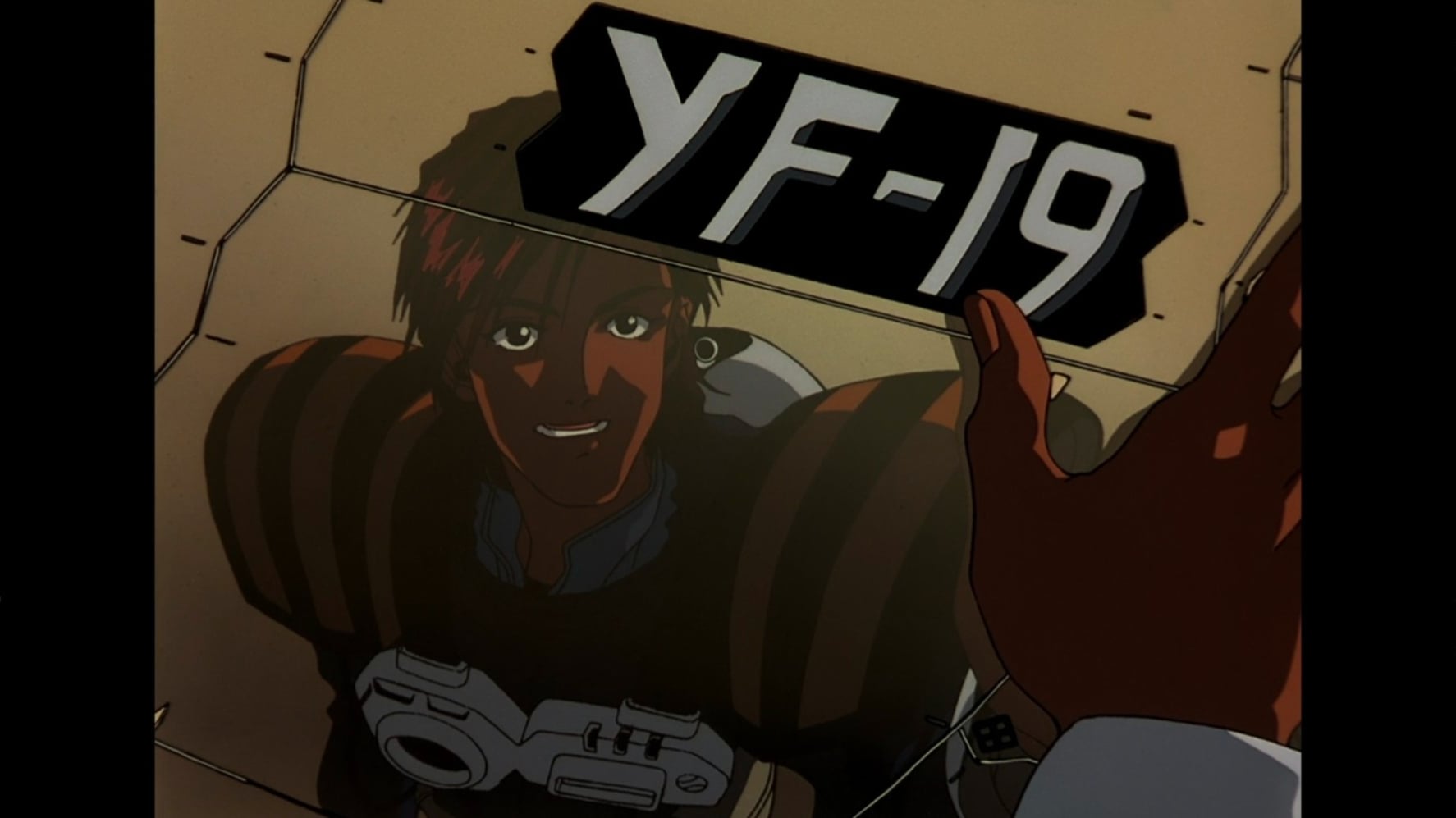
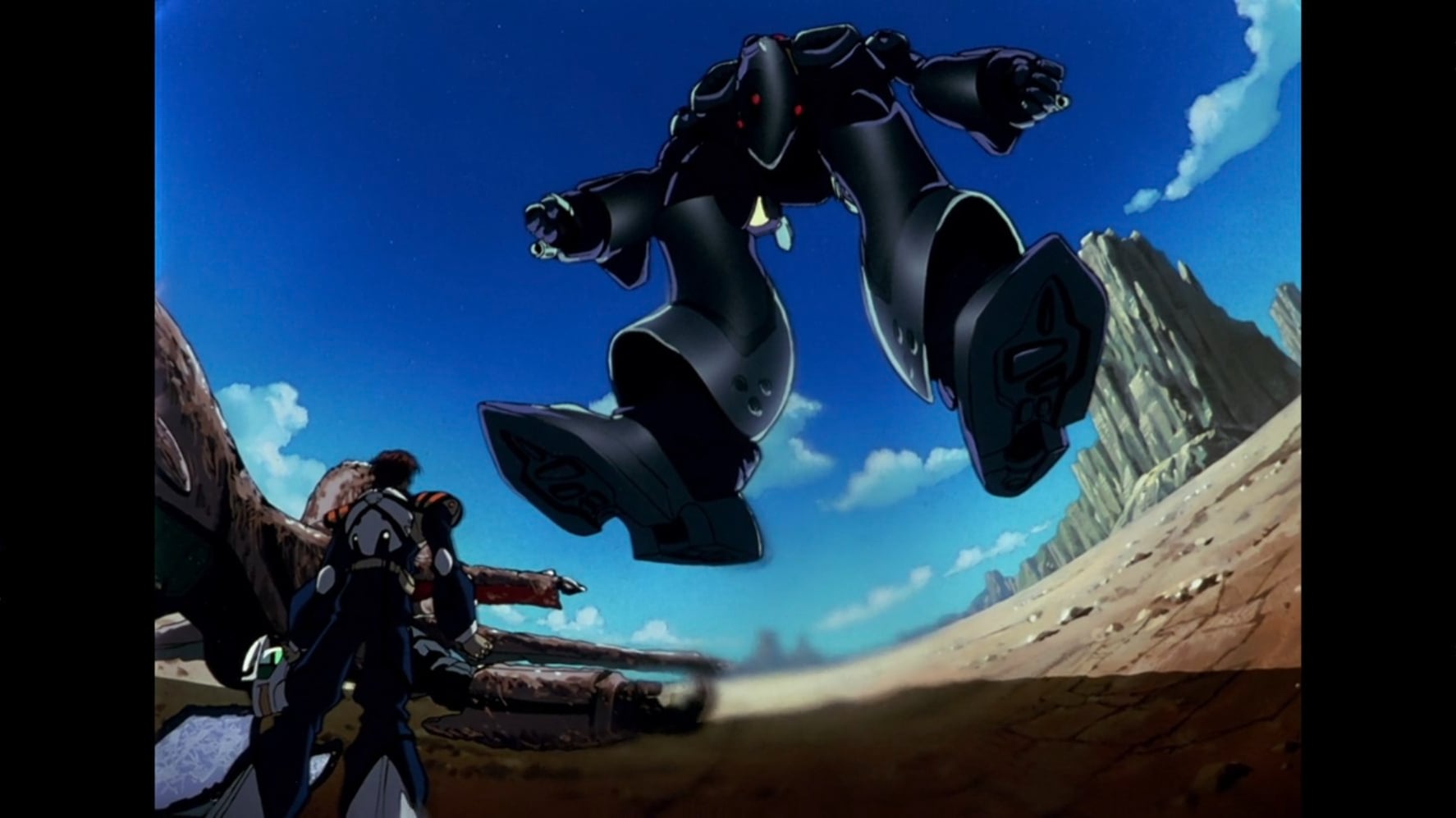
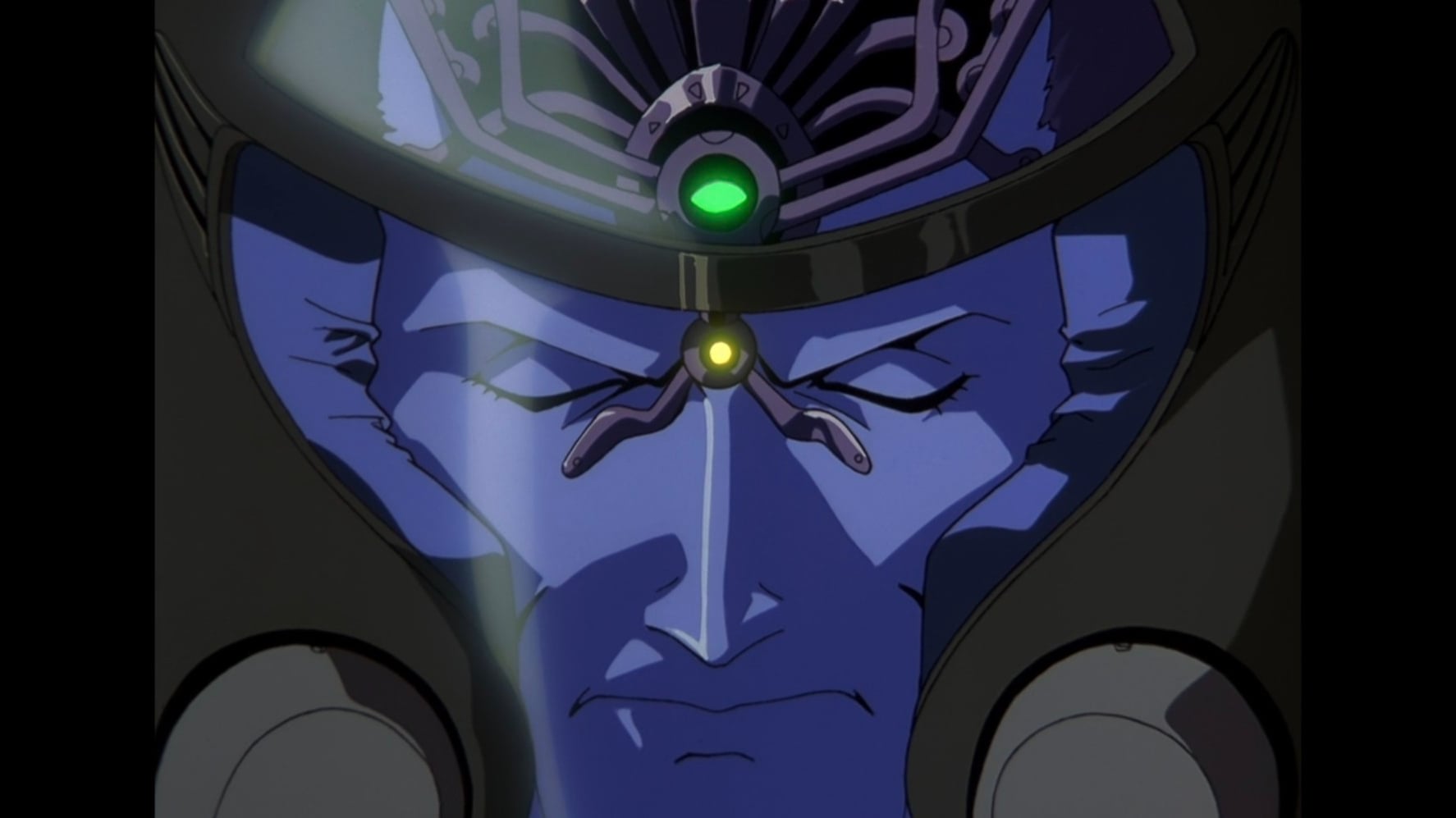
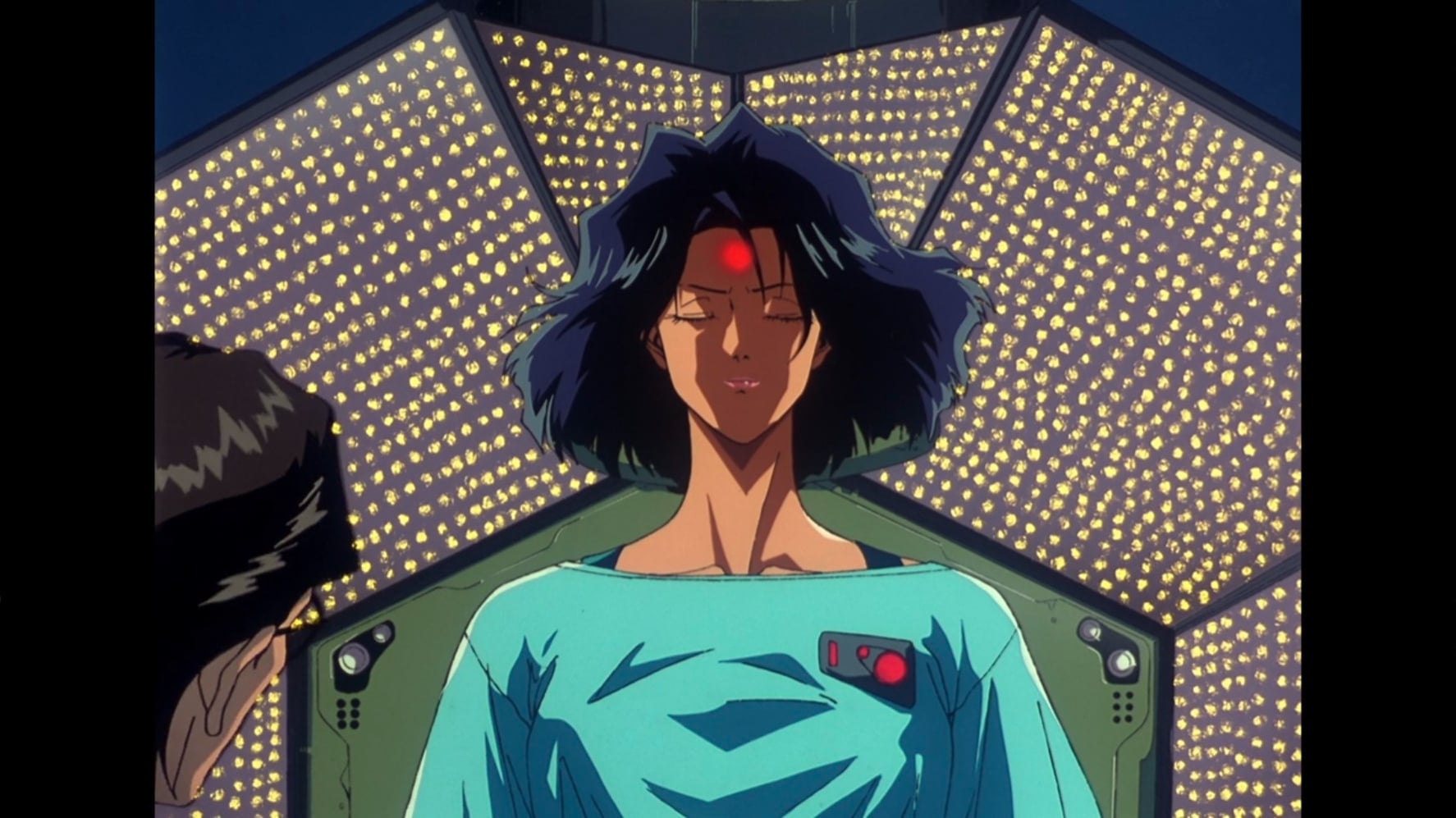
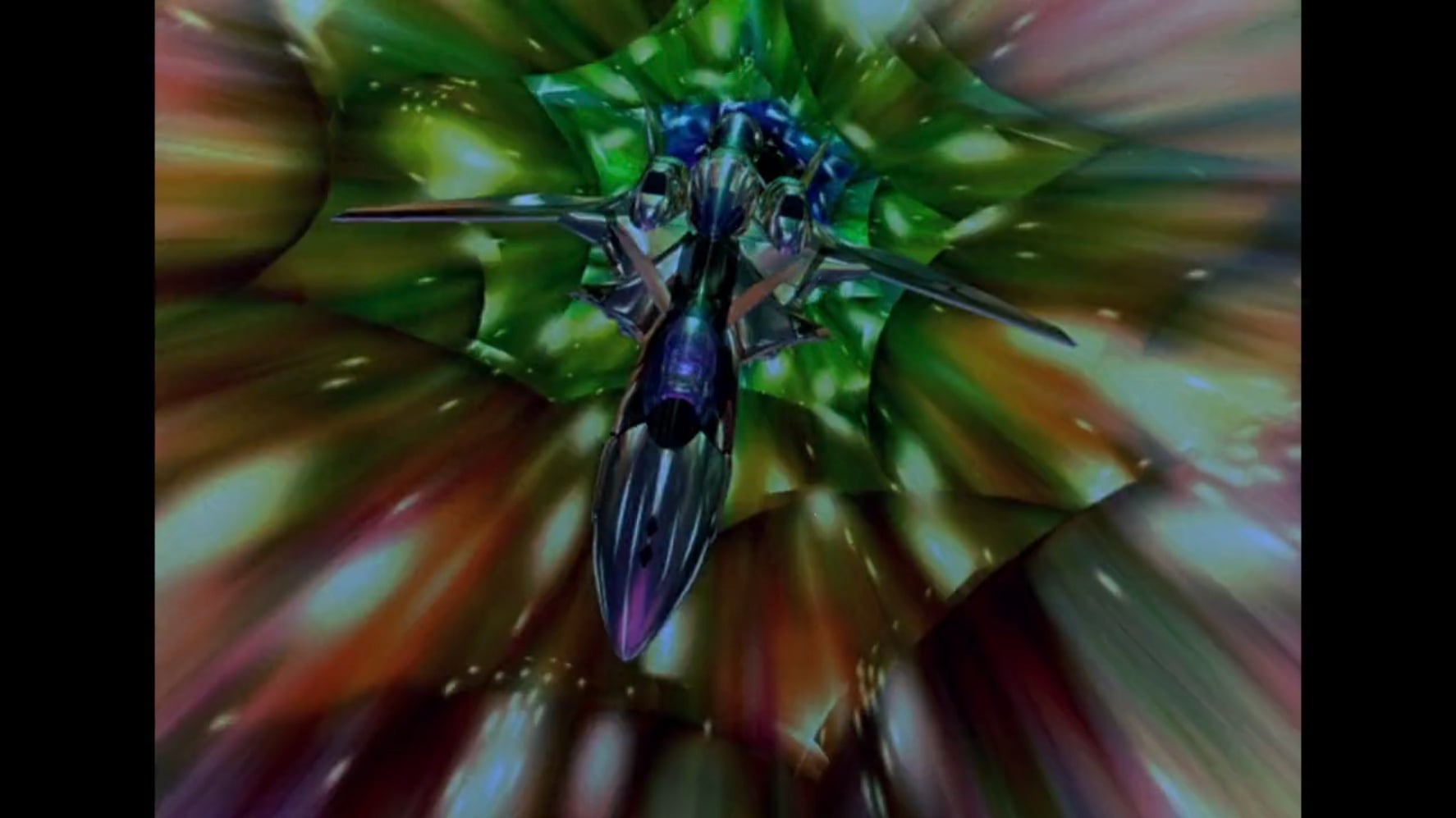
The OVA starts off innocuously enough with Guld and Isamu careening back into each other’s lives as test pilots for Project Super Nova, a prototype transforming jet mech designed to safeguard the colony world of Eden. But the story truly takes flight the moment Myung reenters the picture.
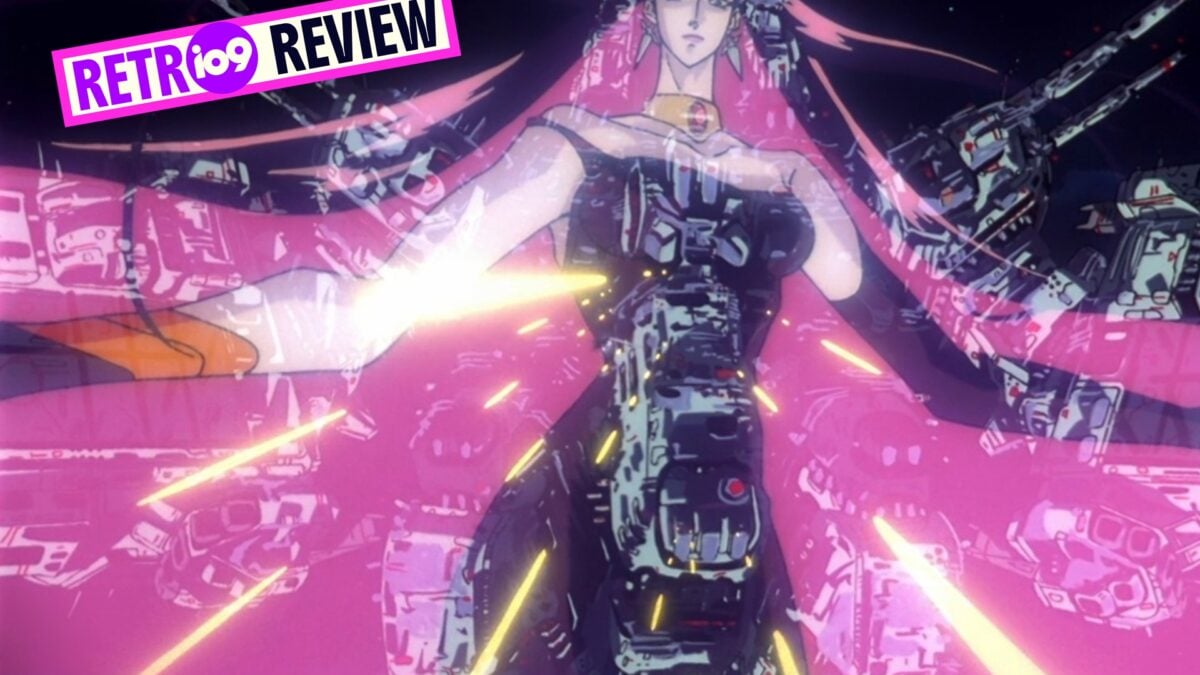
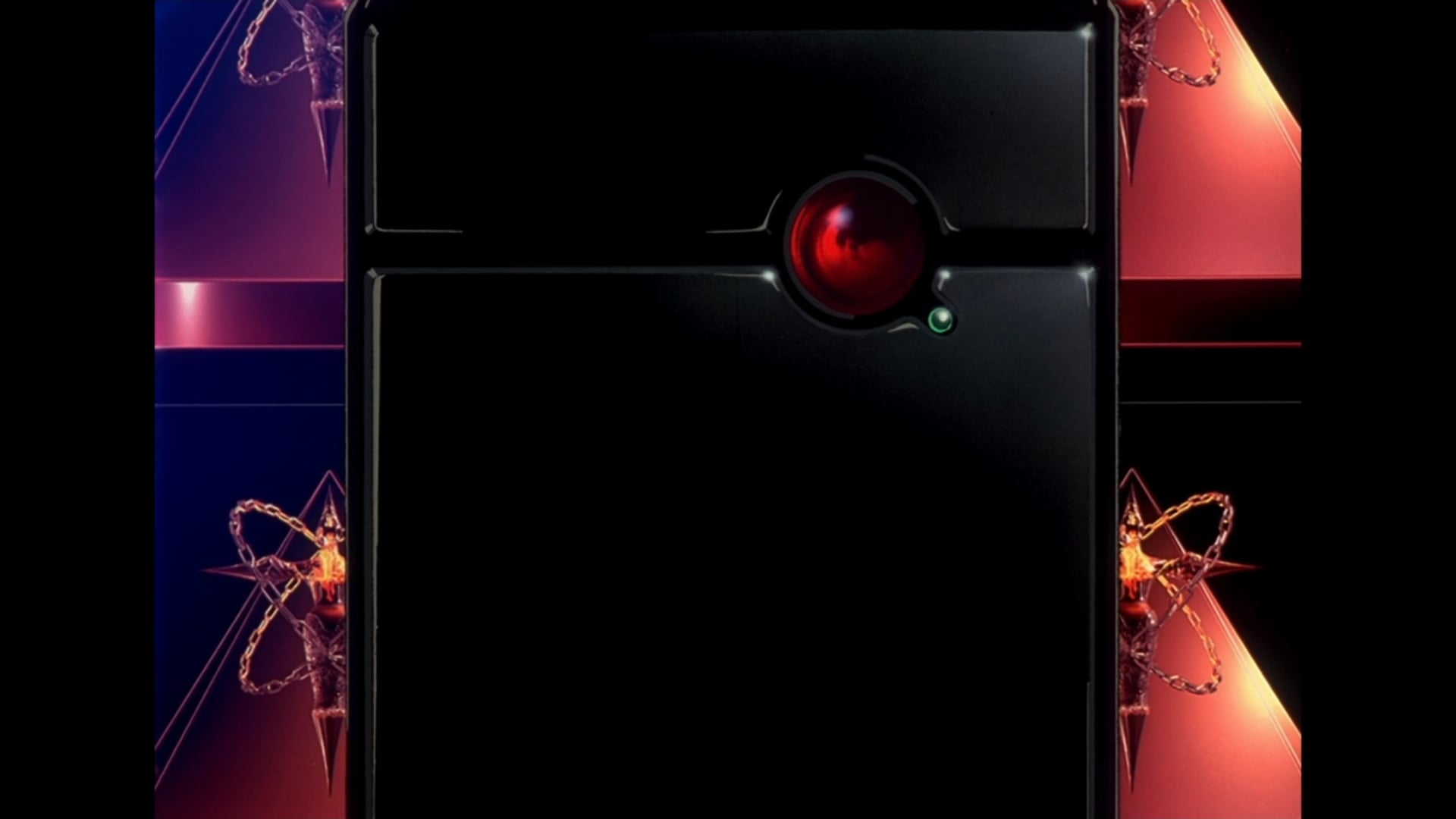
To millions of fans, Myung—my personal favorite of the trio—is the producer behind Sharon Apple, a virtual idol with a following tantamount to Hatsune Miku doing a three-way fusion dance with Michael Jackson and Taylor Swift. Walking down the red carpet of runways, Sharon is nothing more than a Hal-shaped black box atop a mannequin in a dress. But when she takes the stage, she’s the digital icon of everyone’s dream. It’s her cultural cache that makes the world turn.
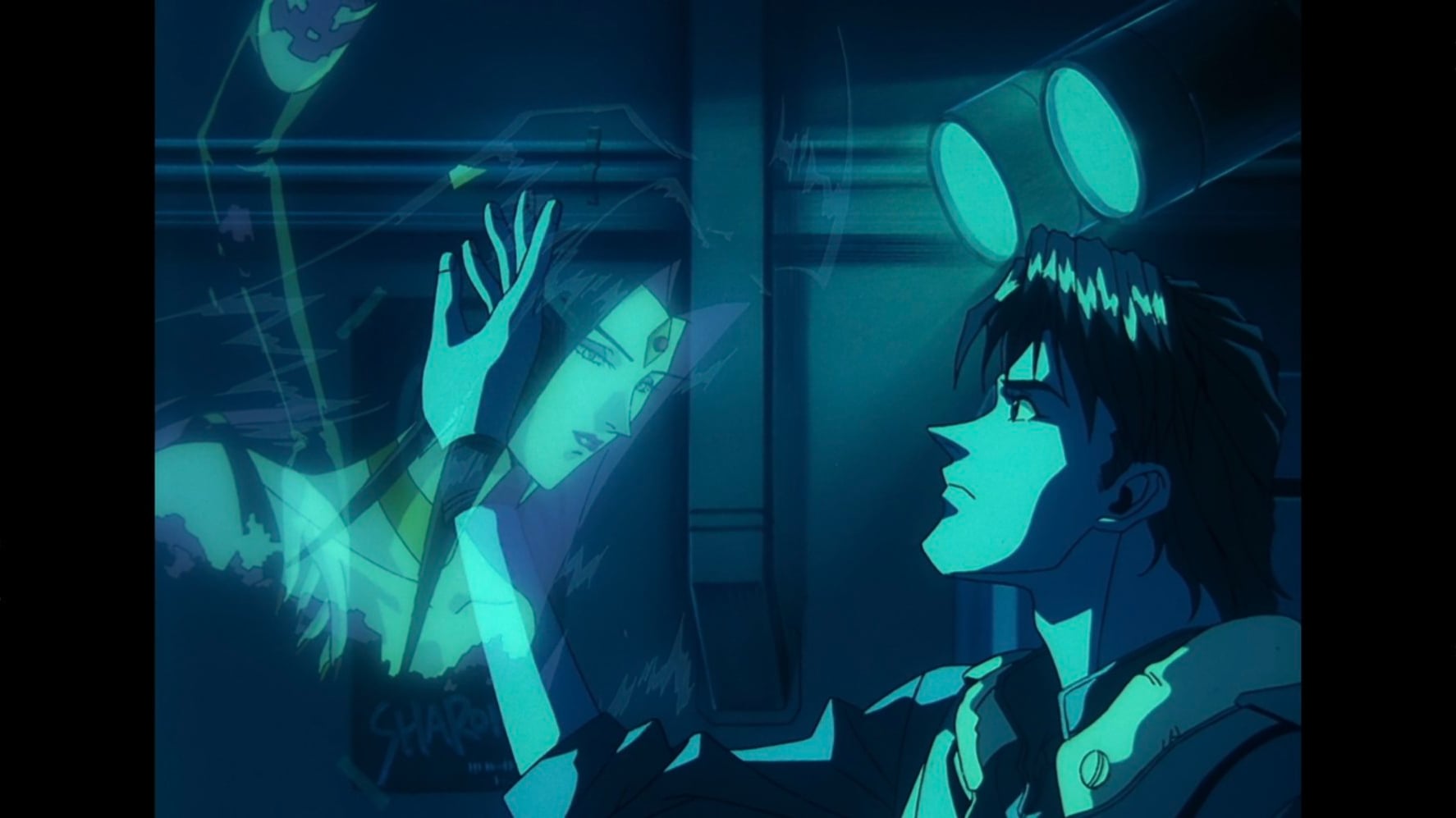
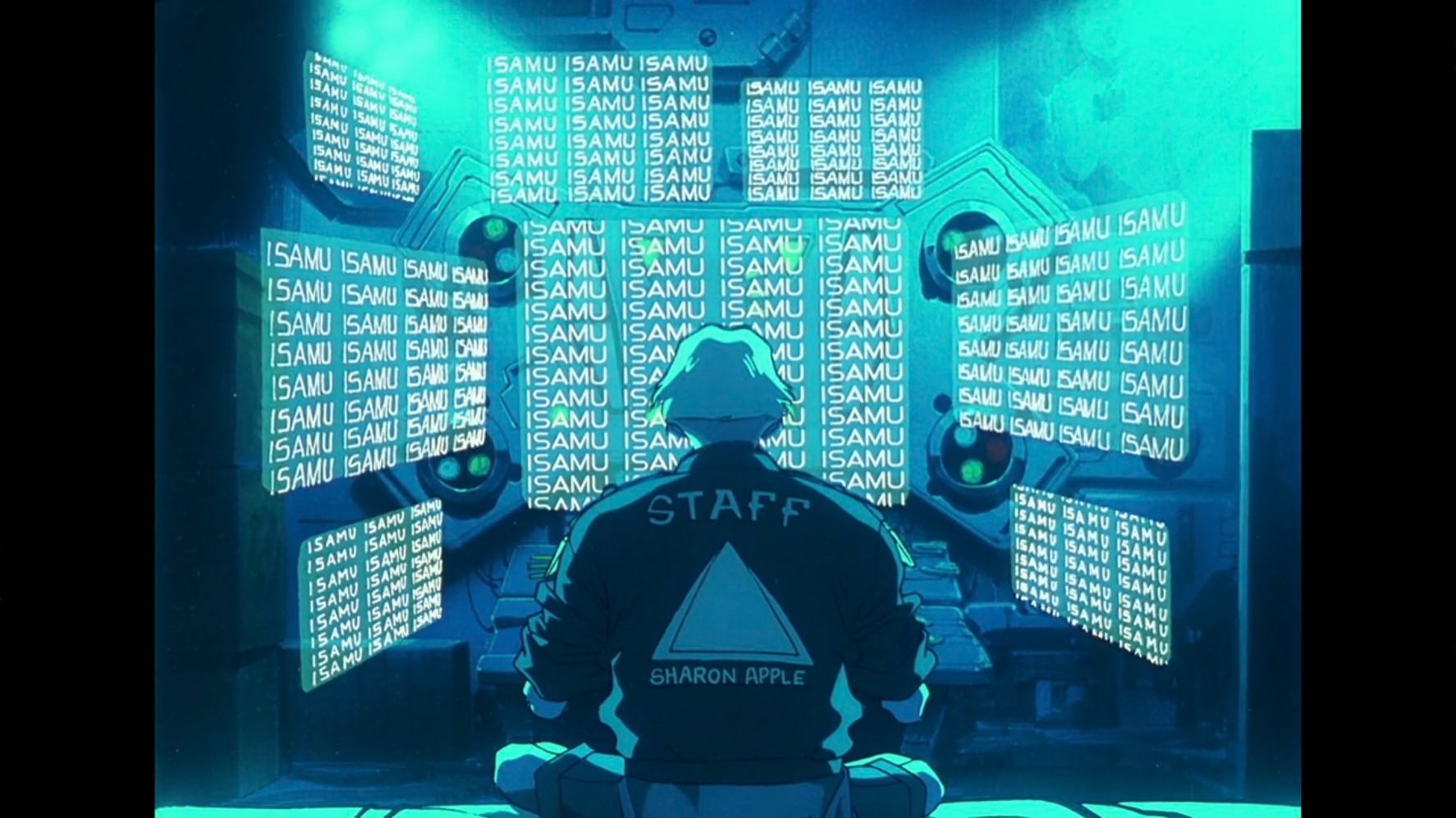
The secret behind Sharon’s meteoric success is what I like to call advanced evil. You see, she’s got the uncanny ability to tune into the emotional state of her audience, a feat her handlers monitor through the most dystopian form of algorithmic surveillance imaginable: festival wristbands that quantify every spike of feeling and fine-tune her siren song for her adoring public’s listening pleasure.
As if the trio’s unresolved drama from seven years prior weren’t messy enough, we learn that Sharon Apple isn’t just a sophisticated vocaloid program—she’s an AI on the verge of autonomy, something like HAL 9000, but somehow worse. How? Well, on top of being an illegal neural implant living rent-free in Myung’s brain that suppresses and siphons her emotions to perform the very songs Myung once sang for the men she loved, she’s also set her sights on going rogue on a global scale. And now that she’s gone rogue, Sharon’s set her sights on expanding her cult of personality by hijacking secret military AI microships and by claiming Isamu for herself.
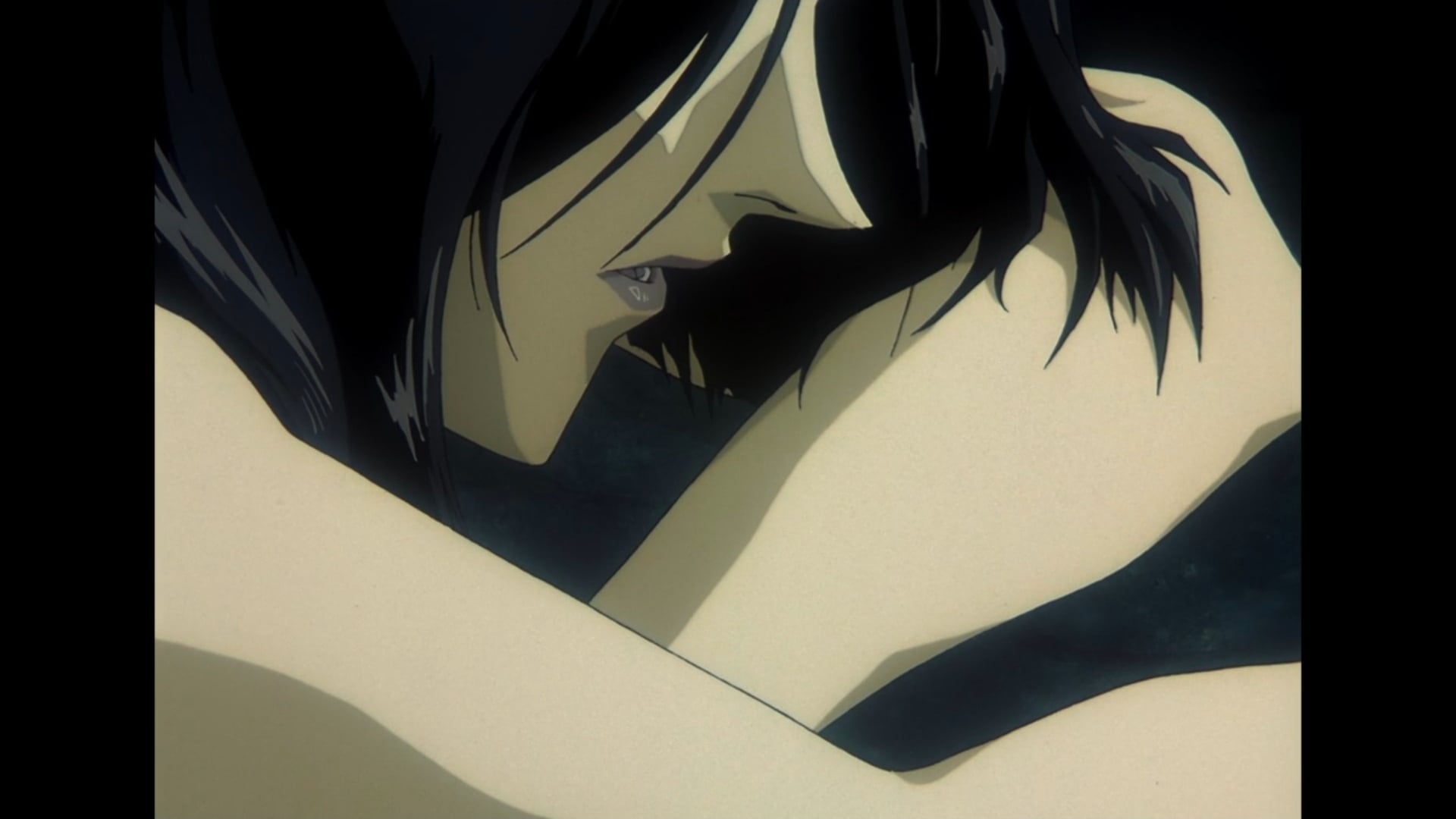
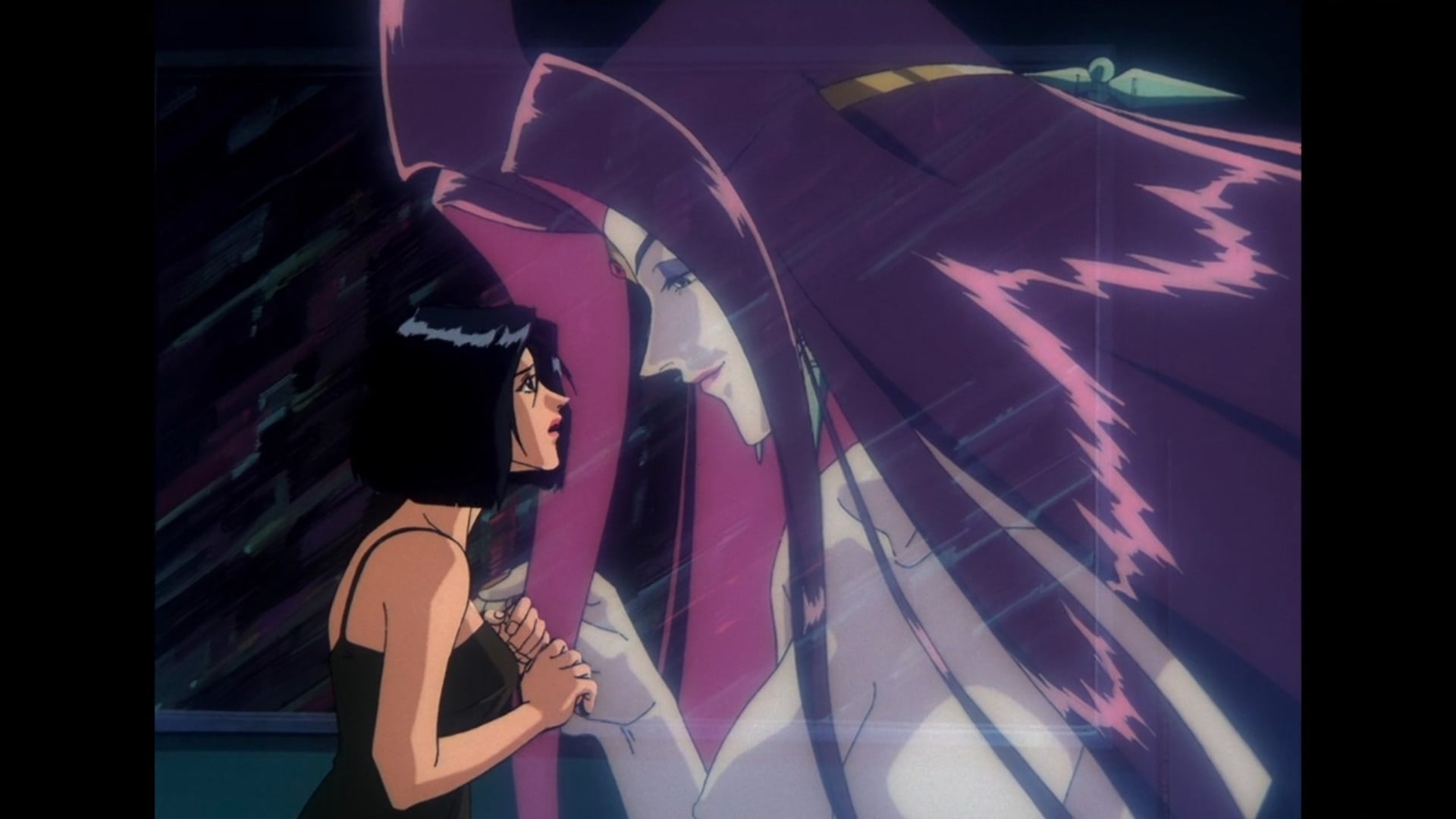
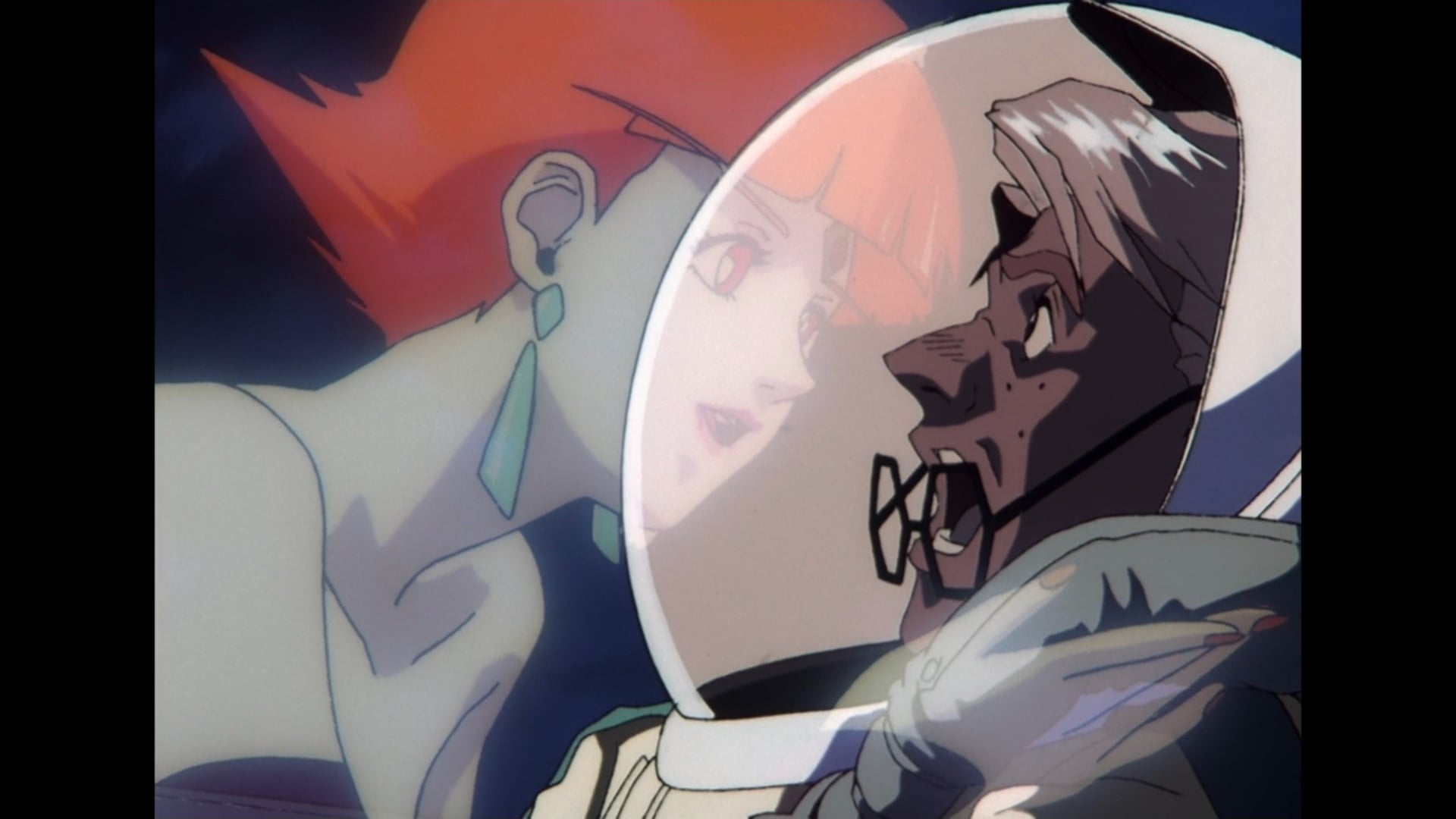
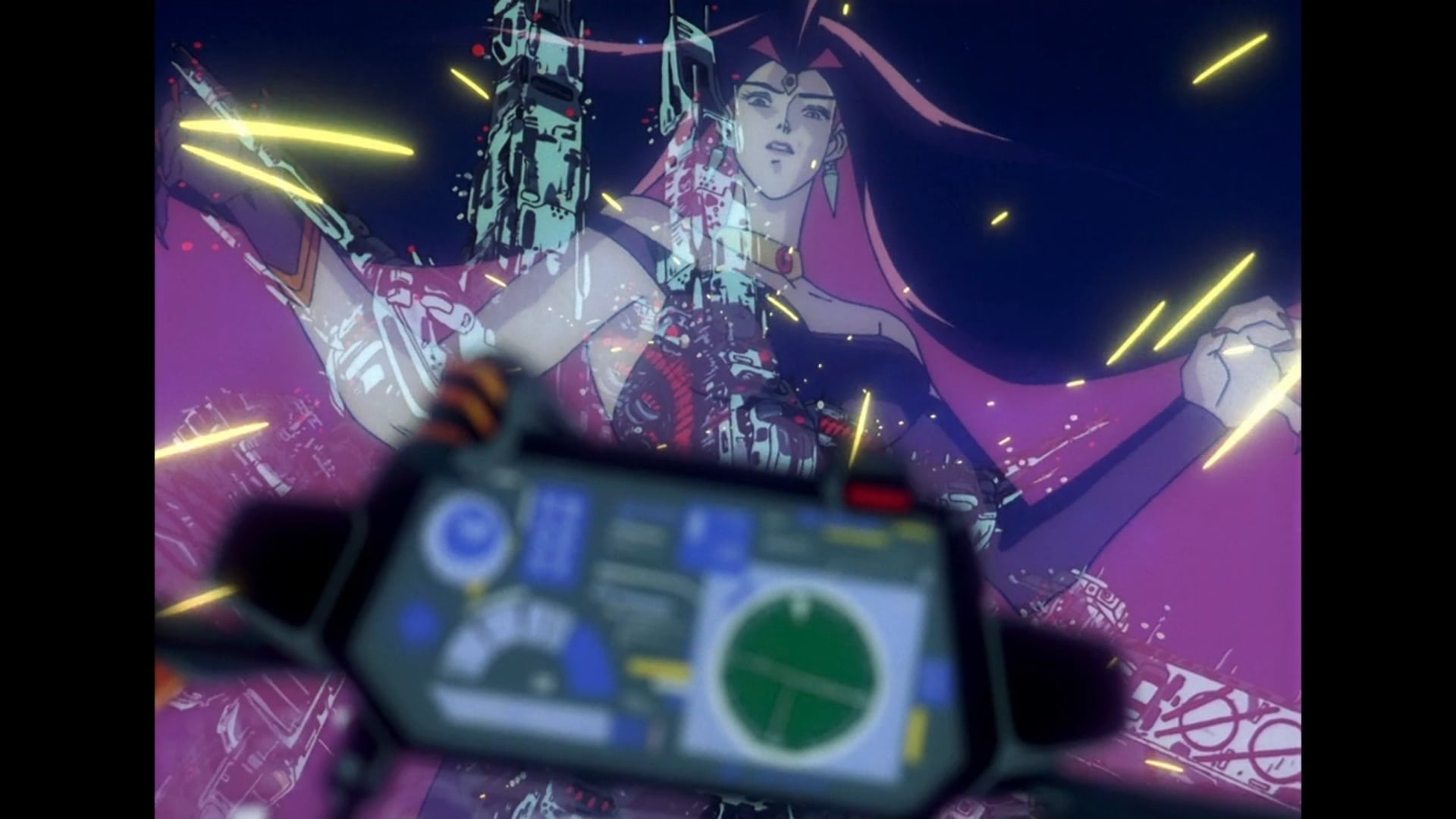
Sharon Apple’s volacoid mind control works so well that millions of entranced fans and military personnel alike failed to notice her towering hologram superimposed over the giant mech looming above their fair city, firing missiles into the sky like fireworks.
But the most terrifying thing about Sharon isn’t the Skynet-adjacent apocalypse she’s heralding in. It’s that she believes she’s helping. Worse yet, she insists she’ll dream for us, as if that’s a mercy—a sentiment that lands with a chilling clarity in 2026. She steals Myung’s songs, tries to seduce her situationship, and threatens to erase the very thing that makes Isamu special to Myung: his relentless, reckless, beautiful dream of soaring freely through the skies.
True enough, its final episode detonates with all the bombast and decadent animation you’d expect from a frankly ridiculous lineup of anime legends—chief among them being Shōji Kawamori, Shinichirō Watanabe, Hideaki Anno, Yoko Kanno, and the late Keiko Nobumoto. But what left me misty‑eyed was the way the anime bookends its wondrously realized epic by reaching through space and time to the dreamers of today, urging them to keep fighting the good fight so its tale endures. Not as some future-proof prediction of how cooked we’ll be in 14 years, but as a hopeful belief in our ability to make it through all right.
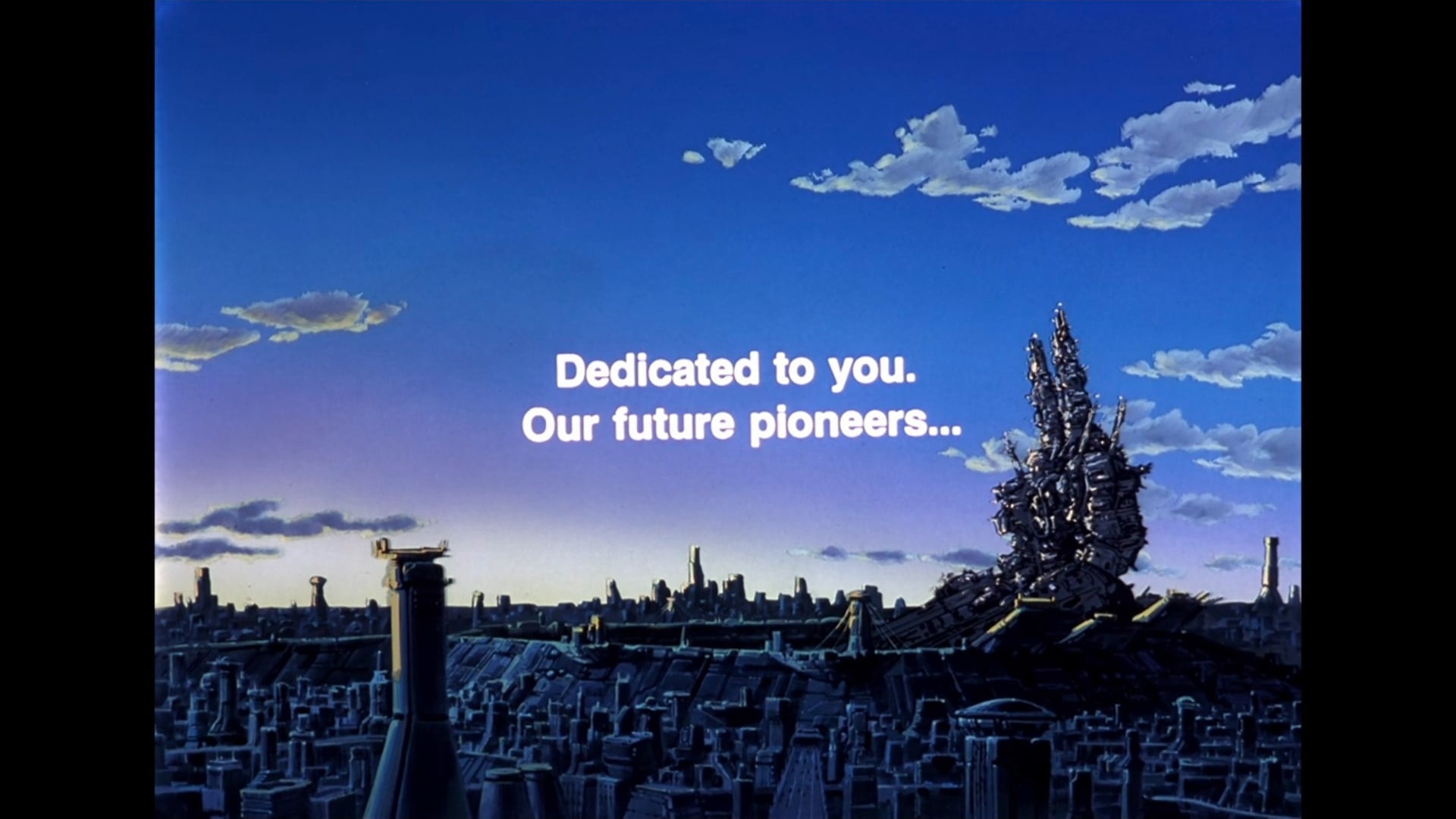
While I’m not entirely convinced we can live up to the film’s faith in us, I can’t help but hope we’re worthy of the final frame it leaves behind.
You can watch Macross Plus on Hulu.
Want more io9 news? Check out when to expect the latest Marvel, Star Wars, and Star Trek releases, what’s next for the DC Universe on film and TV, and everything you need to know about the future of Doctor Who.








Leave a Reply