
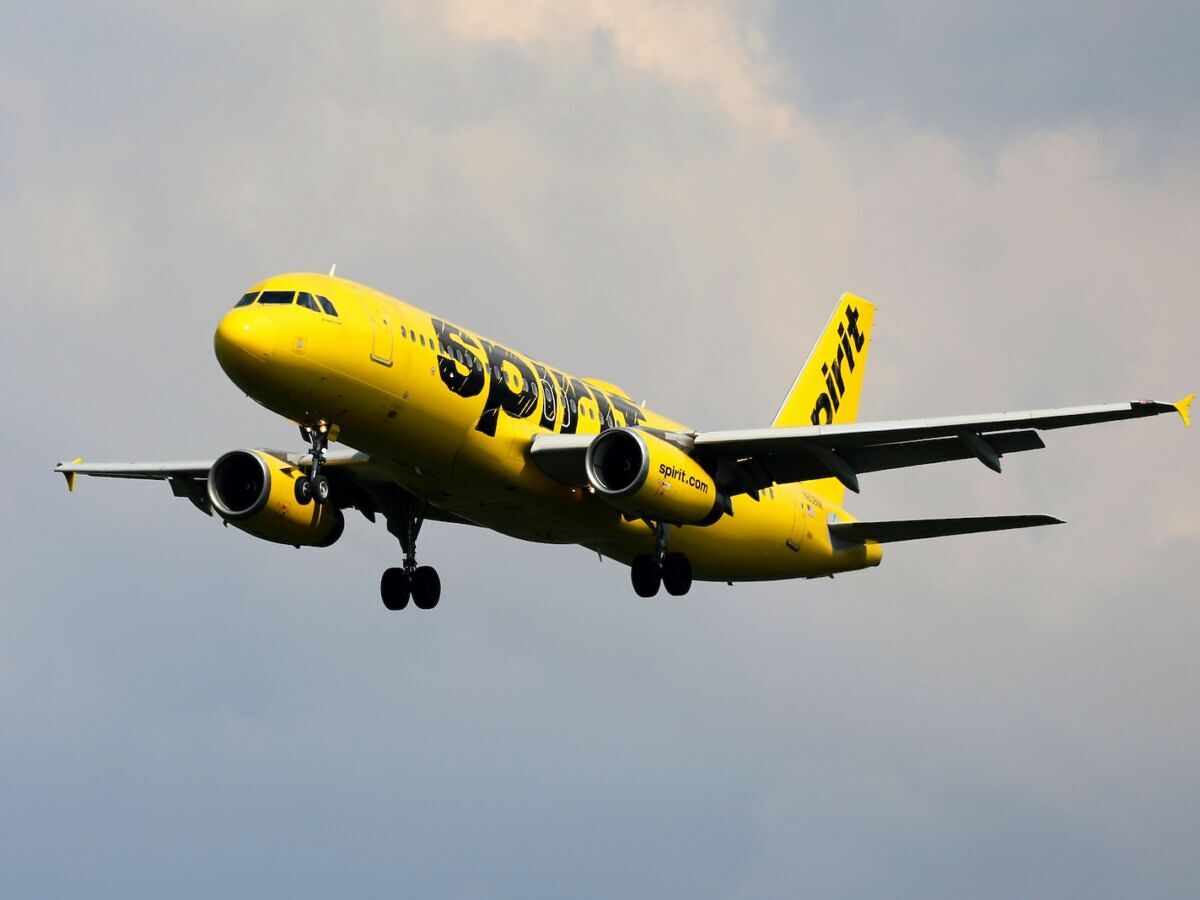
The shutdown comes after two bankruptcies in November 2024 and August 2025, but the start of the problem stretches back years. Airline officials say it’s faced debt and operational difficulties since the start of the COVID-19 pandemic. As of August 2025, reports showed the airline having $8.1 billion in debt and only a fraction more — $8.6 billion — in assets. The final blow came in spring 2026, when jet fuel prices climbed to $4.51 per gallon following the US and Israeli attack on Iran on February 28. Spirit executives had budgeted for $2.24 per gallon in operating expenses.
What happens to customers with reservations?
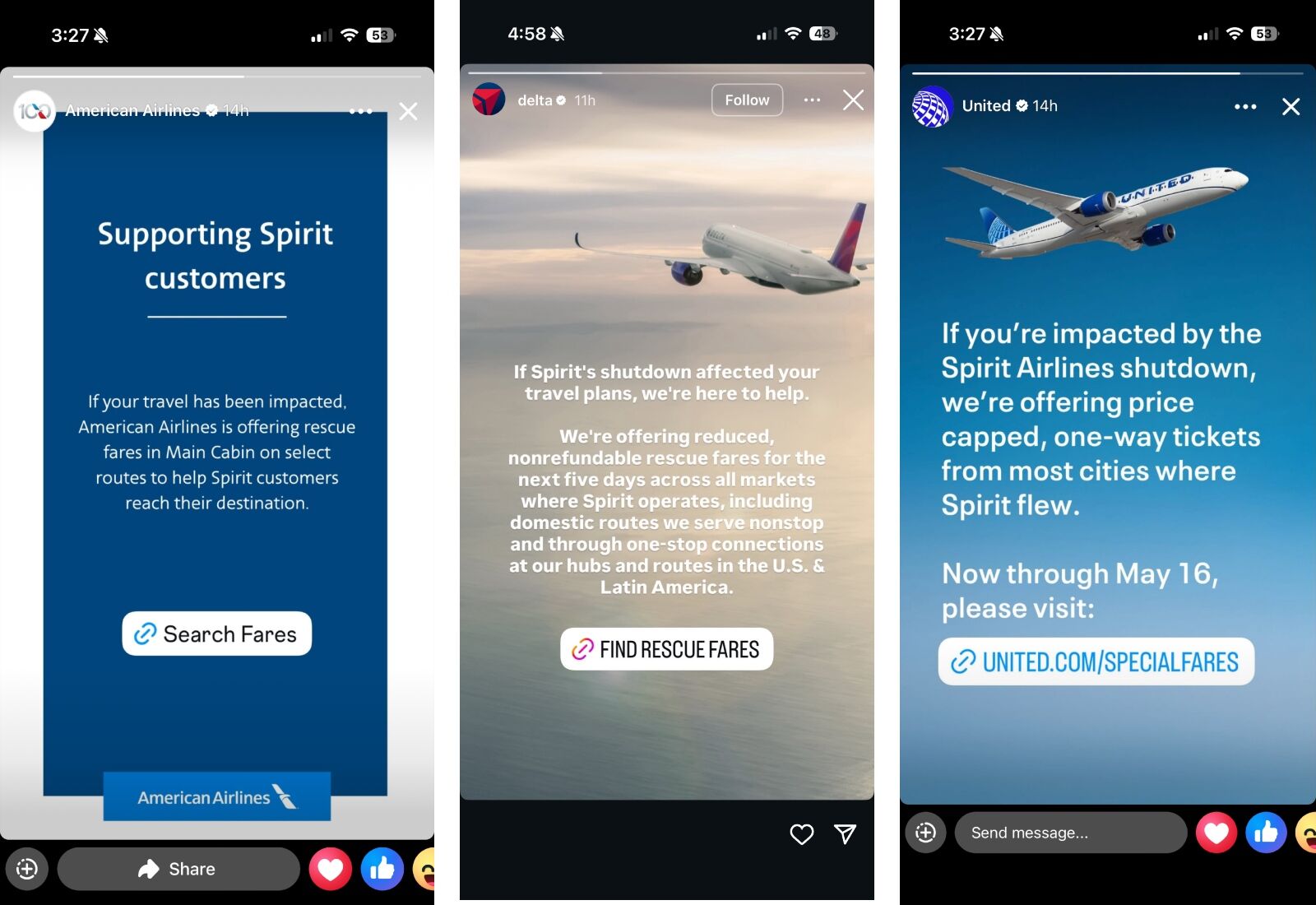
Other airlines offered discounted fares for stranded Spirit customers. Photo: Suzie Dundas
The shutdown put 14,000 employees immediately out of work and left customers actively traveling with Spirit in a state of chaos. Options available to passengers vary based on how they paid. The airline said it would automatically issue refunds to passengers who bought tickets through Spirit with a credit or debit card — but since it has no staff left, it can’t assist with rebooking or finding alternative flights. Customers who bought their tickets using vouchers or airline points are on the hook for funding their own alternate travel plans, as refunds for those won’t come until later in the bankruptcy process, if at all. “Spirit guests should not go to the airport,” advises the Spirit website. “All Spirit flights are cancelled. We are grateful to all our guests who flew with us over the past 34 years.
Other US carriers have offered options to Spirit customers, with major airlines offering tickets to stranded customers “capped around $200,” according to US Transportation Secretary Sean Duffy. Other airlines have also stepped in to claim some of the routes previously dominated by Spirit, beginning with JetBlue, which announced new flights to Fort Lauderdale, Florida — a key airport for Spirit. Longer term, experts have said the decrease in airline competition caused by the loss of the airline could drive fares up by approximately 15 percent on the former airline’s key routes.
Why the government bailout failed
Photo: Forsaken Films/Unsplash
In its final weeks, it seemed like there may be a chance that Spirit could survive. It asked for a $500 million federal bailout from the White House, which asked for 90 percent ownership in exchange. But there were disagreements on both sides about how to make that deal actually happen, with President Trump saying he would only agree if the government could get “a good deal.” Other airlines also declined to make offers to purchase or absorb Spirit.
The Trump Administration blamed the Biden Administration for blocking a proposed merger between Spirit and JetBlue in 2024, though most experts point out that Spirit hasn’t been profitable since 2019. (The merger was blocked as it violated anti-trust laws, and JetBlue later partnered with United in 2025). 










Leave a Reply