

We’ve likely all grumbled about waiting in a long Transportation Security Administration line at the airport or when the person in front of us didn’t know they had to remove their belt and laptop before walking through the scanner.
However, the TSA’s mission is to “protect the nation’s transportation systems to ensure freedom of movement for people and commerce,” according to the TSA website.
These inconveniences may be frustrating in the moment, but the TSA was put in place to protect travelers. While you are standing in line, officers at the security checkpoint often find items that are prohibited in carry-on luggage.
Related: 5 things you should never pack in a checked bag — even though the airlines allow them
The list of items you are not allowed to bring in your carry-on is long, but it is designed to keep travelers and airline personnel safe. By planning and packing properly, you can help expedite the TSA screening process (and keep those long lines moving).
Here are the items you cannot pack in your carry-on.
Flammables
Flammable liquids and other combustible items are not allowed in carry-on baggage for the obvious reason that they could start a fire. This includes items like:
- Aerosol sprays
- Bleach
- Cooking spray
- Lighter fluid
- Pepper spray
- Butane
- Spray paint
- Chlorine
- Alcoholic beverages over 140 proof
Hand grenades, torch lighters, strike-anywhere matches, fireworks, sparklers and pretty much anything else you could purchase from a fireworks stand also fall into this category. Most of these can’t be packed in your checked luggage, either.

Reward your inbox with the TPG Daily newsletter
Join over 700,000 readers for breaking news, in-depth guides and exclusive deals from TPG’s experts
The TSA does allow passengers to bring a standard lighter or safety matches (the kind that you can only strike on a certain surface) on board an aircraft.
Liquids over 3.4 ounces
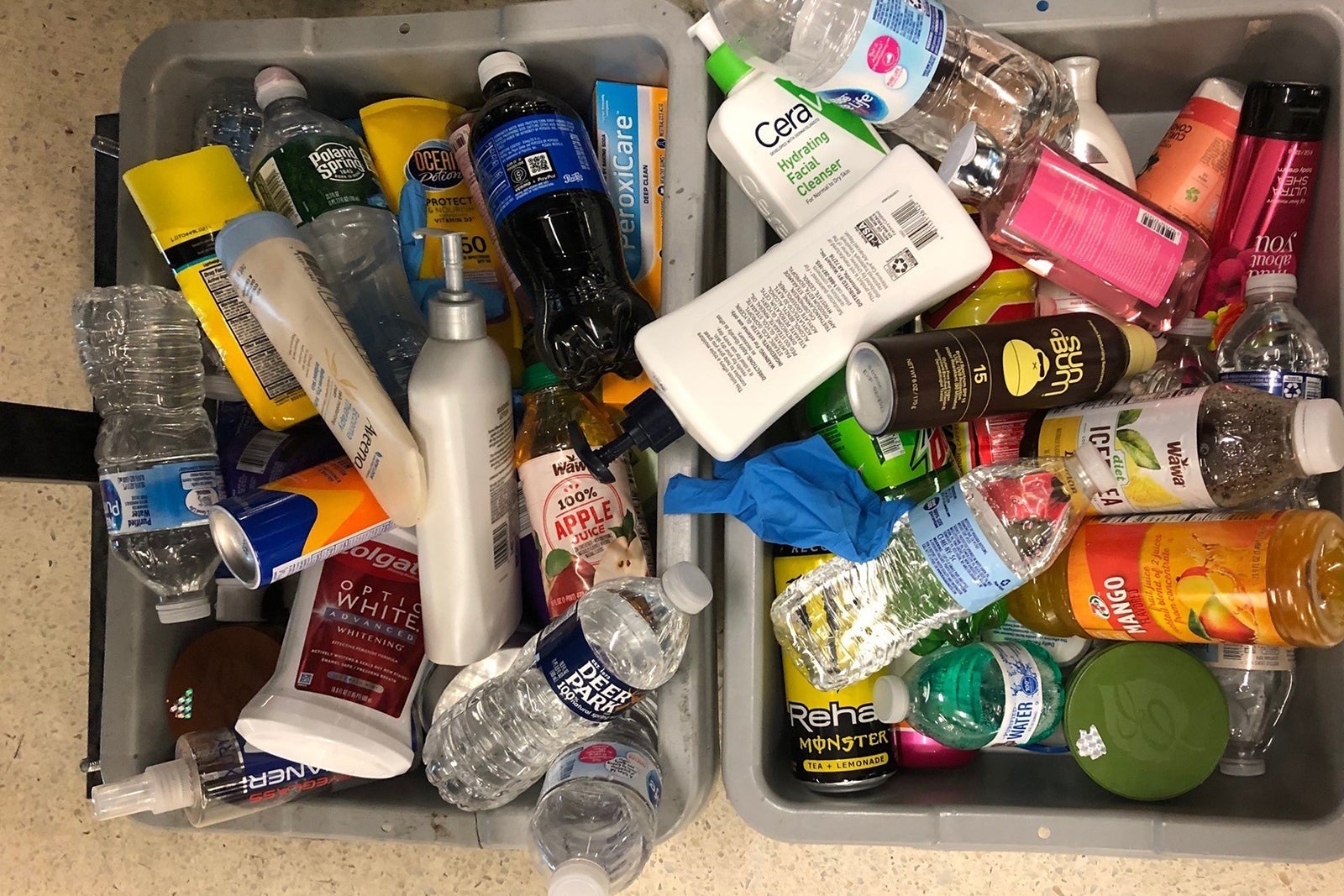
With a few exceptions (which we will get to in a moment), liquids that exceed 3.4 ounces are not allowed in carry-on luggage.
Related: TSA liquids rule: Is it next to go after the shoes policy ended?
In most instances, the TSA uses the 3-1-1 rule regarding liquids in carry-on luggage. Liquids must be stored in a 3.4-ounce or smaller container; those liquids must be placed inside one clear quart-size plastic bag; and each passenger is only allowed one plastic bag.
This rule can be tricky because some items you may not immediately consider liquids are treated as liquids by the TSA. These include things like hair products, gel-type candles or heating pads, creams and foods like peanut butter.
The TSA does make exceptions to the 3.4-ounce liquid rule for medically necessary liquids, including baby food, breast milk, baby formula and liquid medications. These items are allowed in your carry-on bag in “reasonable quantities” based on the length of your trip. You will need to declare them to the TSA officer at the checkpoint and remove them for inspection.
Household items and tools

While you may not use them as weapons at home, there are many household items and tools that could be used as weapons and are, therefore, not allowed in your carry-on bag. These include:
- Cast-iron cookware
- Cooking spray (flammable)
- Screwdrivers longer than 7 inches.
- Hammers
- Nail guns
- Drills and drill bits
- Mallets
Sporting equipment

Like seemingly innocent household items, certain pieces of sporting equipment have been deemed potentially dangerous to bring into the airplane cabin by the TSA. These include:
- Baseball bats
- Cricket bats
- Canoe paddles
- Hiking poles
- Lacrosse sticks
- Hockey sticks
- Bowling pins
- Animal traps or animal repellent spray
- Tent poles and tent stakes
Weapons
With the exception of tweezers, disposable razors, electric razors, scissors and knitting needles, items that could be used as weapons are not allowed in your carry-on bag. These include:
- Knives
- Swords
- Saws
- Brass knuckles
- Nunchucks
- Axes
- Cattle prods
- Self-defense sprays
- Stun guns and tasers
Firearms
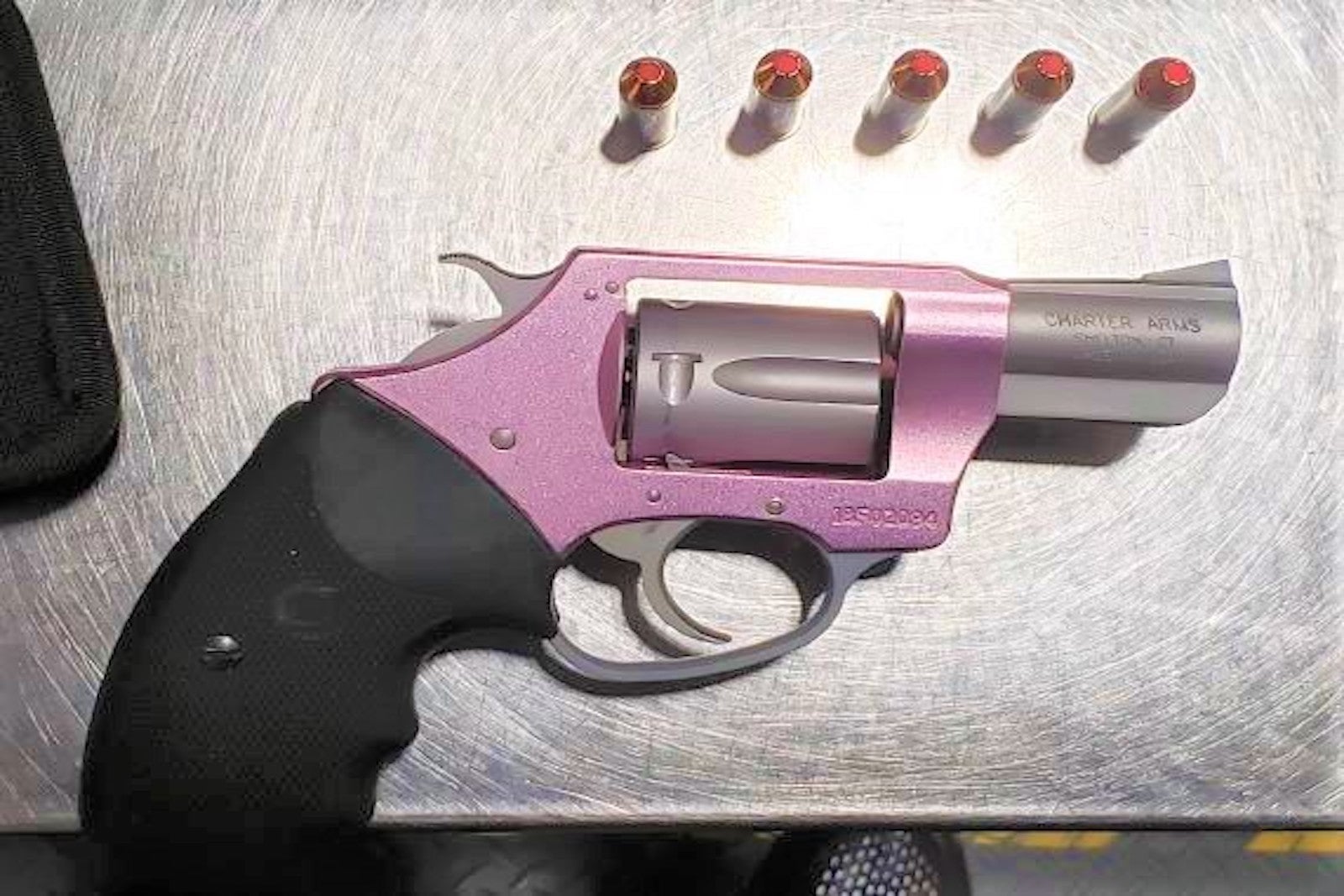
Whether they are loaded or unloaded, firearms — including BB guns and cap guns — are not allowed in carry-on luggage. Ammunition is also banned from carry-on bags.
If you do travel with firearms or ammunition, they must be packed in your checked baggage in compliance with TSA specifications, your airline’s rules and the firearm possession laws in your destination.
Unexpected items
It should be pretty clear at this point that if an item could be used as a weapon or considered a hazardous material, you should not bring it in your carry-on bag. However, there are a few items that don’t exactly fall into either of these categories that are still not allowed in your carry-on.
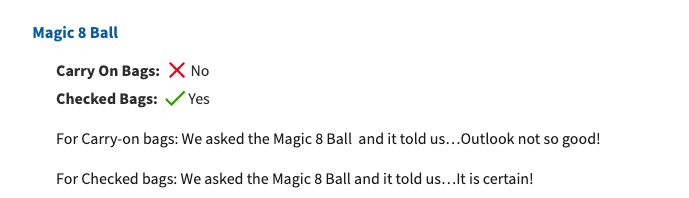
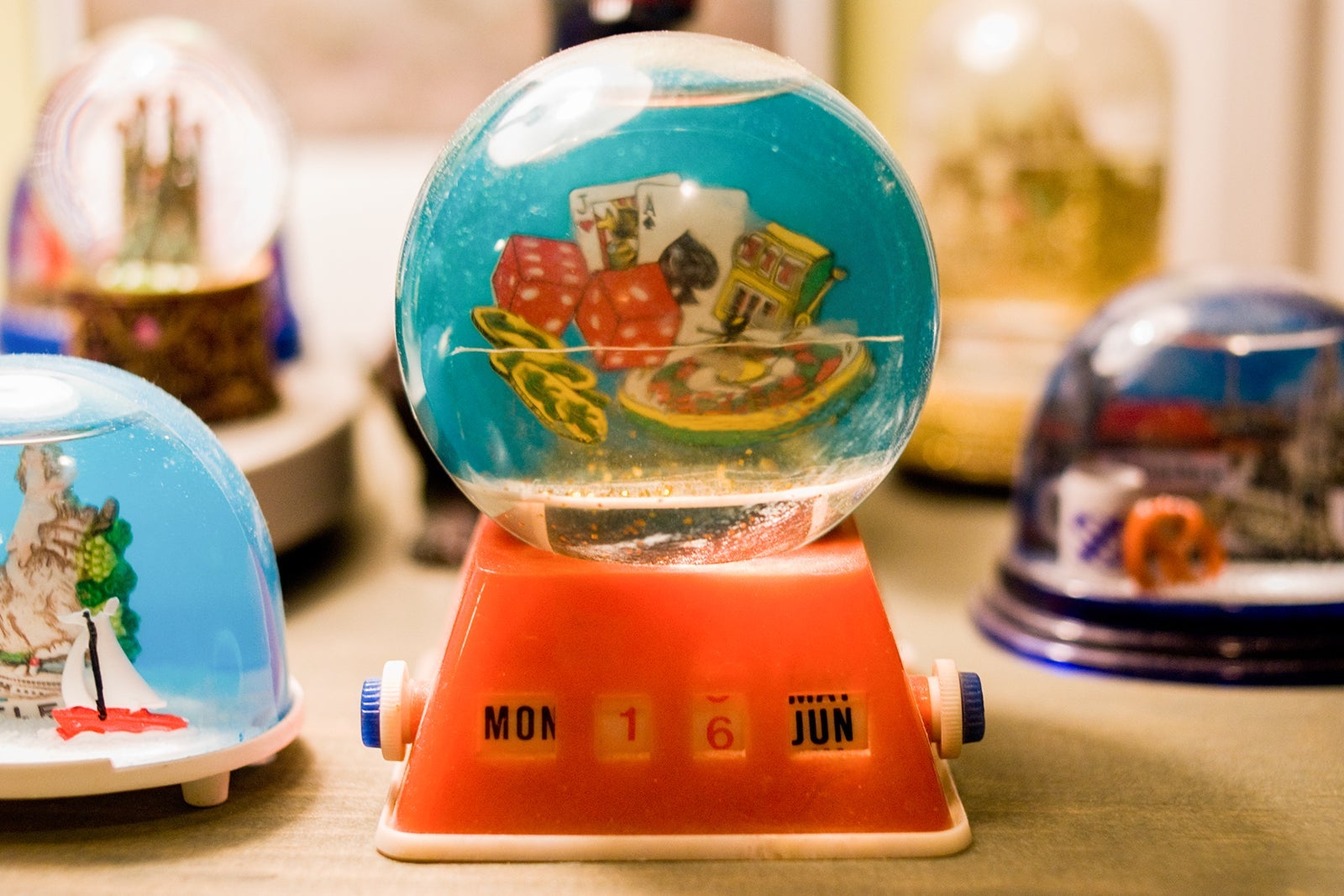
Most snow globes and Magic 8 Ball toys, for example, are not allowed in carry-on luggage because they contain more than 3.4 ounces of liquid. The TSA website clearly states that Magic 8 Ball toys must be stored in checked luggage, but snow globes are allowed if they contain less than 3.4 ounces of liquid and the entire snow globe can fit in your one-quart plastic bag.
Toy guns, swords and knives are also not allowed in carry-on bags. Some toy guns and weapons may be allowed. However, it’s up to the TSA officer’s discretion whether to allow these items in your carry-on luggage, so it’s best to pack them in your checked bag. Realistic replicas of hand grenades or other explosives are not allowed in carry-on or checked baggage.
Bottom line
While most travelers have good intentions, these items are banned from carry-on luggage as a precautionary measure. Some could be used to do harm to others, and some, like flammable liquids or combustible items, could accidentally ignite during a flight, causing a serious danger to those on board.
Bringing prohibited items on board not only causes delays for you and those around you, but it can also constitute a criminal offense, punishable by a hefty fine or jail time.
Related: 4 things the TSA really doesn’t want you to bring on an airplane
If you ever have a question about a specific item, the TSA keeps a nearly exhaustive database of prohibited items on its website and the MyTSA app, or you can text “Travel” to AskTSA (275-872).













Leave a Reply