
Key takeaways:
- Up to 65% of patients report using complementary and alternative medicines for skin conditions.
- Dermatologists should remain transparent, honest and culturally sensitive when discussing these therapies.
The use of complementary and alternative medicines for dermatologic conditions has gained popularity among patients, despite a lack of rigorous data supporting their use, researchers reported.
National surveys indicate an increasing number of Americans are using some form of complementary and alternative medicine (CAM), with a greater than average use observed among women, older adults, nonwhite and immigrant groups, according to a review published in the Journal of Clinical and Aesthetic Dermatology.

Researchers have found that multiple CAM agents can improve dermatologic conditions, including tea tree oil for fungal infections, green tea extract for genital warts and other agents such as garlic-derived ajoene, honey mixtures and podophyllin for other skin conditions, the review reported.
Positive anecdotal reports have driven investigator attempts to assess CAMs through placebo-controlled, double-blind, randomized trials. However, researchers noted many of these studies contain methodological flaws, including poor study blinding or overstating positive findings.
Despite these issues, in vitro and animal models supporting CAMs warrant further investigation in larger, reproducible trials, according to the authors.
Healio spoke with Promise Ufomadu, BSA, a medical student from the Baylor College of Medicine, who led the review about whether dermatologists should consider CAM agents and how researchers should approach this subject.
Healio: In your research, how many people are turning to CAMs to treat dermatologic infections, and which diseases are they most commonly seeking to treat?
Ufomadu: A lot of people are turning to CAMs, my family included. [Research shows] about 35% to 65% of patients use CAMs for their skin conditions. In the U.S., CAM use has increased significantly during the past two decades.
This usage has been seen across different populations — low to high-income people, across ethnic groups, women, men, children and older adults. Most patients who use CAMs rely on them for more chronic skin conditions, like pruritus or conditions that cause itch, such as eczema. People also use CAMs for herpes and fungal infections like ringworm, athlete’s foot and jock itch.
Healio: Is it safe to say that CAM use is growing, and if so, why do you think that is?
Ufomadu: Yes, 100%. There are many reasons, and they are multifactorial. For one, CAMs are products people can afford and access over the counter. You can often find these products in grocery stores, without a prescription most of the time. They are accessible to people who are from underserved backgrounds.
Another reason is the dissatisfaction with conventional treatments. People are wary of adverse events or a complicated regimen when using prescription medications. There is a perception that CAMs are more natural and holistic.
People also have this notion that if something is more natural, it is probably safer, which is not always true. Sometimes, people use these products because they are part of their culture. For example, many people turn to agents from traditional Chinese medicine. From my culture, we use a product called Aboniki Balm for any muscle aches and ailments. Despite this, use of these traditional agents is often overlooked in clinical settings.
Last but not least, and I would say this is a big one, is the role of social media. Many influencers are moving toward holistic trends, and sometimes the wrong agents get advertised. Yet, a lot of that exposure comes from social media and what people see in their feeds.
Healio: In your research, what did you find studies assessing CAMs are lacking?
Ufomadu: There are many studies in this area, and it is important to be transparent about the limitations. These studies tend to overestimate positive findings. For example, if something was found to be effective, the study might not state the significance level. It might state the findings qualitatively to make it look effective to the layperson.
Some studies mask adverse effects.
Some also have high attrition rates and do not account for patients that are lost to follow-up. That ties into the issue of overestimating positive findings. The researchers might only talk about participants who completed the studies. What about the patients who fell through the cracks?
These studies also might not be true randomized controlled trials. When you read through the manuscript, there might be no mention of how people were randomized. Formulations also sometimes include multiple agents. This means you cannot tell if therapeutic efficacy comes from that specific agent. It could come from a mix of other things in the formulation, confounding the findings.
These studies often compare a CAM agent with placebo, but most patients are trying to find out if the CAM agent is effective compared to conventional treatment. It would make more sense to match reality by comparing CAM agents to conventional medications.
Healio: What other types of studies are needed to assess CAMs?
Ufomadu: We need robust studies that address these design flaws. We need studies that compare CAM agents with standard or conventional agents.
In the methodology, we want to move toward integrated medicine. We are not trying to say a CAM agent is better than a conventional agent. These are agents that could serve as good supplemental conventional treatments.
I also would like to see independently funded studies or third-party studies without any type of manufacturer sponsorship, with an integrated and robust design as a randomized clinical trial. Any study should also be transparent about attrition and any biases.
Healio: How should dermatologists be discussing the use of CAMs with their patients?
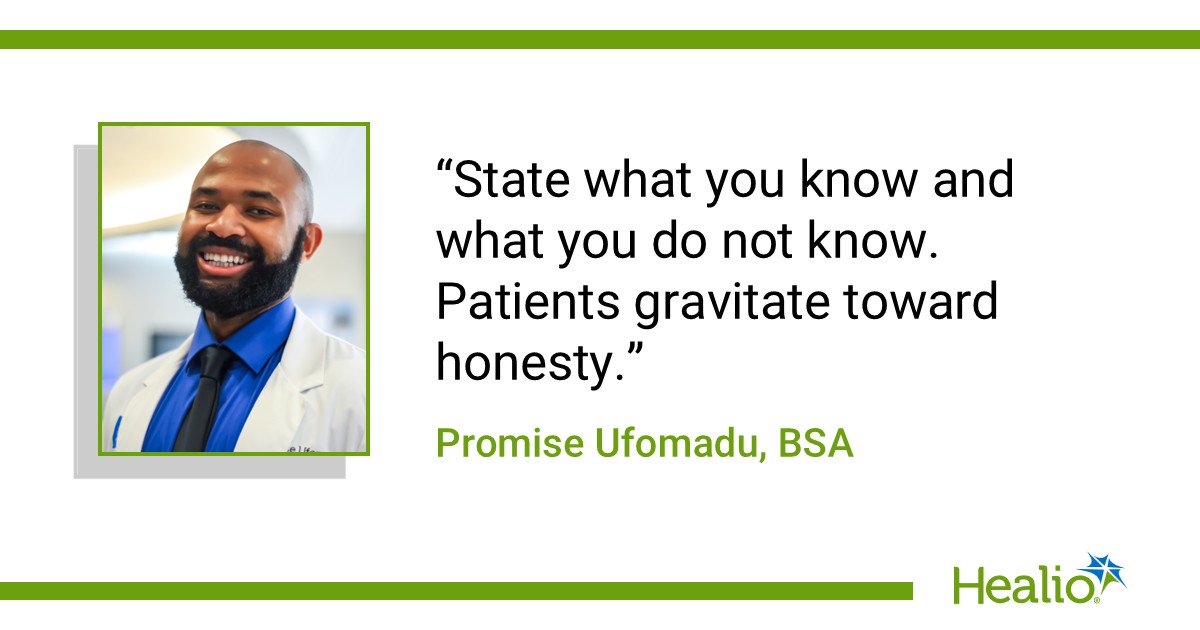
Ufomadu: This is a unique opportunity for clinicians. We want to start with transparency. State what you know and what you do not know. Patients gravitate toward honesty. Create a space where you can be transparent as a health care professional. Letting your patients know what you know can help open that conversation.
To address what you do not know, seek out more information about what your patients are interested in. This helps build rapport. Look through published reviews or studies on CAM agents, considering any adverse effects.
Consider resources like the Journal of Integrative Dermatology or Integrative Dermatology Symposium conferences that happen throughout the year. Those are ways to get connected and stay plugged in to integrative derm.
This is still an area of dermatology that is growing rapidly. You are going to have a lot of patients coming to you for more knowledge about CAMs. With that, always prioritize safety and advise stopping the agent immediately if there are any adverse effects.
Healio: How can a dermatologist practice cultural humility when discussing CAM use?
Ufomadu: This is so important because patients sometimes feel judged and are reluctant to bring up CAM use. They will not bring it up out of shame. That is why it is important to have a collaborative and nonjudgmental space that can allow a patient to feel comfortable.
For more information:
Promise Ufomadu, BSA, is a medical student from the Baylor College of Medicine. Ufomadu can be reached on Instagram: @tencils; LinkedIn: Promise Ufomadu.
Sources/Disclosures
Source:
Healio Interviews
References:
Disclosures:
Ufomadu reports no relevant financial disclosures.

Ask a clinical question and tap into Healio AI’s knowledge base.
- PubMed, enrolling/recruiting trials, guidelines
- Clinical Guidance, Healio CME, FDA news
- Healio’s exclusive daily news coverage of clinical data
<









Leave a Reply