
February 02, 2026
2 min read

Key takeaways:
- Tariffs and other trade policies are raising vision care costs and limiting access to care.
- The Vision Council and other industry representatives urge changes.
Representatives from the Vision Council and allied stakeholders have raised concerns about how current tariff and trade policies are affecting access to affordable vision care.
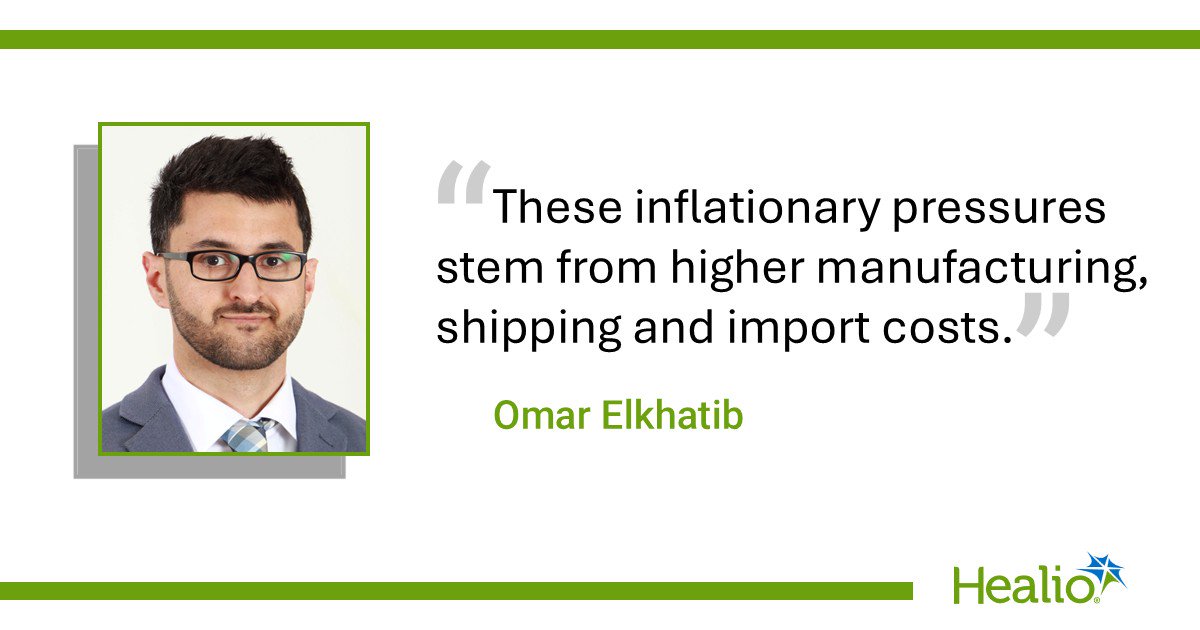
“We’re seeing clear evidence that rising trade-related costs are affecting both businesses and consumers,” Omar Elkhatib, senior manager of government relations at the Vision Council, told Healio. “While overall revenue in parts of the vision industry has remained stable or increased, unit sales are down, an indication that higher costs are being passed along rather than driven by increased demand.”

According to Elkhatib, “these inflationary pressures stem from higher manufacturing, shipping and import costs tied to current trade policies.”
In a press release, the Vision Council said its representatives recently spoke with the Energy and Commerce Health Subcommittee, which oversees programs affecting access to vision care, and 11 congressional offices. The organization was joined by independent optometric alliance groups and eye wear manufacturers.
Industry representatives highlighted difficulties faced by small and mid-sized optical companies as they develop onshore manufacturing, including ongoing tariffs, limited access to raw materials, and high labor and regulatory costs.
Even small increases in out-of-pocket costs can discourage the more than 70% of Americans who depend on prescription eye wear from making timely care visits, according to the release.

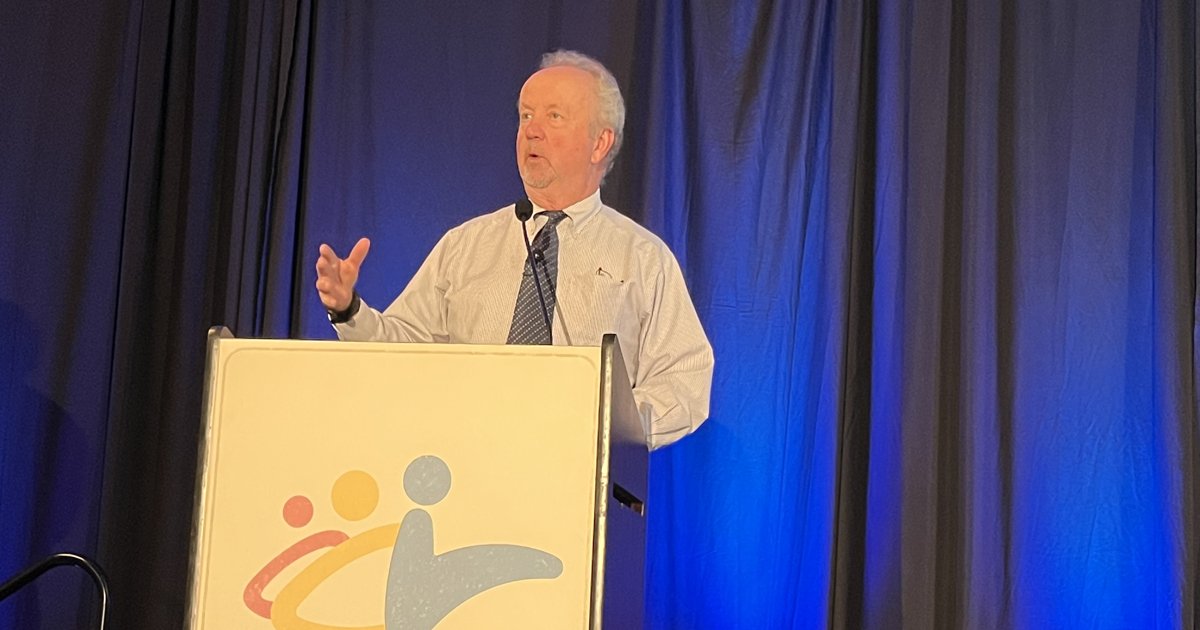
Ashley Mills
“Our members want to invest, innovate and grow here in the United States,” Ashley Mills, CEO of the Vision Council, said in the release. “With the right policy alignment, we can protect patient access, support independent practices and strengthen the domestic optical industry without placing additional burdens on families and taxpayers.”
The groups asked lawmakers to align trade policy with public health needs and called for strengthened coordination between federal agencies and tariff relief for low-risk optical medical devices, according to the release.
They also introduced upcoming advocacy efforts, including legislation focused on reducing prescription eye wear costs.
Elkhatib called the meetings “very constructive” and said the groups “found meaningful interest and support among policymakers.”
“While immediate tariff relief remains challenging, we believe it may become more feasible following the midterm elections, particularly as the broader trade landscape continues to evolve,” Elkhatib said. “In the meantime, we plan to continue engaging with federal agencies such as CMS, the Small Business Administration and the Department of Commerce to pursue practical and attainable forms of relief for our members.”
Sources/Disclosures
Source:
Press Release
Disclosures:
Elkhatib reports being senior manager of government relations at the Vision Council.

Ask a clinical question and tap into Healio AI’s knowledge base.
- PubMed, enrolling/recruiting trials, guidelines
- Clinical Guidance, Healio CME, FDA news
- Healio’s exclusive daily news coverage of clinical data
<












Leave a Reply