
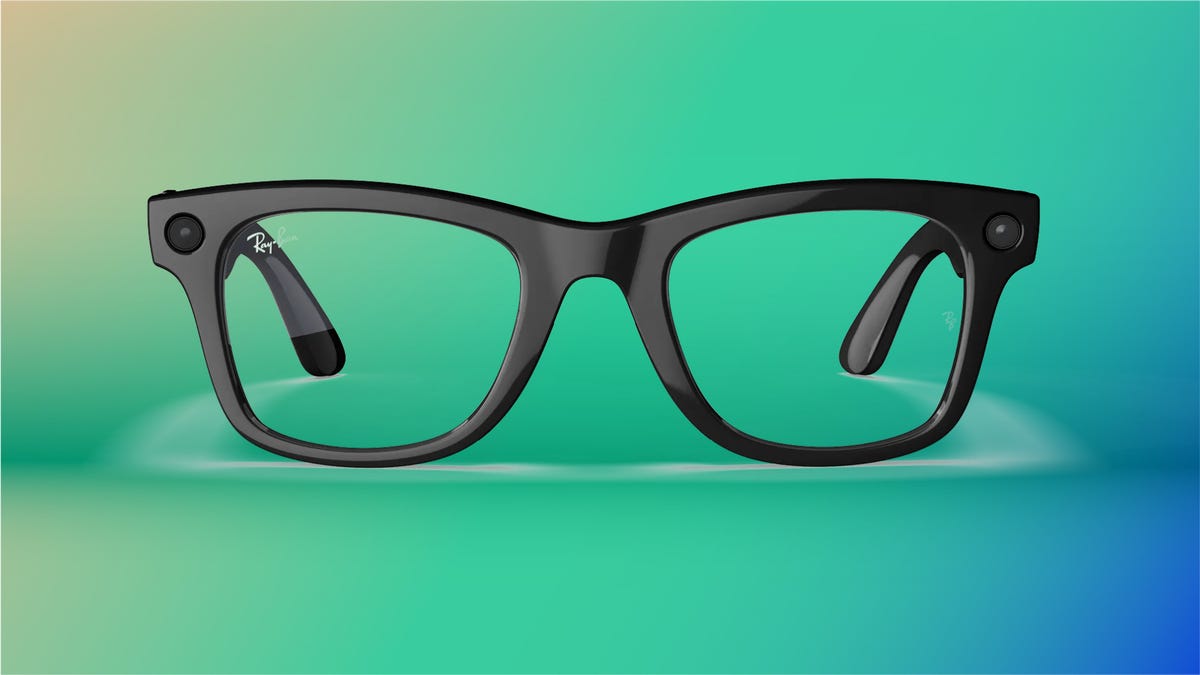
Meta CEO Mark Zuckerberg used the company’s first-quarter earnings call on Wednesday to detail his plans to continue investing in AI, including integrating personal AI agents in Meta’s popular smart glasses.
Zuckerberg has long championed a future vision of “personal superintelligence,” which is the idea that AI will be used for “personal empowerment,” as Zuckerberg wrote in a blog post in July 2025.
“My view of AI is very different from many others in the industry,” Zuckerberg said during the earnings call, and repeated in a Facebook post Wednesday afternoon. “I hear a lot of people out there talk about how AI is going to replace people. Instead, I think that AI is going to amplify people’s ability to do what you want, whether that’s to improve your health, your learning, your relationships, your ability to achieve your personal career goals, and more.”
This is not dramatically different from other tech leaders’ view of AI, but it does highlight a key difference: AI from companies like Anthropic, Google and even Microsoft is for your work life. Meta — with social media platforms Facebook, Instagram and Threads — is for your personal life.
That would be fine, except the AI industry has been changing direction this year to focus on building tools for enterprise work and businesses, like Claude Code and Codex. So if Meta is going to primarily focus on the consumer side of AI (though not entirely, since developer tools are important, Zuckerberg acknowledged), there have to be other ways to use Meta AI.
That’s where products like smart glasses come into play.
“All of our glasses are designed to easily update to use our newest AI models and features,” Zuckerberg said. “I’m also really excited to see the glasses evolve from being able to answer questions to being able to be a personal agent that’s with you all day long, helping you remember things and achieve your goals beyond glasses.”
Meta’s focus on building agents comes as many AI companies are working on building autonomous AI tech.
Meta Muse Spark, the company’s latest model, is the first major product launch from its frontier AI lab led by Alexandr Wang and proves the company “is on track to build a leading lab,” Zuckerberg said. But competitors like Google, OpenAI and Anthropic already have those labs and have been growing their model capabilities and customer bases.
The Muse Spark model is the first step toward that future personal agent, the company said. And because it’s Meta, which has built its tech empire on e-commerce, shopping will be part of that vision.
“I don’t hear any other labs out there talking about how they’re building an AI that’s really good at shopping,” Zuckerberg said. Shopping isn’t the most important thing, he said, but it’s about a difference in philosophy around the purpose of AI.
Meta is about “empowering people to do the things that matter in their lives, whether understanding social context or shopping or personal health things, or understanding what’s going on around them visually…these are all elements of the personal super intelligence vision.”
Meta has had a chaotic first quarter of the year: It killed and barely revived its Metaverse app, which the company renamed itself for back in 2021. Its smart glasses sparked major backlash amid concerns that Meta’s third-party contractors can view sensitive information, including nudity and bank records. Meta also lost two major lawsuits around child safety, which could result in a “material loss,” the company said on the call. Reports of upcoming massive layoffs aren’t helping.
While Meta beat expectations on revenue, declines in user growth had the company’s stock price dropping on Wednesday evening. Meta said internet outages in Iran were partially responsible during the conflict with the US and Israel, along with a ban on WhatsApp in Russia.
For 2026, Meta increased its overall capital expenditure forecast to between $125 billion and $145 billion, up from the previous ceiling of $135 billion, which Zuckerberg partially attributed to “higher component costs, particularly memory pricing,” referencing the global RAM shortage caused by the high memory needs of AI datacenters.
Wall Street investors have had their eyes on Meta’s report, as analysts use the financial health of the so-called Magnificent Seven — the biggest tech companies — as a litmus test for AI spending and the health of the global economy. Also reporting its earnings on Wednesday afternoon were Amazon, Alphabet and Microsoft.










Leave a Reply