
April 30, 2026
3 min read
Key takeaways:
- Participants who used AI had greater confidence in their understanding of skin conditions vs. those who did not use AI.
- AI also helped participants make correct dermatologic diagnoses.
When it comes to identifying skin conditions, AI may increase a patient’s accuracy and confidence, according to a study published in JAMA Dermatology.
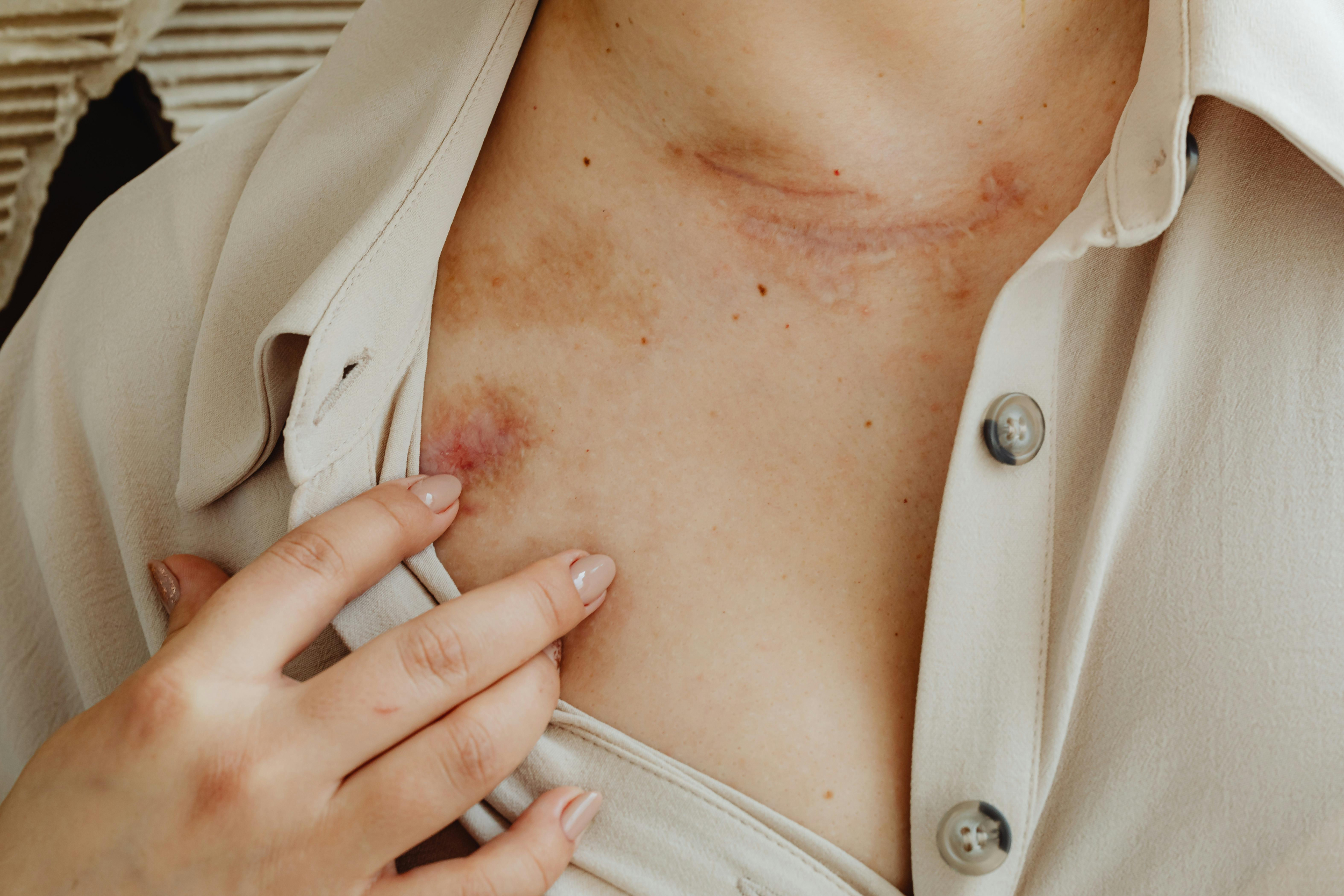
Long wait times, limited access to care and financial barriers drive many dermatology patients to seek advice online, Rory Sayres, PhD, a research scientist at Google, and colleagues wrote in the study background. Patients can now upload images of their skin condition to AI programs using their smartphones for more personalized and streamlined medical advice, Sayres said.

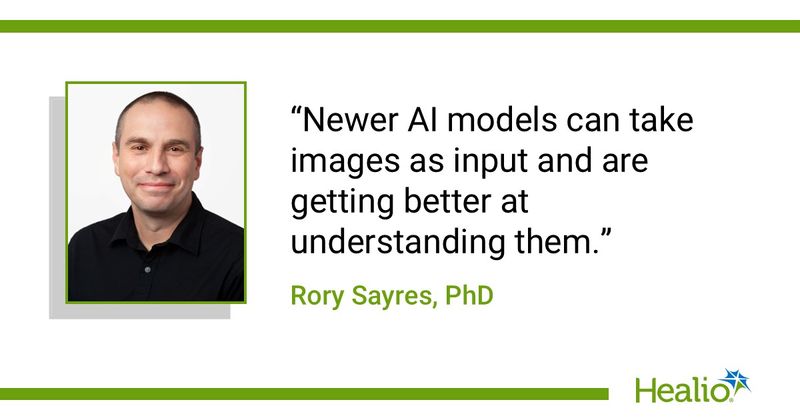
“There is a growing multimodal ability with AI. Newer AI models can take images as input and are getting better at understanding them,” Sayres told Healio. “This is especially important in dermatology, where a picture is crucial. Without this ability to share an image, people often struggle to find the words to describe what is going on.”
Although AI can be helpful, it carries the risk of delivering an incorrect diagnosis. In this study, Sayres and colleagues investigated whether using an AI-powered dermatology application was associated with patients correctly understanding skin conditions.
Researchers issued a survey on skin disease knowledge to 2,345 participants who reported searching for information on skin conditions. Researchers randomly split participants into three groups where they were shown retrospective patient case vignettes. Participants in the control group could only view case patient details and use external resources they had previously consulted for any research. Participants in the prototype AI test group could view AI-produced matching conditions. Those in a group referred to by researchers as the “Wizard of Oz” test group viewed the same prototype AI interface but with differential diagnoses coming from dermatologists. After viewing the vignettes, each participant was asked to report their confidence in identifying the condition, as well as a few diagnoses and recommendations for next treatment steps.
“In the control group, they would see these vignettes, and we would tell them, whatever methods you used in the past, try using them here,” Sayres said. “When people in the AI group saw the vignettes, they would also see predictions from an AI model with a set of three to seven matching cards with conditions they could click on to learn more. In the Wizard of Oz group, they saw the same interface, but with one difference: What were presented as AI predictions in this group actually came from a panel of dermatologists. They were the same as the ground truth we used to evaluate answers, so all the predictions were 100% correct in this group.”
Investigators found that participants in the AI (62.26%; 95% CI, 60.75%-63.76%) and Wizard of Oz (61.76%; 95% CI, 60.21%-63.28%) groups were more willing to name the condition presented to them compared with the control group (41.21%; 95% CI, 39.66%-42.76%).
The participants in the Wizard of Oz group had the highest rate of diagnostic accuracy (36.2%; 95% CI, 34.7%-37.73%; P = .002) followed by AI (22.79%; 95% CI, 21.48%-24.09%; P < .001) and controls (7.86%; 95% CI, 7.03%-8.71%).
The Wizard of Oz group also had the highest next-step accuracy rate (62.95%; 95% CI, 61.42%-64.44%; P < .001). The AI group had the lowest next-step accuracy rate at 58.87% (95% CI, 57.34%-60.4%) compared with the control group (60.10%; 95% CI, 58.55%-61.65%).
“This told us that the accuracy of the AI model matters,” Sayres said. “The AI was really accurate on this set of vignettes, but if you could increase it to 100%, like we did with the Wizard of Oz method, you might see more benefits, including this benefit in potentially managing a condition more in line with how a physician might.”
According to Sayres, this study is a good first step in understanding how people can medically use AI and how it impacts their decision-making.
“Our results suggest we can start to see some effects of using AI that may move it in a more positive direction, so people seek care when it is not something that can be managed at home,” Sayres told Healio. “Since we saw a significant increase in naming accurate matching conditions, it may also help people have better conversations with their primary care physician or other health care professional, having a better sense of the set of possibilities going into their appointment.”
For more information:
Rory Sayres, PhD, can be reached at sayres@google.com.

Ask a clinical question and tap into Healio AI’s knowledge base.
- PubMed, enrolling/recruiting trials, guidelines
- Clinical Guidance, Healio CME, FDA news
- Healio’s exclusive daily news coverage of clinical data
<








Leave a Reply