
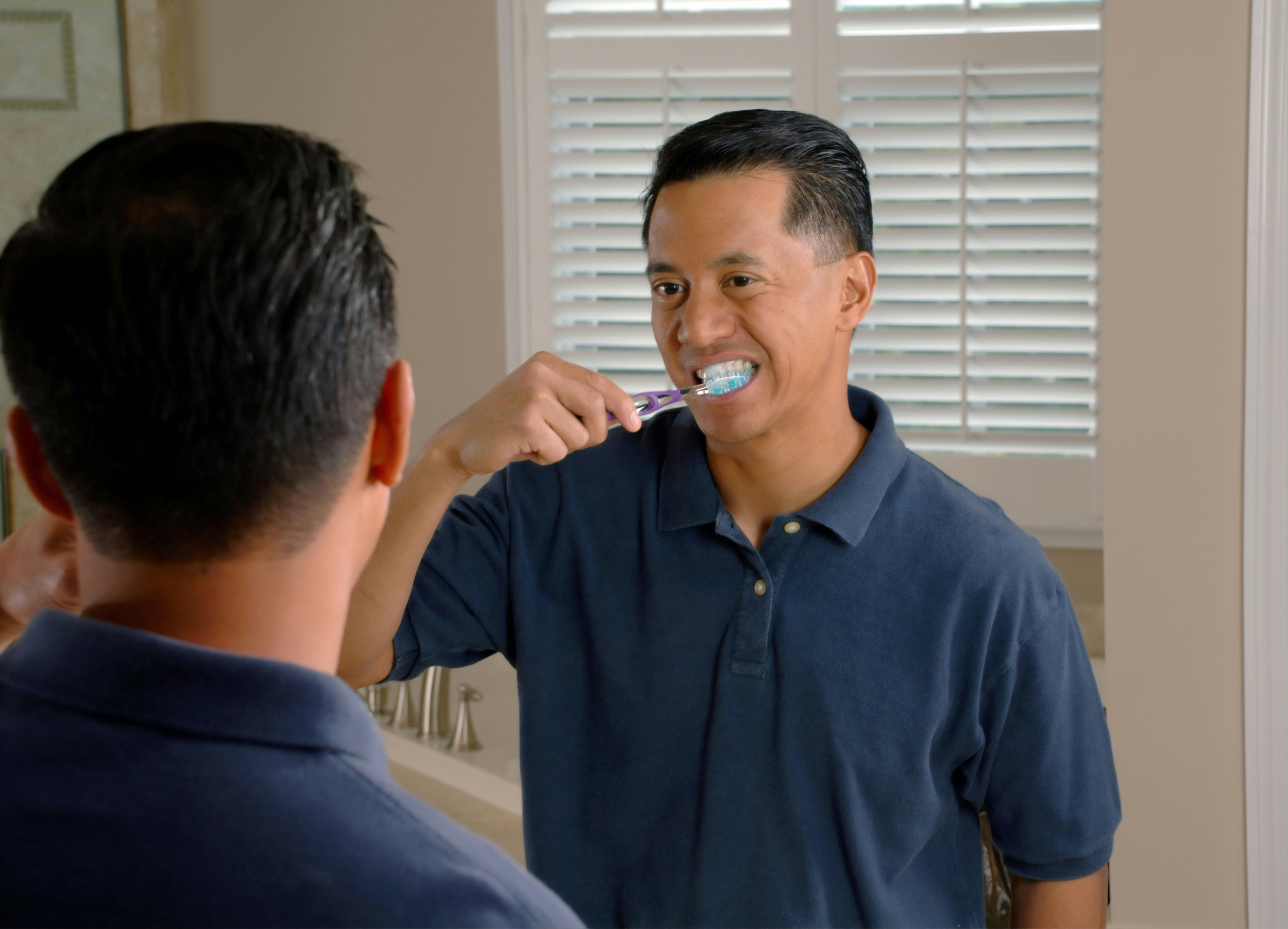
Good oral hygiene starts with mastering how to brush teeth the right way. It’s not just about scrubbing quickly—it’s about using the proper tooth brushing technique to remove plaque effectively while protecting your enamel and gums. When done correctly, brushing twice daily for two minutes can significantly reduce the risk of cavities, gum disease, and bad breath.
Many people brush daily but still struggle with dental issues because their technique or tools are off. Choosing the right soft-bristled brush, applying fluoride toothpaste, and following a structured routine all contribute to healthier teeth. With a few small adjustments, your daily dental care routine can become far more effective and long-lasting.
Essential Tools for Proper Tooth Brushing
Choosing the right tools is key to how to brush teeth effectively and maintain good oral hygiene. A soft-bristled toothbrush is ideal because it cleans well without damaging enamel or irritating gums. Hard bristles may seem stronger but can lead to gum recession over time. Both manual and electric brushes work, though electric models can improve plaque removal with steady motion. Replacing your toothbrush every three months helps keep your dental care routine effective.
Fluoride toothpaste is essential for healthy teeth and proper tooth brushing technique. It helps strengthen enamel, prevent cavities, and support remineralization. Most dentists recommend around 1450 ppm fluoride for adults, using only a pea-sized amount. According to the American Dental Association, consistent use of fluoride toothpaste plays a major role in reducing tooth decay and maintaining oral health.
Accessories can make your brushing routine more consistent and precise. Timers or apps help you reach the full two minutes, while brushing in sections ensures even coverage. Disclosure tablets can reveal missed plaque, helping improve technique. These simple tools enhance oral hygiene and make dental care habits more effective over time.
Tooth Brushing Technique: Bass Method and Modified Stillman
Mastering the right tooth brushing technique is key to removing plaque and protecting gum health. The Bass method is commonly recommended because it focuses on the gumline, where bacteria build up. It involves holding the brush at a 45-degree angle and using small, gentle vibrations to clean just below the gums. The Modified Stillman technique adds a light sweeping motion to massage the gums, helping improve circulation while supporting overall oral hygiene.
According to the Mayo Clinic, using proper brushing angles and gentle pressure helps prevent gum damage while improving plaque removal. Their guidance also highlights the importance of brushing all tooth surfaces evenly. This makes technique just as important as consistency when aiming for healthy teeth and effective dental care.
Pressure control and full coverage complete the process of how to brush teeth properly. Use light pressure—similar to holding a pen—to avoid enamel wear and gum irritation, and watch for whitening gums as a sign of overbrushing. Make sure to clean all surfaces: outer, inner, and chewing areas, dividing your mouth into sections for balance. Paying extra attention to molars and tight spaces helps improve oral hygiene and ensures no plaque is left behind.
Step-by-Step Guide to Proper Teeth Brushing Technique
A proper step-by-step approach can make a big difference in how to brush teeth effectively and maintain strong oral hygiene. According to the Centers for Disease Control and Prevention, brushing twice daily with fluoride toothpaste and proper technique significantly reduces plaque and helps prevent gum disease and tooth decay. Following a structured routine ensures better plaque removal, healthier gums, and long-term dental care.
Step 1: Preparation (30 seconds)
Start by wetting your soft-bristled brush and applying a pea-sized amount of fluoride toothpaste. Keep your mouth slightly open and maintain a relaxed jaw position for better visibility and control. Proper preparation sets the stage for effective tooth brushing and overall oral hygiene.
Step 2: Outer Surfaces – Bass Method (45 seconds)
Hold the brush at a 45-degree angle where the teeth meet the gums. Use short, gentle strokes across 2–3 teeth at a time, allowing the bristles to clean along the gumline. This method improves plaque removal and supports healthy teeth by targeting bacteria buildup.
Step 3: Inner Surfaces – Vertical Penetration (45 seconds)
Tilt the brush vertically for inner surfaces, especially the front teeth. Use up-and-down strokes to reach tight spaces while maintaining gentle pressure. This step ensures thorough dental care in areas often missed during brushing.
Step 4: Occlusal Chewing Surfaces (20 seconds)
Use a back-and-forth motion on chewing surfaces to clean pits and fissures. These areas trap food easily, making them prone to decay. Proper tooth brushing technique here is key for preventing cavities.
Step 5: Final Gingival Massage and Rinse (20 seconds)
Finish with a gentle sweeping motion along the gums to stimulate circulation. Spit out excess toothpaste but avoid rinsing immediately to allow fluoride to remain on your teeth for added protection.
Healthy Teeth Maintenance Beyond Brushing Technique
Brushing alone isn’t enough to maintain healthy teeth and complete oral hygiene. Interdental cleaning—like flossing, interdental brushes, or water flossers—helps remove plaque from areas your toothbrush can’t reach, improving gum health and overall dental care. Tongue scraping is also useful for removing bacteria that cause bad breath, making your routine more effective.
Daily habits and timing also matter. Waiting at least 30 minutes after eating acidic foods before brushing helps protect enamel, while sugar-free gum or xylitol mints can boost saliva and naturally clean teeth. Brushing twice a day, morning and night, helps control bacterial buildup, and regular dental checkups every six months support long-term oral hygiene.
Build a Complete Oral Hygiene Routine for Stronger Teeth
A strong routine combines proper tooth brushing technique with the right tools and habits. Using the Bass method, fluoride toothpaste, and a soft-bristled brush ensures effective plaque removal while protecting enamel. Adding flossing, tongue cleaning, and regular dental visits completes the system.
Consistency matters more than intensity. Gentle, thorough brushing done daily will always outperform rushed or aggressive habits. By following a structured approach, you can maintain healthy teeth, reduce dental problems, and keep your smile in top shape for years.
Frequently Asked Questions
1. How long should I brush my teeth?
You should brush your teeth for at least two minutes each time. This ensures that all areas of your mouth receive proper attention. Dividing your mouth into quadrants helps manage time effectively. Using a timer or electric toothbrush can make this easier.
2. Is an electric toothbrush better than a manual one?
Electric toothbrushes can be more effective at plaque removal due to consistent motion. However, a manual brush works just as well when used correctly. The key factor is your tooth brushing technique. Choose the option you’re most comfortable using consistently.
3. Should I rinse my mouth after brushing?
It’s better to avoid rinsing immediately after brushing. This allows fluoride from the toothpaste to remain on your teeth longer. Fluoride strengthens enamel and protects against decay. If needed, use only a small amount of water.
4. How often should I replace my toothbrush?
You should replace your toothbrush every three months. Worn bristles are less effective at cleaning teeth. If the bristles become frayed earlier, replace it sooner. A fresh brush supports better oral hygiene and healthier teeth.
<















Leave a Reply