
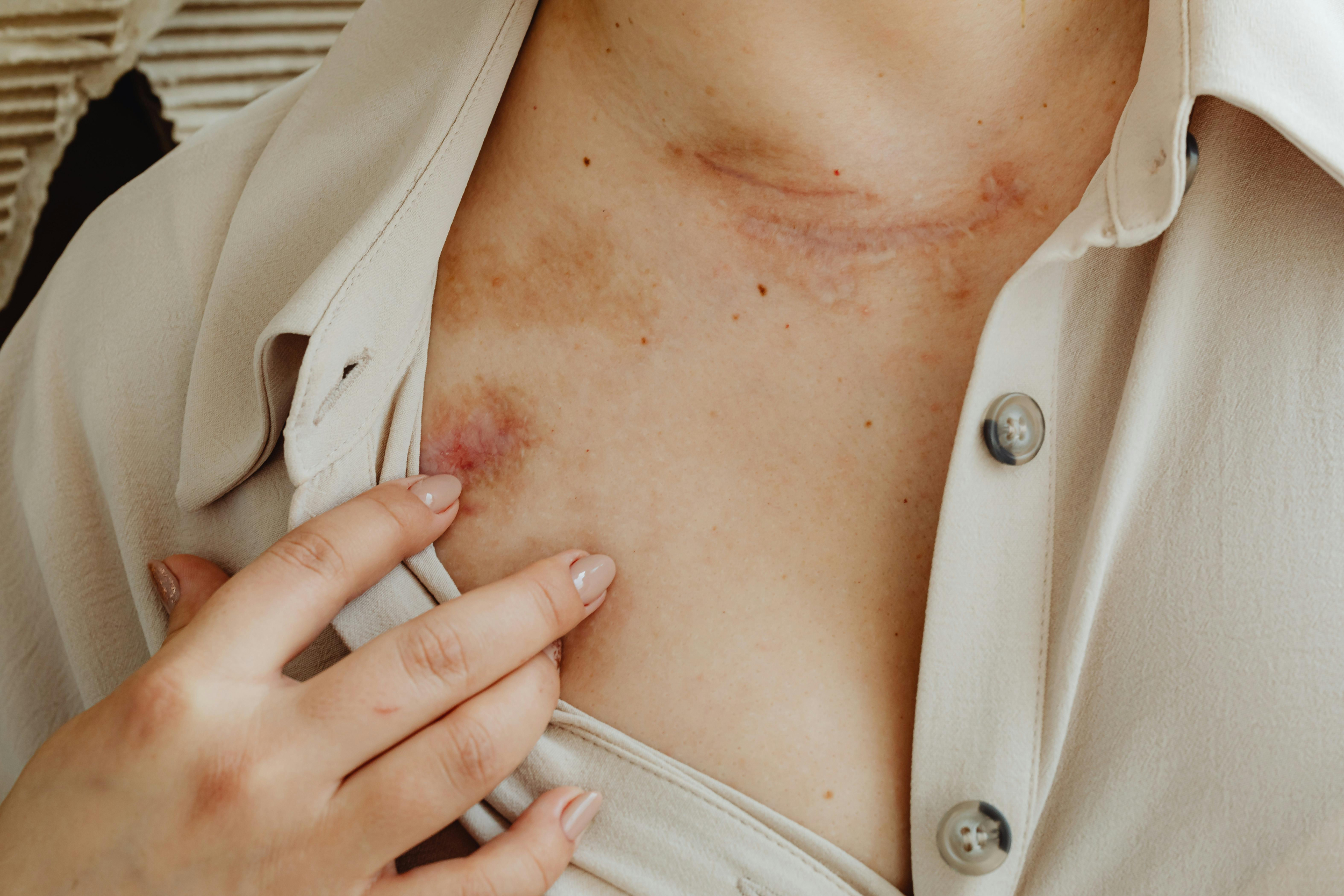
Scars are a natural part of healing, but they don’t always fade evenly or completely. A wound scar can take months to remodel, while acne scars often leave visible indentations or discoloration that affect skin texture. Understanding the type of scar you have is the first step toward choosing the right treatment and improving overall skin appearance.
From topical products to in-clinic procedures, modern scar removal options offer noticeable improvements over time. With consistent skincare for scars and the right combination of treatments, many people achieve smoother, clearer skin without overly aggressive methods.
7 Effective Scar Removal Treatments
Treating a wound scar or acne scars effectively often requires combining methods rather than relying on a single solution. According to the American Academy of Dermatology, different scar types respond to different treatments, and a personalized approach improves results significantly. Dermatologists often recommend combining topical care with professional procedures for better long-term outcomes.
1. Silicone Gel Sheets/Patches
Silicone gel sheets are widely used in skincare for scars because they form a protective layer that locks in moisture and helps regulate collagen production. This controlled hydration softens scar tissue and reduces excess buildup, making them effective for hypertrophic scars, keloids, and surgical wounds. They are usually worn daily for several weeks to months, gradually improving texture, color, and firmness. Consistent use can also help reduce itching and discomfort around the scar.
2. Topical Retinoids (Tretinoin)
Retinoids boost skin cell turnover and support collagen production, making them useful for acne scars and early wound scar treatment. They help smooth uneven texture and fade discoloration over time with regular use. Visible results often appear after a few weeks to months of consistent application. Because they increase sun sensitivity, daily sunscreen is important during treatment.
3. Microneedling (Collagen Induction)
Microneedling creates tiny controlled injuries in the skin that trigger natural collagen repair. It works well for atrophic acne scars, helping improve depth and uneven texture. Multiple sessions are usually needed, spaced a few weeks apart for best results. Over time, the skin becomes smoother and more even as collagen rebuilds.
4. Chemical Peels
Chemical peels remove damaged surface layers of skin to encourage new cell growth. They help reduce pigmentation issues and improve mild acne scars and uneven tone. Light peels have minimal downtime, while stronger ones are done professionally for deeper concerns. Regular sessions can noticeably improve skin clarity and texture.
5. Fractional Laser Resurfacing
Fractional laser resurfacing uses targeted light energy to stimulate collagen and resurface damaged skin. It is effective for both wound scar and acne scars, improving texture and depth gradually. Treatment is done in sessions with recovery time between each one. Results build over time as the skin repairs itself.
6. Steroid Injections (Keloids/Hypertrophic)
Steroid injections reduce inflammation and slow excess collagen in raised scars like hypertrophic scars and keloids. This helps flatten and soften thick scar tissue over time. Treatments are spaced several weeks apart depending on response. They are often combined with other scar removal methods for better results.
7. Pressure Therapy + Onion Extract
Pressure therapy uses compression garments to apply steady pressure on a healing wound scar, helping prevent excess collagen buildup. It is commonly used for burn scars and requires long-term consistent use. Onion extract gels may also help improve texture and reduce redness. Together, they support gradual scar softening and flattening.
Wound Scar vs Acne Scars: Treatment Protocol Differences
Understanding the difference between a wound scar and acne scars helps guide proper scar removal strategies. According to the Mayo Clinic, raised scars like hypertrophic or keloids result from excess collagen, while acne scars often form due to collagen loss. This distinction explains why treatments like steroid injections work for raised scars, while fillers or microneedling are better for depressed scars.
Wound scars typically take longer to mature, sometimes up to two years, while acne scars may stabilize sooner. Early treatment improves results in both cases. Skin type also matters—darker skin tones may require gentler approaches to avoid pigmentation issues during scar removal procedures.
Skincare for Scars: Adjunct Therapies and Maintenance
A consistent skincare for scars routine helps maintain results and supports healing. According to the National Institutes of Health, ingredients like vitamin C and niacinamide can improve skin repair, reduce inflammation, and support collagen production. These activities are commonly used alongside professional treatments to enhance results.
Daily habits such as gentle massage, sun protection, and hydration also play a key role. Sunscreen is especially important to prevent scars from darkening, while regular maintenance treatments can preserve smoother skin over time.
When to Start Scar Treatments for Better Results
Starting scar removal at the right time can make a big difference in how well treatments work. Early intervention often leads to smoother healing and more noticeable improvement in both wound scar and acne scars.
- Early Healing Phase (First 2–6 weeks) – Focus on gentle care like moisturizing, silicone gel sheets, and sun protection to support proper wound healing and prevent raised scars.
- After Skin Closure (6–12 weeks) – Retinoids and light skincare for scars can be introduced to improve texture and reduce early discoloration.
- Active Remodeling Phase (3–6 months) – Treatments like microneedling and chemical peels become more effective as the skin stabilizes.
- Mature Scar Phase (6–12+ months) – Fractional lasers and steroid injections are more suitable for long-standing wound scar and stubborn acne scars.
- Maintenance Stage – Ongoing skincare for scars, sunscreen, and occasional treatments help maintain results and prevent recurrence of uneven texture.
Your Clear Skin Strategy: A Practical Scar Removal Path
Improving a wound scar or acne scars takes time, but consistent care makes a noticeable difference. Combining treatments like retinoids, microneedling, and silicone gel sheets can gradually refine skin texture and tone. Simple habits—like sun protection and proper skincare for scars—help protect your progress and prevent further damage.
The best results come from matching treatments to your scar type and staying consistent with your routine. With patience and the right approach, scar removal becomes more manageable, leading to healthier-looking skin over time.
Frequently Asked Questions
1. How long does it take for scars to fade?
Scars can take several months to years to fully fade depending on their type. A wound scar may take up to two years to mature, while acne scars may improve faster. Consistent treatment speeds up the process. Results vary based on skin type and care routine.
2. Are acne scars permanent?
Not all acne scars are permanent, but some may not fully disappear without treatment. Procedures like microneedling or laser therapy can significantly reduce their appearance. Topical treatments also help improve texture over time. Early treatment gives better results.
3. Do over-the-counter products really work for scars?
Yes, some OTC products like silicone gel sheets and retinoids can improve mild scars. They work best when used consistently over several weeks or months. However, deeper scars may need professional treatments. Combining methods often gives better outcomes.
4. Is sunscreen important for scar healing?
Yes, sunscreen is essential when treating scars. UV exposure can darken scars and slow healing. Using SPF daily helps maintain even skin tone. It also protects the skin during active scar removal treatments.
<








Leave a Reply