

Key takeaways:
- The biggest clinical disruptors in the ophthalmic market include developments in gene therapy and drug delivery.
- The next wave of innovation will be fueled by agentic AI.
DENVER — In 2026, the biggest drivers of market trends in ophthalmology include rare diseases as well as gene therapies and AI, according to a speaker at Eyecelerator@ARVO.
When looking at the current disease landscape, treatment areas such as glaucoma, uveitis and dry eye disease have a high number of both marketed assets and clinical assets, making them “mature indications with lots of patients, but also lots of competition,” Long Sha, PhD, of Boston Consulting Group, said during a presentation. The highest levels of mergers and acquisitions remain concentrated in the retinal disease market, including diabetic retinopathy, wet age-related macular degeneration and geographic atrophy.

Image: Anthony DeFino | Healio
“Here we have a relatively fewer number of approved assets, but very vibrant clinical activities,” Sha said.
However, venture capital funds are perhaps most interested in the rare disease spaces, including keratoconus, Leber’s hereditary optic neuropathy, retinitis pigmentosa, retinoschisis and Leber congenital amaurosis, according to Sha.
“There is an untapped opportunity, and there can be a lot of value with the science,” he said.
Within the last 18 months, one of the most transformative disruptors in the ophthalmic market has been the gene therapy space, largely due to the appeal of a one-time injection when compared with the multiple injections required of anti-VEGF treatments.
“Gene therapy is now expanding beyond rare diseases into chronic disease management such as wet AMD, GA and DR,” Sha said. “This is signified by several high-profile acquisitions and partnerships, such as the one between AbbVie and Regenxbio, and the acquisition of Adverum by Lilly.”
Additionally, the drug delivery space is the second largest trend in the ophthalmic space, with longer acting therapies reducing the burden of treatment for both ophthalmologists and patients.
“It will be very interesting in the next 1 to 3 years to see, in some of these disease areas, how these longer acting therapeutics and the gene therapy dynamics play out,” Sha said.
Looking forward, the next wave of AI innovation that will drive the market, according to Sha, is agentic AI.
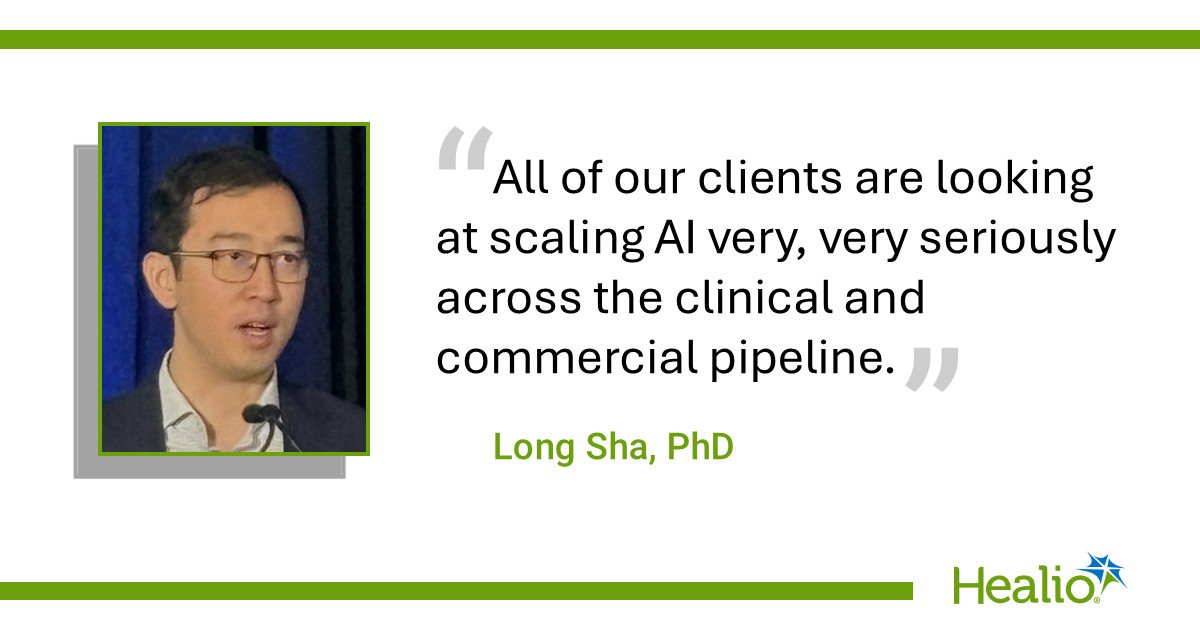
“All of our clients are looking at scaling AI very, very seriously across the clinical and commercial pipeline,” he said.
Sha highlighted agentic AI’s ability to offers real-time customer input that will fuel research and development initiatives, as well as provide commercial support through providing automated sales agents and augmenting field force training. Additionally, agentic AI will provide practices with more tools for offering the real-time patient support “that doctor’s offices just don’t have the capacity to do.”
“We are very excited to partner with our clients and also help transform how AI can deliver value across the value chain,” Sha said.
Sources/Disclosures
Source:
Sha L. Market and innovation trends in ophthalmology. Presented at: Eyecelerator@ARVO; May 1, 2026; Denver.
Disclosures:
Sha reports being a partner for Boston Consulting Group.

Ask a clinical question and tap into Healio AI’s knowledge base.
- PubMed, enrolling/recruiting trials, guidelines
- Clinical Guidance, Healio CME, FDA news
- Healio’s exclusive daily news coverage of clinical data
<









Leave a Reply