
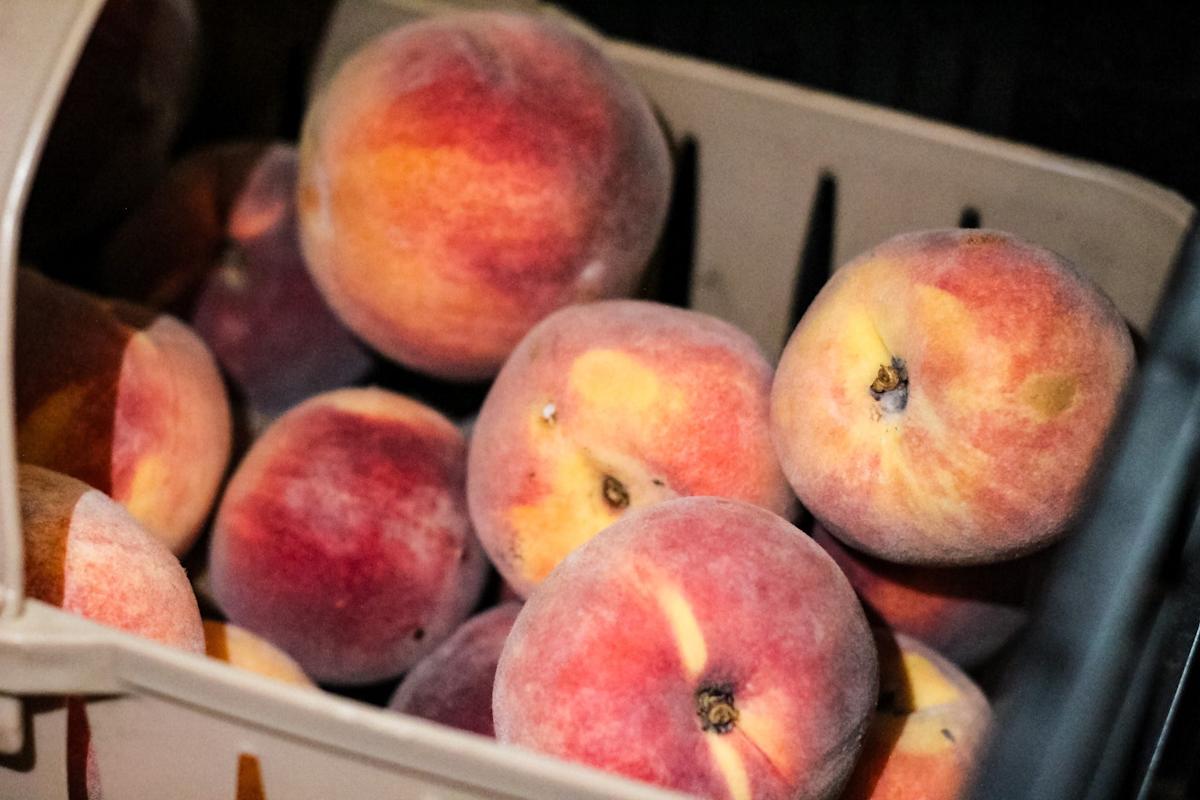
California peach growers are set to destroy roughly 420,000 clingstone peach trees after the collapse of a decades-long partnership with Del Monte Foods left farmers without buyers for tens of thousands of tons of fruit.
The move comes after the U.S. Department of Agriculture approved up to $9 million in federal relief funding to help California farmers remove about 3,000 acres of peach orchards ahead of the 2026 harvest season, according to a release from Adam Schiff and California lawmakers.
The emergency aid comes after the closure of Del Monte processing facilities in two California towns, Modesto and Hughson, a fallout following the food giant’s Chapter 11 bankruptcy filing last year.
Here’s what to know about the removal of clingstone peach trees.
Why California peach farmers are removing trees
Central California growers were thrown into crisis after Del Monte permanently shuttered its canneries earlier this year, canceling many longtime grower contracts and leaving farmers with no major processing outlet for their clingstone peaches.
According to reporting from MSN and the Sacramento Bee, many farmers had maintained 20-year agreements with Del Monte to grow peaches specifically for canning operations. The abrupt closures reportedly put growers on track for an estimated $550 million revenue loss.
Lawmakers said the USDA funding will allow growers to pull trees that no longer have a viable market while helping them transition to different crops.
“As the lawmakers requested, USDA’s assistance to farmers will include up to $9 million for the removal of up to 420,000 clingstone peach trees,” Sen. Adam Schiff’s, D-California, office said in a statement.
USDA analysis found removing approximately 50,000 tons of peaches from production could help growers avoid roughly $30 million in projected losses.

What lawmakers are saying
In his release, Schiff said, “Following our urging to the Trump administration to deliver relief to peach farmers, I am pleased that USDA is unlocking this federal funding.”
Rep. Mike Thompson, D-California, said the scale of the disruption created a crisis many family farms could not absorb on their own.
“When a processing facility closes and 55,000 acres of fruit suddenly have nowhere to go, that’s not something a family farm can just absorb,” Thompson said.
Rep. David Valadao, D-California, said the Modesto facility had served as a critical processing hub for generations of Central Valley farmers.
“For generations, Central Valley family farms have relied on Del Monte’s Modesto facility to process their peaches, and its sudden closure left growers with thousands of pounds of fruit and no clear path forward,” Valadao said.









Leave a Reply