
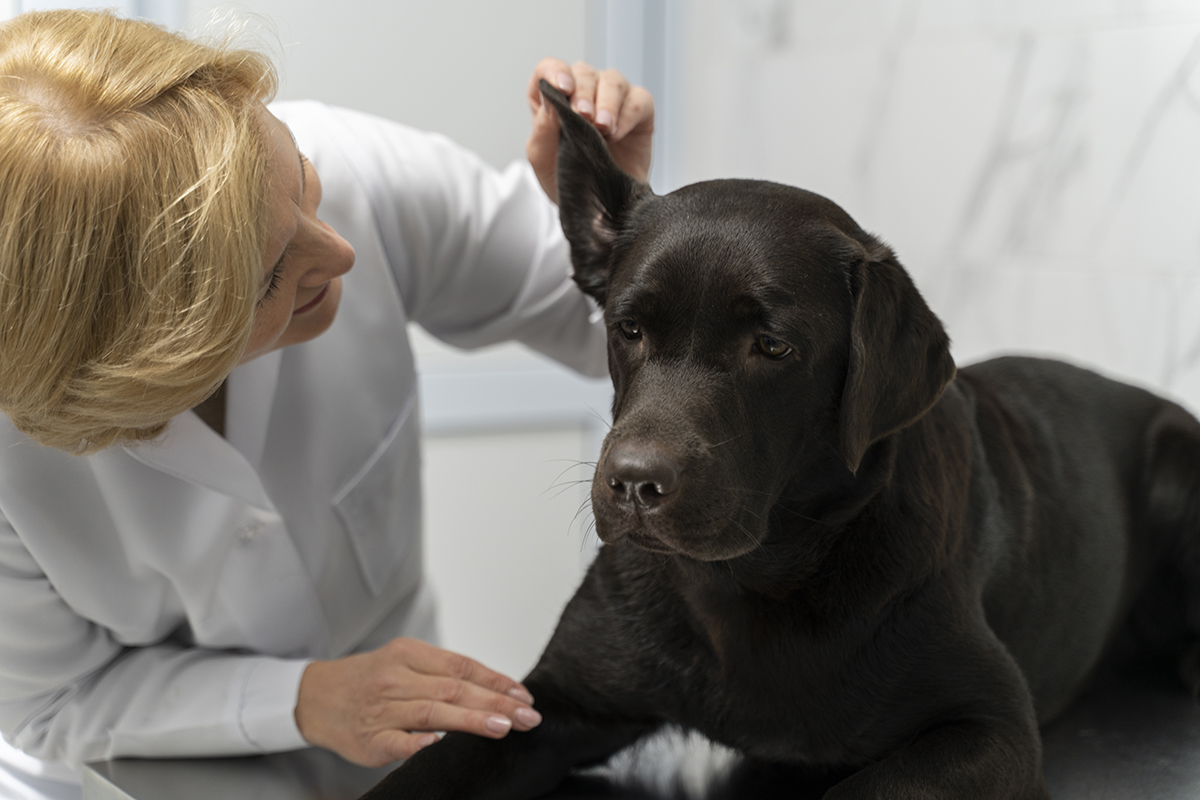
Most pet parents are accustomed to grooming their pets’ coats and cutting their nails, but they often overlook ear care until an issue arises. However, these are delicate aspects that also require an equal amount of attention, as they play a vital role in a dog’s well-being and comfort.
Professional groomers see the difference that proactive ear care makes on a daily basis. Dogs whose ears are properly groomed are happier, healthier and have a much lower possibility of getting painful infections.
Recognizing Healthy Dog Ears
Healthy ears tell a clear story. They look clean and pink, and have smooth skin, which is not scaly or full of wax. The ear canal should not have any unpleasant odours, and with the ear flap raised carefully, the interior should appear clean.
Probably the most crucial point is that dogs with healthy ears allow gentle handling. They will not shake their heads wildly, scratch their faces or pull away when their ears are touched. This placid demeanour usually shows that everything is fine.
Knowing your dog’s “normal” makes it easier to spot changes early. Each dog has a standard, and the ability to identify any inconsistencies with this standard is the answer to early intervention.
Red Flags That Demand Attention
Ear issues are tricksters and have a tendency to escalate very fast, and that is why identifying red flags is absolutely important. Certain symptoms are not difficult to notice, whereas others demand a more attentive eye.
Continuous scratching or pawing of the ears, constant shaking or tilting of the head, any visible reddening or swelling, bad smells, and any discharge (brown, yellow, or bloody) are the most common warning signs. Another indication is dogs being sensitive to their ears, flinching or drawing away when you touch the area near their ears.
Even the smallest differences cannot be neglected. Shaking of the head may seem like harmless behaviour, but this can be the beginning of an ear infection or irritation. Early identification of these symptoms can help the dog avoid future painful situations and reduce the need for expensive veterinary bills.
When Professional Help Becomes Necessary
Although simple cleaning can cope with small amounts of accumulation and debris, there are cases that can only be met with veterinary skills. A professional assessment is necessary when the ears are inflamed or swollen, have strong-smelling discharge, show the dog to be in considerable pain or are uncooperative when touched around the ears, or when the symptoms are not resolved even with proper cleaning.
Ear infections that are left untreated may turn out to be chronic and may lead to permanent hearing loss. To identify certain bacteria, yeast or parasites, a microscopic analysis of ear discharge can be done by veterinarians: a procedure termed ear cytology. This accuracy will help in treating the real problem and not only suppressing the symptoms.
Over-the-counter remedies may mask symptoms without addressing the root cause, which is why professional diagnosis is essential.
The Hair Plucking Controversy
The debate on ear hair removal is split among groomers, and both sides have strong reasoning behind their position. A balanced solution is one that takes breed-specific needs into consideration as opposed to enforcing a blanket policy.
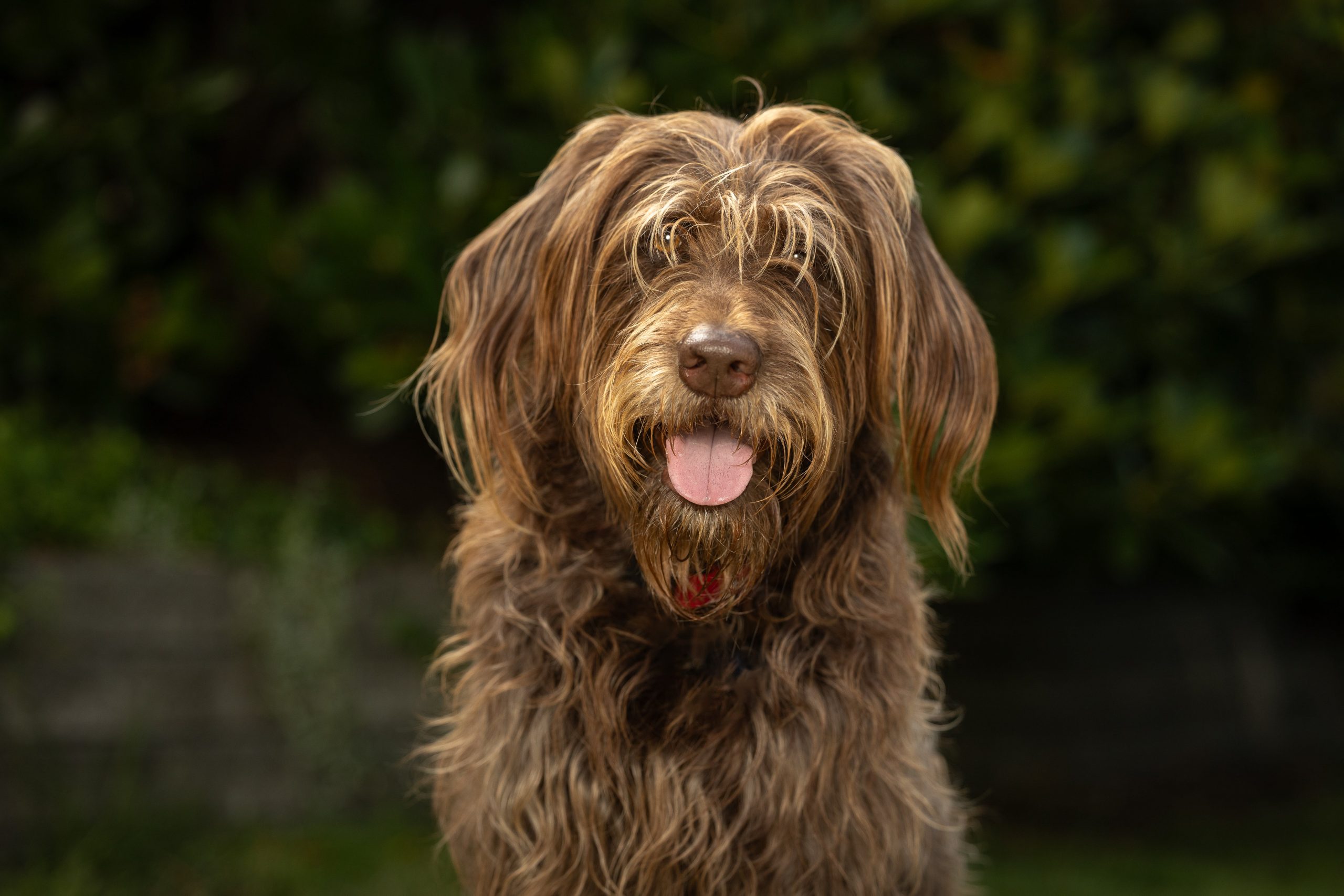
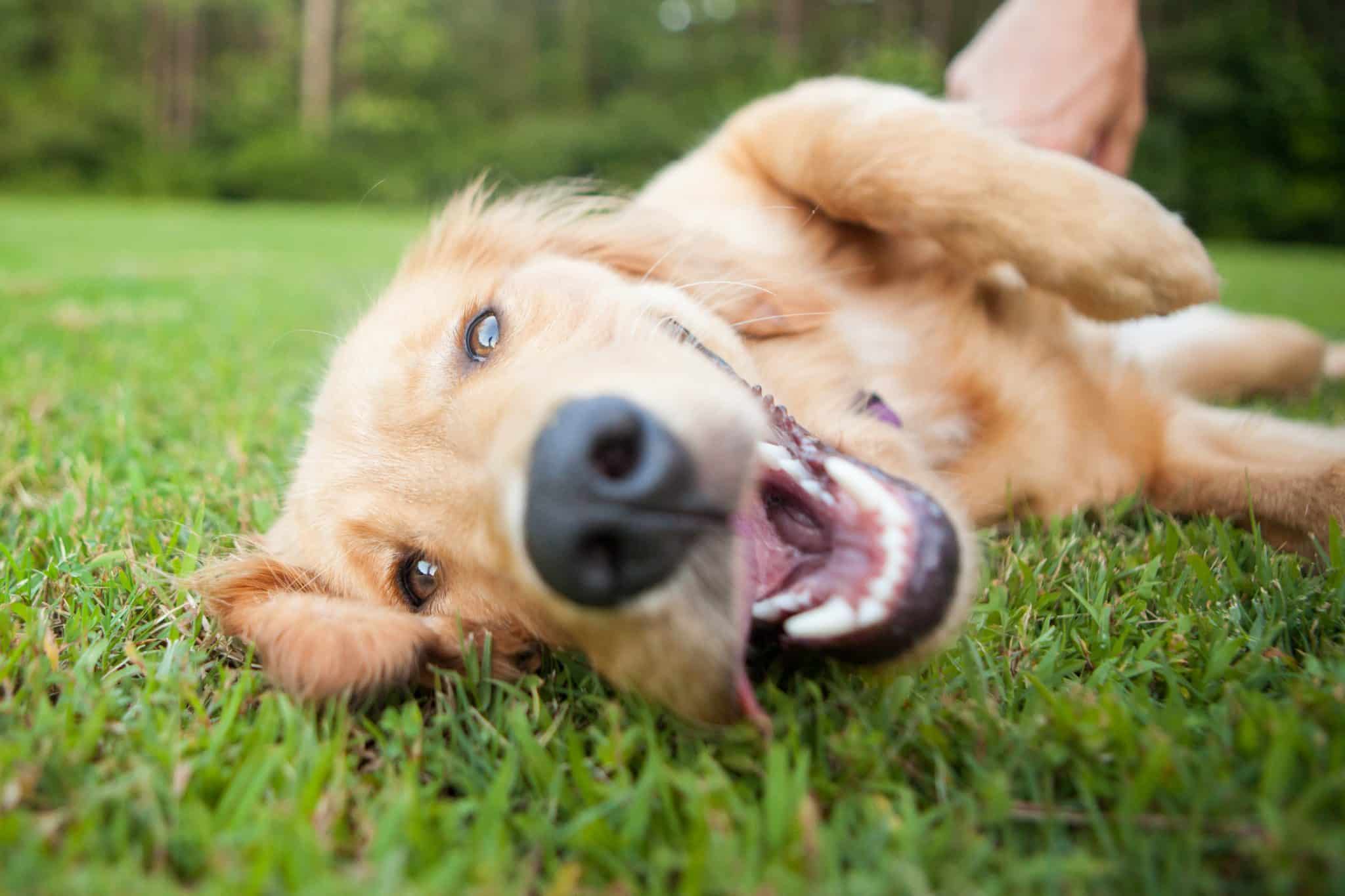
Dogs with thick ear hair (Poodles, Schnauzers, Doodles, and Shih Tzus, etc.) are typically good candidates for a careful pluck. The presence of excess hair traps moisture and debris, and this provides an environment in which infections flourish. However, breeds that naturally have good ear hair, such as Golden Retrievers, Labrador Retrievers, Huskies, and Pomeranians, typically only require regular cleaning.
It is all about knowing the anatomy and individual needs of each breed instead of depending on the one-size-fits-all advice.
Understanding Common Ear Problems
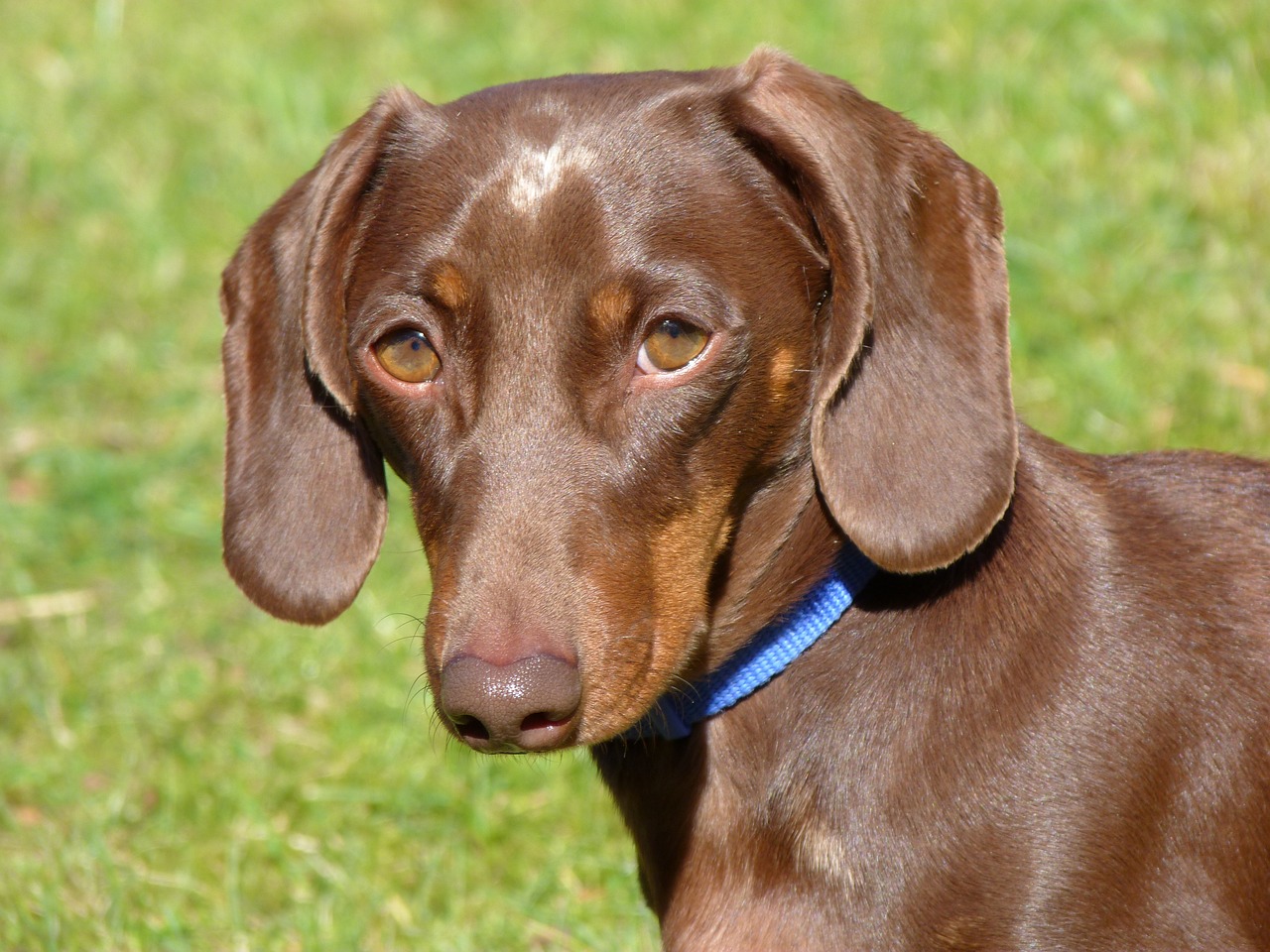
Infections due to moisture, debris, allergies, parasites or excess of wax are the most prevalent ear problems that veterinarians encounter. Poor airflow puts dogs with floppy ears or excessive hair growth at greater risk.
The symptoms are odour, discharge, scratching, redness and swelling. It needs medication prescribed by a vet. Prevention aims at ensuring that the ears are kept dry and clean, particularly following swimming or bathing.
Tiny parasites cause intense itchiness and dark, crumbly debris. They are most commonly confused with infections, yet require a totally different treatment, and proper diagnosis is key.
Food or environmental triggers often cause recurring inflammation, sometimes accompanied by paw licking or skin irritation.
Over-scratching or shaking of the head may cause a break in the ear flap vessels, resulting in painful swellings that often necessitate surgery. Prevention of them is achieved through early intervention.
Mastering Safe Ear Cleaning Techniques
Cleaning should be done with proper solutions and tools. The best products are those that are approved by the veterinarians; household remedies such as peroxide or vinegar might cause damage to the tissues of the ears.
It is also important to always use cotton balls or gauze, and not Q-tips, which can force debris further or cause harm.
To clean: fill the canal with solution, massage the base for 20-30 seconds, have the dog shake himself off, and wipe the outer ear and folds.
The Professional Groomer’s Perspective
Groomers support ear health through cleaning, hair removal when necessary, and early detection of redness, unusual wax, or irritation. Because they see dogs regularly, they often notice problems before owners do.
Working with veterinarians, groomers provide a first line of defence and an important preventive care network. You can also check here for pet spa Toronto.
Frequently Asked Questions
- How often do dogs need ear cleaning?
Monthly cleanings work for most, though dogs prone to infections may need more frequent care. Vets can recommend the right schedule. - Are Q-tips safe for dog ear cleaning?
No. They push debris deeper and can injure delicate structures. Cotton balls or gauze are safer alternatives. - Should ears be cleaned after swimming?
Yes. Water in the canal creates ideal conditions for infection. Drying thoroughly and using vet-approved drying solutions help prevent issues. - Do all dogs need ear hair removal?
Only dense-haired breeds benefit from plucking. Many dogs stay healthy with regular cleaning alone. - How can mites be distinguished from infections?
Mites cause dark, crumbly debris and extreme itching. Infections often induce a distinct smell, redness, and various types of discharge. Due to overlapping symptoms, a veterinary checkup is necessary to diagnose the condition correctly.
Building a Foundation for Lifelong Ear Health
The coordination of owners, groomers, and veterinarians is crucial to maintaining healthy ears. They can be prevented by regular cleansing, breed-specific treatment, and prompt response to warning signs.
Professional services, including those provided by the Pawfect Spa, offer personalized attention through grooming, hair care, and early diagnosis. Proper ear care will provide comfort, prevent serious illness, and strengthen the bond between dogs and their families.





Leave a Reply