

Key takeaways:
- A Delphi study found strong interest in noninvasive treatment.
- Stabilization of vision and reduction in inflammatory factors are early intervention goals.
DENVER — Experts agreed that there is a significant unmet need for early intervention in diabetic macular edema, according to a presentation at the Association for Research in Vision and Ophthalmology meeting.
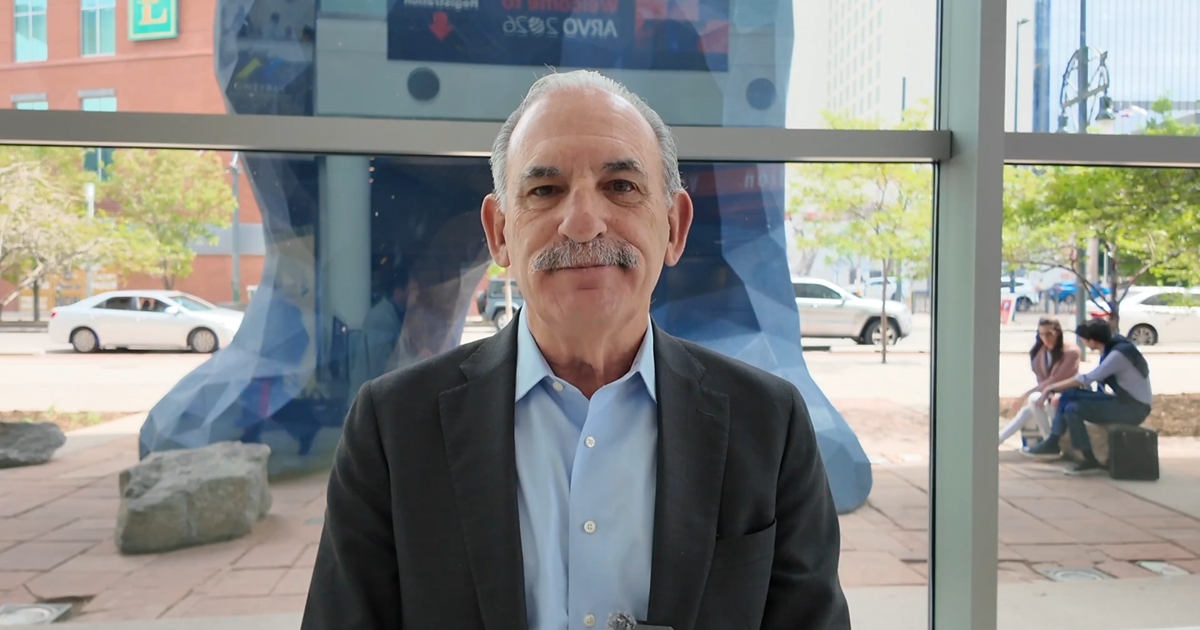
“We know that DME is a leading cause of vision loss in working-age adults, but many patients are left untreated,” Baruch D. Kuppermann, MD, PhD, told Healio. “This is somewhat surprising, but at 1 year after diagnosis of DME, 60% of patients are left untreated.”
Baruch D. Kuppermann, MD, PhD, discusses key findings from the DME AWARE Delphi study.
Kuppermann and colleagues designed the DME AWARE Delphi study to better understand and build consensus around the management of DME. Over the course of three surveys, the researchers proposed 284 statements to a group of 20 experts, consisting of mainly retina specialists and some anterior segment surgeons, according to Kuppermann.
Through administration of the surveys, the researchers were able to pare down the proposed statements to a few consensus findings on unmet needs in DME, including:
- noninvasive treatment;
- improved treatment adherence;
- options for early intervention;
- therapies for concomitant use with standard of care; and
- improved treatment safety and tolerability in early DME.
Kupperman said the researchers also identified two early intervention goals in DME: improvement or stabilization of vision as well as reduction in inflammatory factors. The experts defined early detection as “detection of DME prior to presence of fluid” and early intervention as “treatment of DME prior to functional deterioration,” according to the study.
When it comes to early intervention in DME, “the consensus was the diagnosis was at least one line loss of BCVA from 20/20, and there was strong consensus on intervening if it was noninvasive, but there was lack of consensus if it was intravitreal,” Kuppermann said. “However, when we went to two line loss, there’s even stronger interest in intervening with noninvasive therapy, but there was somewhat more interest in intervening with intravitreal therapy if it was two line loss.”
For more information:
Baruch D. Kuppermann, MD, PhD, director of the Gavin Herbert Eye Institute at the University of California, Irvine, can be reached at bdkupper@uci.edu.
Sources/Disclosures
Source:
Kuppermann BD, et al. Unmet needs in DME management: Latest findings from the DME AWARE Delphi study. Presented at: Association for Research in Vision and Ophthalmology meeting; May 3-7, 2026; Denver.
Disclosures:
Kuppermann reports conducting clinical research for 4DMT, AbbVie, Adverum, Apellis, Clearside, EyePoint, Genentech, Ionis, jCyte, Ray Therapeutics, Regeneron and Regenxbio and consulting for 4DMT, AAVantgarde, AbbVie, Adverum, Alkeus, Amgen, Apellis, Astellas, Aviceda Therapeutics, Boehringer Ingelheim, Clearside, EyeBio, Eyedaptic, EyePoint, Genentech, Glaukos, InflammX Therapeutics, jCyte, Lucina Biotherapeutics, Mobius, Molecular Partners, Neurotech, Novartis, Ocular Therapeutix, Oculis, ONL Therapeutics, Outlook Therapeutics, Priviterra, Regeneron, Re-Vana Therapeutics, Ripple Therapeutics, Roche, Santen, Stealth Therapeutics, Theravance Biopharma and Visgenx.

Ask a clinical question and tap into Healio AI’s knowledge base.
- PubMed, enrolling/recruiting trials, guidelines
- Clinical Guidance, Healio CME, FDA news
- Healio’s exclusive daily news coverage of clinical data
<








Leave a Reply