

THE GIST
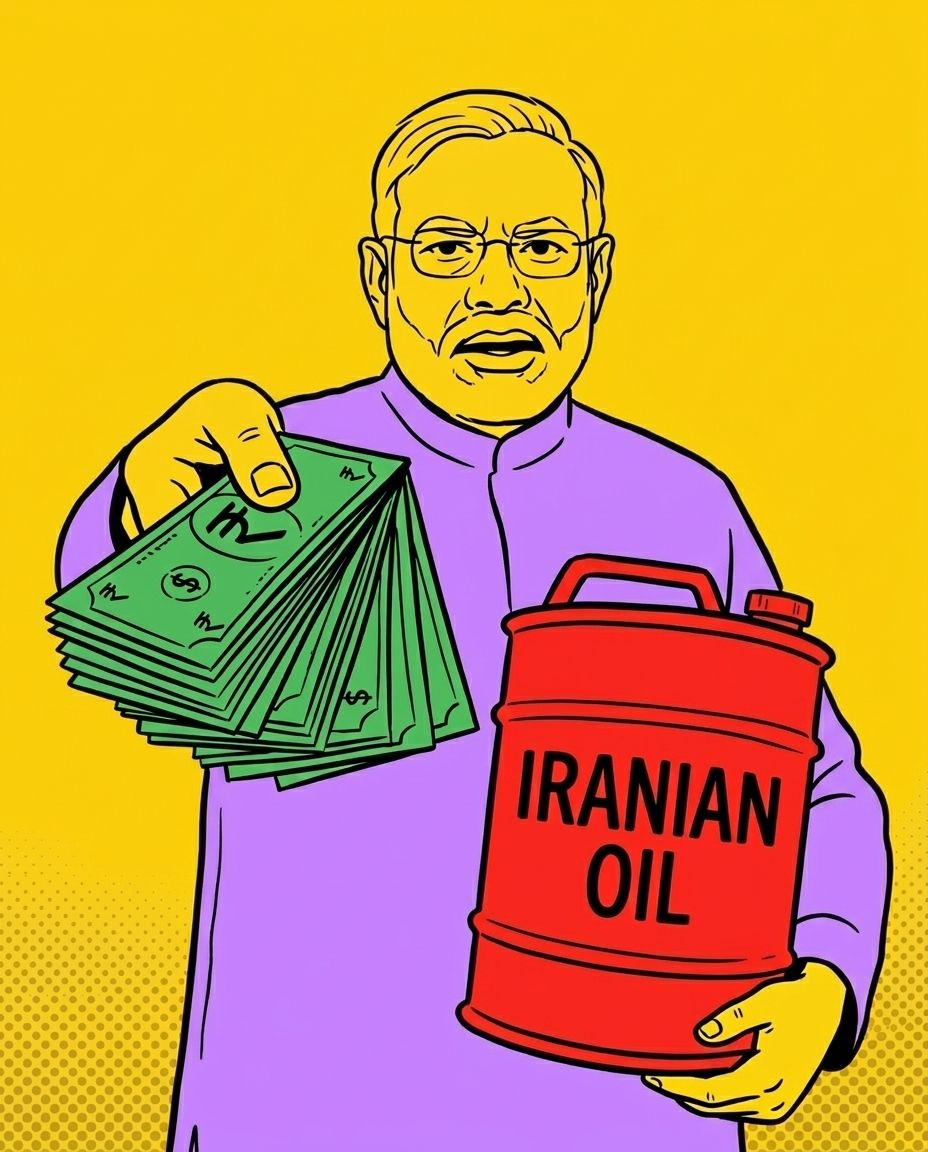
India just bought Iranian oil for the first time since 2019, and the move tells you everything about where New Delhi sits right now: caught between Washington’s sanctions regime and the very real pressure of keeping a billion people’s lights on and stoves burning.
WHAT HAPPENED
India imports over 80% of its crude, so it buys from everyone: Russia, the U.S., Africa, the Middle East. It can’t afford loyalty. The Middle East alone accounts for up to 55% of imports, meaning any disruption in the region ripples fast through the Indian economy, right down to households scrambling for cooking gas.
A temporary easing of U.S. sanctions opened a window, and India moved quickly, securing a crude shipment plus 44,000 metric tons of Iranian LPG. The relief on supply is real. The relief on price is not. Oil has surged above $110 a barrel, LPG imports fell roughly 50% in March, and jet fuel and commercial gas prices climbed 8.6% and 10.4% respectively. Domestic refiners are getting squeezed from both ends, forced to sell at government-controlled prices that no longer reflect what the market is actually charging. India is paying through the nose for the privilege of keeping the lights on.
WHY IT MATTERS
India has always run a diversified sourcing model, and this move is that strategy working exactly as designed: grab available barrels, reduce dependence on any single supplier, exploit the window while it’s open. The more interesting signal is what it says about U.S. sanctions. Washington is deploying waivers with more flexibility now, using them as market tools rather than blunt instruments, which gives buyers like India more room to maneuver without a full diplomatic rupture.
The problem is that supply security and price stability are two different things, and India only solved one of them. With crude stubbornly above $100, New Delhi faces the familiar and deeply uncomfortable choice between letting inflation run or reaching for subsidies and tax cuts to cushion the blow. Either way, the Indian rupee feels the weight of a ballooning import bill, and domestic refiners like Indian Oil Corporation and Reliance Industries remain caught between high input costs and government-controlled selling prices that don’t move fast enough to keep up.
WHAT’S NEXT
India will keep buying Iranian oil as long as waivers hold, while continuing to source from Russia, the U.S. and wherever else the math works. But the bigger picture hasn’t changed: Hormuz remains a chokepoint, strategic reserves offer a pressure valve, and OPEC still controls the dial on both supply and price. India navigated this round. The next one depends on how long the window stays open.









Leave a Reply