
Lancet study finds that GLP-1 reduces heavy drinking days in treatment-seeking people with alcohol use disorder and obesity
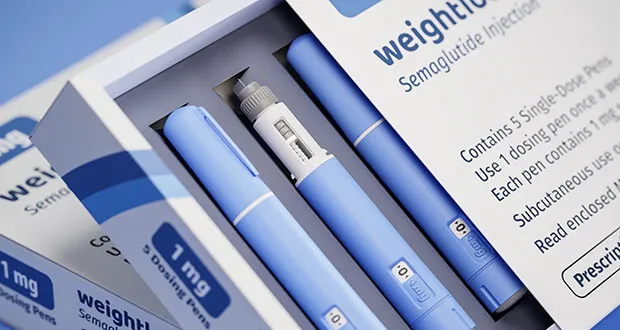
People on GLP-1 medicines for obesity who were also being treated for alcohol use had 50 per cent fewer heavy drinking days, compared to people not taking the weight-loss drugs, a new study has found.
A trial of 108 adults with obesity seeking treatment for alcohol use found that a once-weekly semaglutide injection reduced heavy drinking days in the past 30 days by an average of roughly 12 days, 50 per cent higher than the eight-day reduction seen in the placebo group.
The use of the drugs was also linked to reductions in multiple secondary outcomes, such as alcohol craving, drinks per drinking day, and total alcohol consumption.
This study, published in The Lancet, is the first randomised controlled trial investigating if GLP-1s can reduce alcohol intake in patients with obesity who are seeking treatment for alcohol use disorder.
The trial took place at a mental health centre in Denmark. All participants were offered cognitive behavioural therapy and were randomised to receive either a weekly dose of semaglutide or a placebo.
At the start of the trial, patients had on average 17 days of heavy drinking over the last 30 days. After six months, patients receiving semaglutide had an average of roughly five heavy drinking days over the previous 30 days, compared to nine days in the placebo group.
Additionally, at the start of the trial participants had an average of approximately 2200g of alcohol over the previous 30 days which decreased to roughly 650g/30 days with semaglutide and 1175g/30 days with placebo after six months.
In a comment piece accompanying the paper, Dr Christian Hendershot and Dr Kara Klein of the University of North Carolina said that further studies are needed to determine the effects of GLP-1s at lower doses, as well as evaluating their impact on alcohol use among people who do not live with obesity.
“The trial results also indicated individual variability, with some participants showing little or no drinking reduction, which highlights the need to understand predictors of response,” they wrote.
But despite the study’s limitations, its findings are hopeful. “The importance of evaluating GLP-1 therapies as new therapeutic options for alcohol use disorder cannot be overstated,” they added.
“Should incretin therapies receive regulatory approval for alcohol use disorder, their pre-existing acceptance and broad use could substantially increase treatment access, reducing conventional treatment barriers.”
Alcohol use disorder accounts for five per cent of deaths worldwide annually, and there is an urgent need for new treatments.
Read the study: Once-weekly semaglutide versus placebo in patients with alcohol use disorder and comorbid obesity: a randomised, double-blind, placebo-controlled trial – The Lancet.
<















Leave a Reply