


OpenAI is going after private equity. Similar to the “better” deal the ChatGPT-maker is offering the Pentagon, CEO Sam Altman is reportedly dangling a “guaranteed minimum return of 17.5%” to big private equity firms like TPG, Bain Capital, Advent International, and Brookfield Asset Management.
OpenAI, like Anthropic, is pitching a joint venture aimed at “accelerating adoption,” of enterprise AI products, per Reuters. They are hoping to raise about $4 billion at a pre-money valuation of approximately $10 billion.
The deal is structured via a joint venture. That means OpenAI is only offering the above terms if the firms roll out their AI tools within their hundreds portfolio companies, which could be a massive market opportunity. In other words, they’re offering the picks and shovels now in exchange for money, with the idea of giving them gold later.
TPG and Advent will also reportedly getting early access to OpenAI’s newest models as a deal sweetener. But it’s important to note that OpenAI is burning cash, up to $665 billion per estimates, so these promises may be fantastical.
If you zoom out, this is just the latest chapter in the circular financing playbook that Nvidia, Oracle, and SoftBank have been running for years. OpenAI is trying to hook investors with a return on a future investment that’s only worth anything if those same investors start pushing the product they just bought.
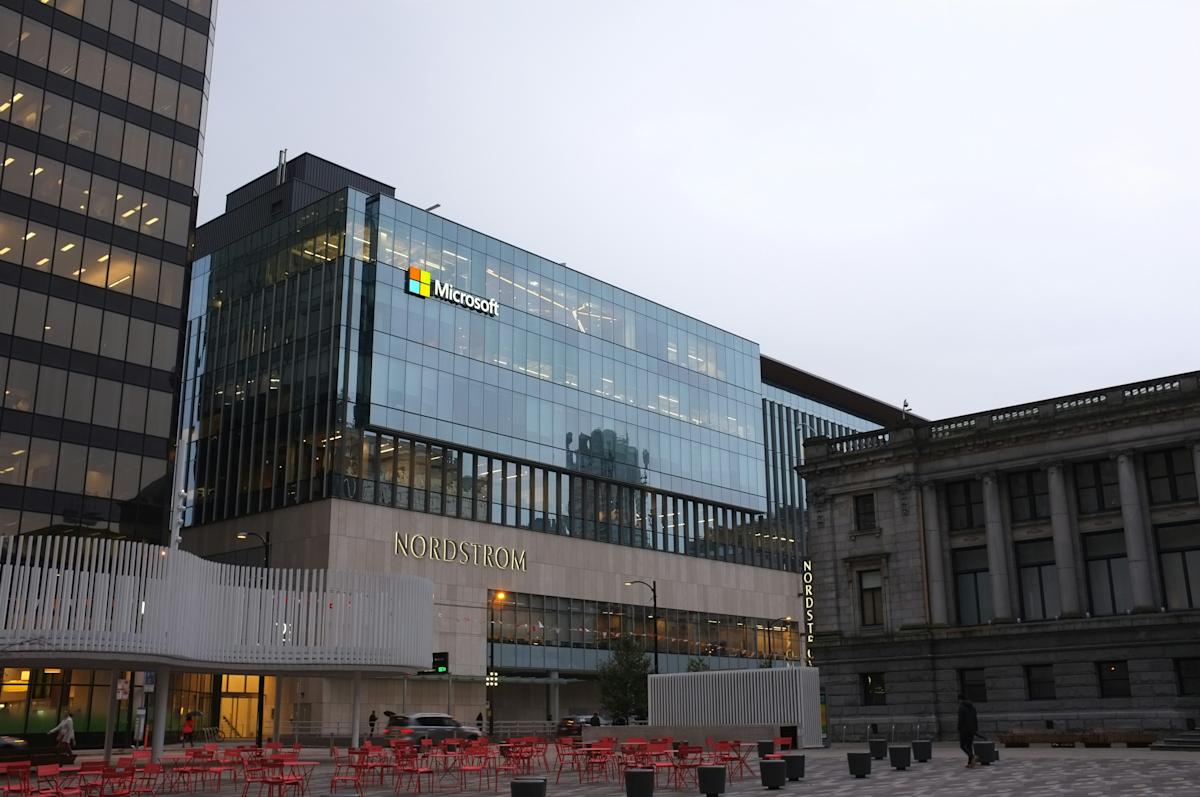
The problem with this strategy is they are creating a market and demand that doesn’t yet exist, and forcing this software down the throats of PE firms and others as the IPO buzzer ticks downward. If you’re Microsoft, which has OpenAI representing some 45% of its entire commercial backlog, you’re worried about this almost too-good-to-be-true kind of deal.
OpenAI COO Brad Lightcap made no secret of the company’s intention to dominate the more lucrative enterprise business, in a bid to capture market share from rival Anthropic.
Our analysts just identified a stock with the potential to be the next Nvidia. Tell us how you invest and we’ll show you why it’s our #1 pick. Tap here.
“One of the interesting things and some of the inspiration for the work we’ve been doing lately around OpenAI Frontier is we have not yet really seen enterprise AI penetrate enterprise business process,” he said in February at the India AI Impact Summit in New Delhi. He also boasted about how the company has too much demand.
“We almost always find ourselves having to manage too much demand,” he added. “We are still an organization that is growing, and so there is this global demand factor that we would love to be able to meet, and we are working as best as we can to be able to meet.”








Leave a Reply