
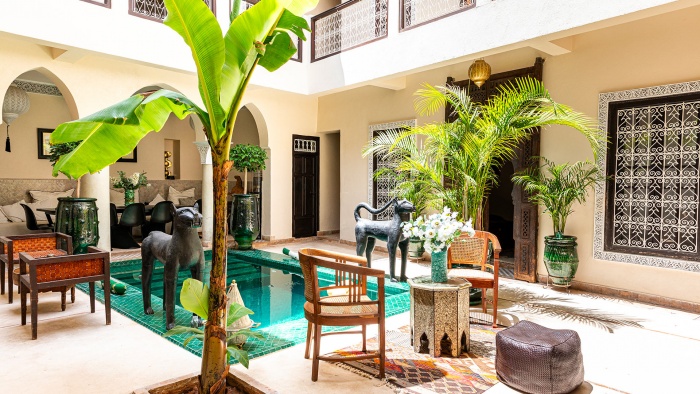

The global luxury travel sector is entering a new phase, as high-end travellers increasingly prioritise privacy, flexibility and personalisation over traditional hotel experiences. What was once a niche alternative — private villa stays — is now becoming a core component of the luxury travel landscape.
This evolution reflects a deeper shift in expectations: travellers are no longer simply looking to stay somewhere, but to inhabit a place.
From accommodation to lifestyle
For decades, luxury hospitality was defined by five-star hotels, refined service and carefully curated environments. While these elements remain important, they are no longer sufficient for a growing segment of affluent travellers.
Today, space, autonomy and the ability to live at one’s own pace have become central to the travel experience. Private residences offer what hotels often cannot: multiple living spaces, private outdoor areas and the freedom to shape daily routines without constraints.
This shift is particularly visible among families and multigenerational groups, where longer stays and shared experiences are becoming the norm. Across the sector, demand is steadily increasing for larger properties and more flexible accommodation formats, reflecting a move towards more immersive and experience-led travel.
A growing demand for flexibility and intentional travel
Alongside this evolution, the relationship to property itself is also changing. Rather than investing in a single second home, many travellers are opting for more flexible models that allow them to access different destinations depending on their needs, the season or the type of trip they are planning.
This approach enables greater freedom — both geographically and financially — while maintaining a consistent level of comfort and service. Increasingly, travellers are selecting destinations based on specific interests, cultural experiences or personal motivations, rather than simply choosing the most established or well-known locations.
The structuring of a new segment
As demand increases, the private villa market is becoming more organised and professionalised. What was once fragmented is now evolving into a more structured ecosystem, supported by specialist operators offering curated portfolios and integrated services.
The model is also embodied by curated collections such as Villanovo’s luxury villas, which bring together distinctive homes, personalised service and local expertise. This approach allows travellers to retain the independence of a private residence while benefiting from a level of support more commonly associated with high-end hospitality.
Beyond accommodation, the experience is increasingly enriched by tailored services, including private chefs, concierge planning, transfers and destination recommendations, all contributing to a more seamless and immersive stay.
Hospitality inspired by the home
The rise of residential hospitality is also influencing the broader travel industry. Many established hospitality brands are now incorporating villas, branded residences and private-home concepts into their portfolios, reflecting a wider shift towards more flexible and personalised formats.
Open-plan living spaces, private amenities and adaptable services are becoming standard expectations among high-end travellers. The distinction between hospitality and residential living is gradually narrowing, giving rise to hybrid models that combine the best of both worlds.
For further context on evolving travel behaviours, recent industry reports highlight how luxury travellers are increasingly seeking meaningful, experience-driven journeys and moving beyond traditional destination-led choices.
A long-term transformation
Far from being a temporary trend, the growth of residential hospitality points to a deeper transformation within the luxury travel sector.
As travellers seek more meaningful, private and adaptable experiences, the ability to live in a destination rather than simply visit it is becoming a defining feature of high-end travel.
In this evolving landscape, private villas are no longer an alternative to hotels — they are becoming a central component of the luxury travel experience.






Leave a Reply