
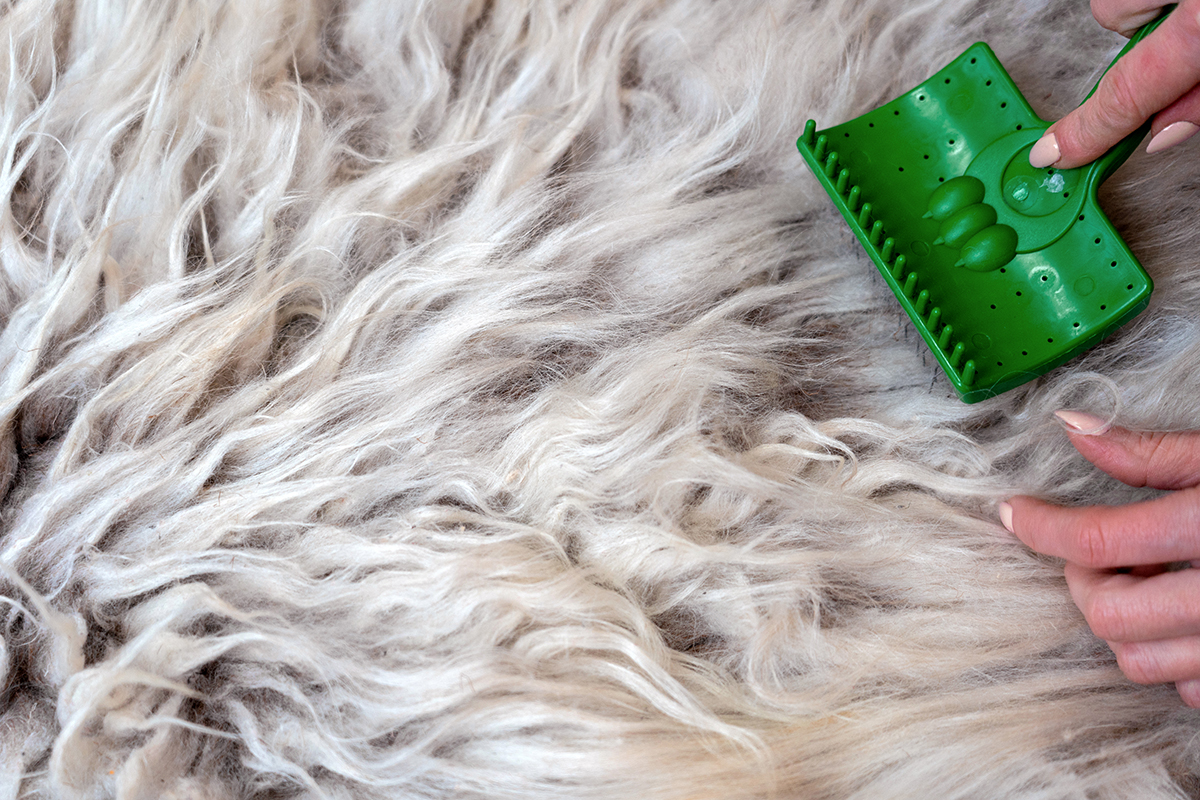
Has your furry friend ever come home from playing outside, only for you to discover what seems like overnight development of tangled fur? Perhaps you’ve run your fingers through your pet’s coat, thinking all is well, yet your groomer mentions serious matting issues? There are many others in the same situation. It’s time to explore the world of pet fur matting and tangles, which afflicts both dogs and cats.
What are Mats and Tangles?

Mats and tangles are collections of twisted, tangled fur that develop in your pet’s coat. While they may begin as simple tangles (loose knots that can still be separated), they can swiftly grow into mats—dense, felt-like masses that attach strongly to the skin. These troublesome formations occur when loose fur gets entangled with attached fur, creating increasingly tight knots that compress over time.
Pet owners often miss the early stages of tangling because the top layer of fur can appear perfectly normal while problems develop closer to the skin.
How Do Mats Form?
Contrary to popular belief, mats rarely “just happen overnight.” They develop gradually through several common causes:
- Regular movement and friction in areas where fur rubs against itself
- Moisture from bathing, swimming, or rain that wasn’t followed by thorough drying and brushing
- Seasonal shedding when dead fur isn’t promptly removed
- Lack of regular grooming maintenance
- Certain coat types that are naturally more prone to tangling (long, fine, or curly coats)
The confusion about mats forming “suddenly” often stems from pet parents noticing them only after they’ve become substantial enough to feel or see—which might happen after a trigger like a bath that compacts existing minor tangles into more obvious mats.
Health Implications
Mats aren’t merely a cosmetic concern. They can cause serious health issues, including:
- Restricted airflow to the skin, creating the perfect warm, moist environment for bacteria and fungi
- Skin irritation, rashes, and hot spots from constant pulling and rubbing
- Reduced ability for the skin to breathe, potentially leading to overheating
- Pain and discomfort from constant pulling on the skin
- Hidden skin conditions that go undetected beneath the matted fur
- Compromised mobility if mats form near joints
Why Baths Can Make Matters Worse
Here’s a scenario many groomers encounter: a pet owner gives their dog a bath, only to discover what seems like a sudden explosion of mats afterward. This happens because water causes existing minor tangles to swell, contract, and tighten as they dry, turning what were once barely noticeable knots into solid mats.
This is precisely why professional groomers typically brush and de-tangle before bathing, not after—a sequence many at-home groomers get backward.
Prevention: The Key to Healthy Fur
Preventing mats is significantly easier than removing them. Here’s how to keep your pet’s coat healthy:
- Establish a regular groom
- schedule based on your pet’s coat type. Long-haired breeds may need daily brushing, while shorter coats might require weekly attention.
- Use proper tools. A common mistake is using only a pin brush, which merely fluffs the outer coat. Invest in:
- A quality slicker brush with angled pins to reach down to the skin
- A metal comb for checking thoroughness and detecting hidden tangles
- Detangling sprays formulated for pets (never use human products)
- Learn proper technique. Brush all the way down to the skin, not just the surface, using gentle, short strokes. Always follow brushing with combing to ensure you’ve reached all layers.
- Pay special attention to prone areas: behind the ears, under the chin, chest, armpits, inner legs, paw pads, around the tail, and any other friction points. These spots develop mats much faster than the easy-to-reach back area.
- Be thorough after any water exposure. Always fully dry and brush your pet after baths, swimming, or rainy walks.
The Myth of “Finger Testing”
Many pet owners believe they can detect mats by running their fingers through their pet’s fur. Unfortunately, fingers easily glide over or around developing tangles, missing what a comb would catch. The only reliable way to check for tangles is using a fine-toothed comb all the way to the skin.
When Mats Have Already Formed
Once significant matting has developed, professional help is usually necessary. Many owners are reluctant to accept shaving as the solution, but attempting to demat severe cases causes significant pain and stress for pets. Prevention through regular maintenance is always preferable to the “emergency shave” that might be required once mats have formed.
Professional Care Makes the Difference

Taking your pet for grooming regularly is a smart way to keep them healthy and comfortable. Groomers know how to care for your pet’s hair and fix small problems early, so they don’t become serious.
Our experts at Pawfect Spa prevent and remove mats without causing any discomfort to your pet. We are here to share personalized advice for home grooming based on what suits your pet best. Arrange your pet’s routine grooming appointment now to help avoid matting of their coat all year.









Leave a Reply