
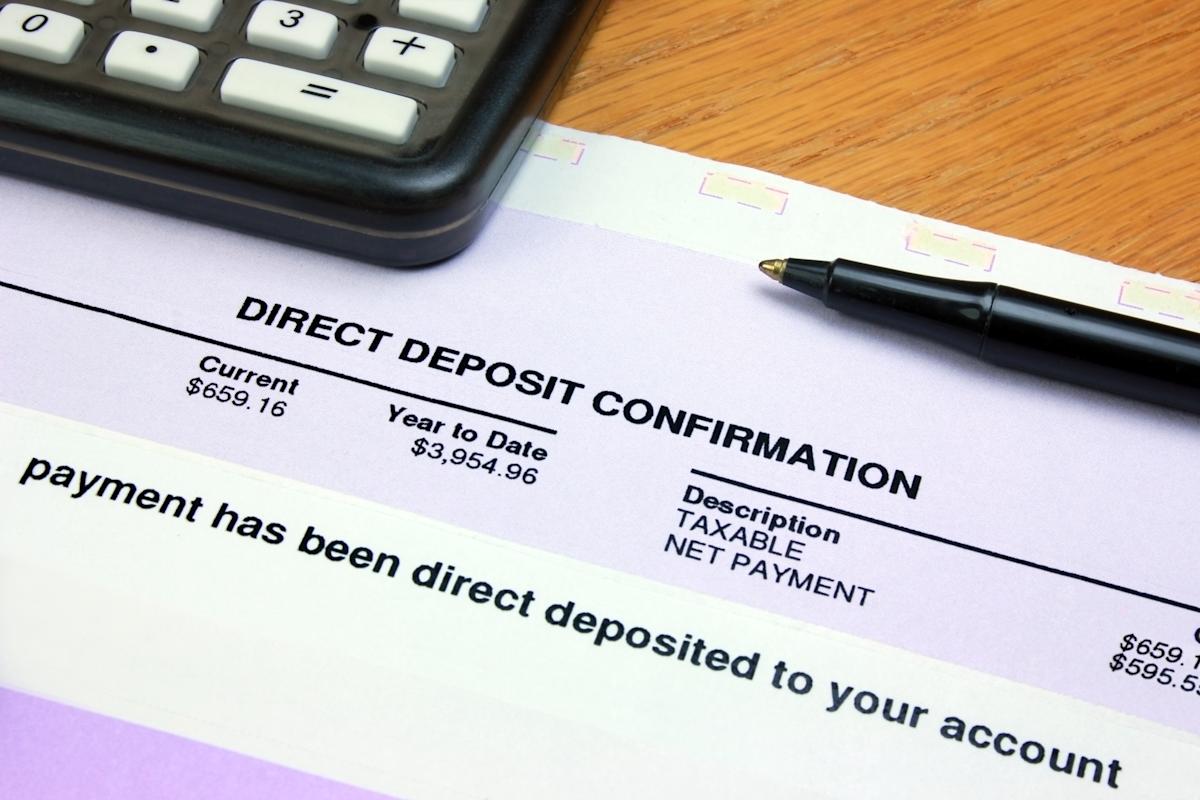
The wait between paychecks can feel like an eternity, especially when you’re struggling to stretch your budget between paydays. And you’re not alone — in 2025, nearly a quarter of all U.S. households lived paycheck to paycheck, according to Bank of America.
The good news: Many financial institutions now offer early direct deposit, allowing checking account customers to be paid up to two days earlier in many cases.
So, how does early direct deposit work, and which banks offer it? Read on to find out.
Early direct deposit is a perk that lets checking account holders access their paychecks before their scheduled payday. Many financial institutions automatically offer this benefit to qualifying customers; you’ll see your paycheck land in your account ahead of schedule without taking any additional steps. In other cases, you may need to enroll in early direct deposit first (if the service is offered).
Here’s how it works: When your employer sends their payroll information to your bank, it goes through the Automated Clearing House (ACH). This is the electronic network that banks use to send payments to one another. Typically, it will take ACH one or two business days to verify the payment information received from your employer or the payer before your bank disburses the funds to your bank account.
When your bank offers early direct deposit, however, those funds are made available to you immediately after your employer sends your paycheck to ACH, before the information has been verified.
If you receive government benefit payments or a tax refund, your bank may also make it available to you earlier than scheduled.
Getting paid early can certainly come in handy, especially if you’re living on a tight budget or have an unexpected expense hit before your scheduled payday.
For example, if your student loan payment is usually due on the 13th of the month, but your paycheck doesn’t clear until the 15th of the month, you might find yourself dipping into your savings account to avoid a late payment. In this case, getting early access to your paycheck can be helpful.
If you’re able to receive your direct deposits early, there are a couple of steps you may want to take to get the most out of your next paycheck:
-
Pay yourself first: Getting paid early can be exciting, and you may be tempted to treat yourself immediately. Before you do, consider putting some of the money into your emergency fund. You never know when a financial emergency may arise, and if you’re waiting a bit longer for your next paycheck, having extra funds in your savings account can help you avoid using a credit card.
-
Prioritize debt payments: On-time payments account for a significant portion of your credit score. If your paycheck hits your account a little early, it could be in your best interest to tackle your credit card or student loan payment early so that it doesn’t slip your mind and potentially ding your credit score later on.
Read more: What’s more important: Saving money or paying off debt?
More and more banks are offering automatic early direct deposit, but your bank may have specific requirements for who qualifies.
Here are a few major banks that currently offer early direct deposit and the enrollment requirements you’ll need to meet to get paid early:
Even if your bank is not listed here, early direct deposit may be an option. Reach out to a representative and inquire about early direct deposit options and requirements.
If your bank doesn’t offer early direct deposit, and you think this type of service could be beneficial, consider opening a checking account with a bank that does provide it.




Leave a Reply