
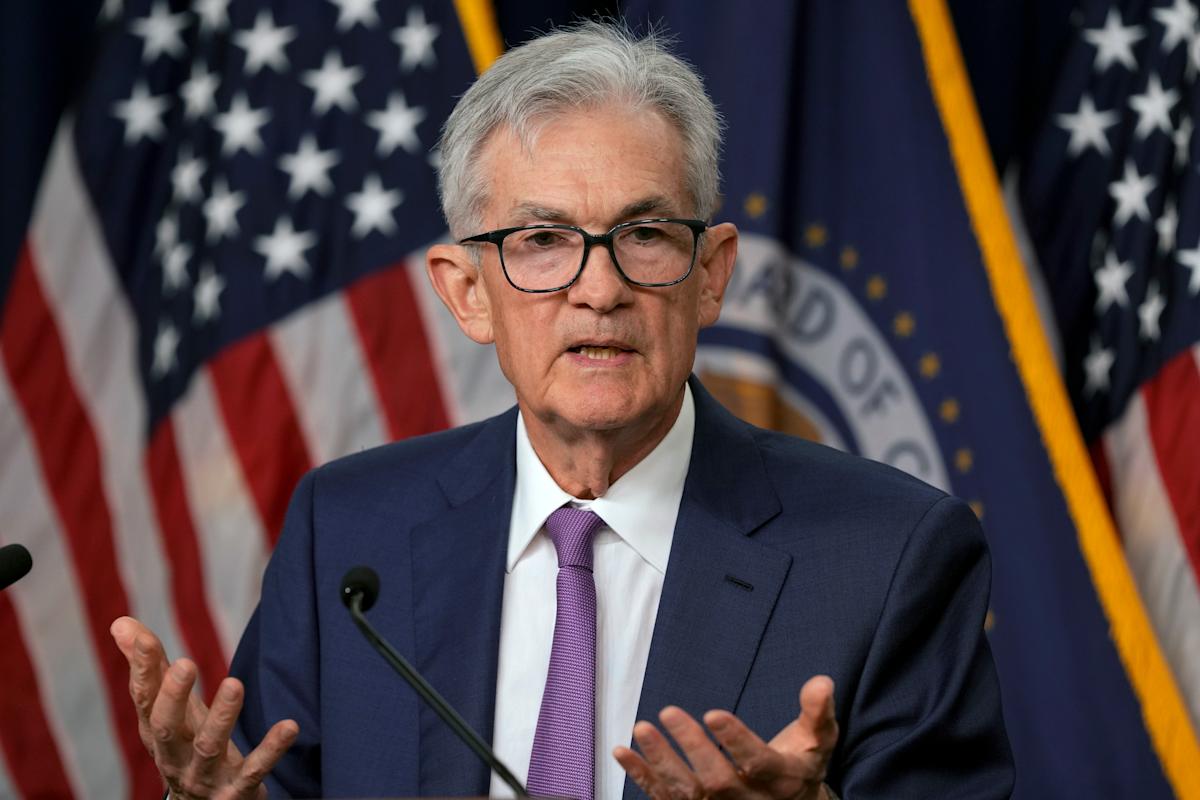
Knowing how the Federal Reserve’s monetary policy decisions impact your interest earnings over time is key to making an informed decision about where to put your money. With another potential rate cut on the horizon for 2026, a certificate of deposit (CD) may be the best option.
CDs can be a smart way to guarantee steady returns, especially if interest rates are expected to fall in the near future. Here’s why you may want to consider opening a CD before the Fed’s next meeting.
A CD is a type of bank account that requires you to keep your money on deposit for a set period of time, known as the term. CD terms can range from a few months to several years.
In exchange for keeping your money tied up, CDs pay a fixed interest rate for the entire term. And CD rates are typically higher than what you’d get from a regular savings account. Once the CD reaches its maturity date, you can withdraw your original deposit, plus the interest that has accrued.
Read more: Fixed rate vs. variable rate: What’s the difference, and why is it important?
The federal funds rate is the target interest rate set by the Federal Reserve. It determines the rate that banks charge one another to borrow funds overnight in order to meet reserve requirements.
The federal funds rate is expressed as a range, which is currently 3.5%–3.75%. Banks negotiate a specific rate between each other within that range.
The Fed uses the federal funds rate as a tool to quell inflation. When inflation is high, the Fed raises its target rate to make borrowing money more expensive, which discourages consumer spending and helps bring everyday costs down. When the economy needs a boost, the Fed might initiate a series of rate cuts to encourage more spending and borrowing.
Read more: A look at the federal funds rate over the past 50 years: How has it changed?
Changes to the federal funds rate have major implications for financial institutions and the economy at large. But these decisions also affect your bottom line.
Although the Fed’s rate doesn’t directly impact the interest rates set by individual banks for consumer deposit accounts and loans, they are closely correlated. When the Fed raises its rate, for example, interest rates on deposit products — including savings accounts and CDs — also tend to go up. And when it lowers its rate, deposit interest rates generally fall.
The Fed will meet again on Jan. 27-28 and decide whether or not to adjust the federal funds rate. In its last meeting, the committee cut the target range for the federal funds rate to 3.5%–3.75%. Though another rate cut is unlikely this week, it’s not possible to predict the Fed’s next move. And experts believe that the Fed will cut its rate again at some point this year.
Read more: What time is the Fed’s meeting?
If the Fed does decide to lower the federal funds rate again, CD rates will soon start dropping. However, if you open a CD in the next few days, you will lock in today’s higher rates on your balance and continue earning that higher rate even as deposit rates go down.
Even so, we can’t know for sure what will happen. So, while you wait for the Fed’s official announcement about how rates will change (or not), it could be a good time to evaluate where you’re currently keeping your savings and consider opening a new CD.
Should the Fed decide to keep rates the same, it won’t have a direct impact on CD rates, which means now is as good a time as any to open an account and take advantage of historically high interest rates. As it stands, the best CD rates today hover around 4% and up.
But if the Fed does decide to lower rates, now might be your last chance to lock in today’s competitive CD rates.






Leave a Reply