
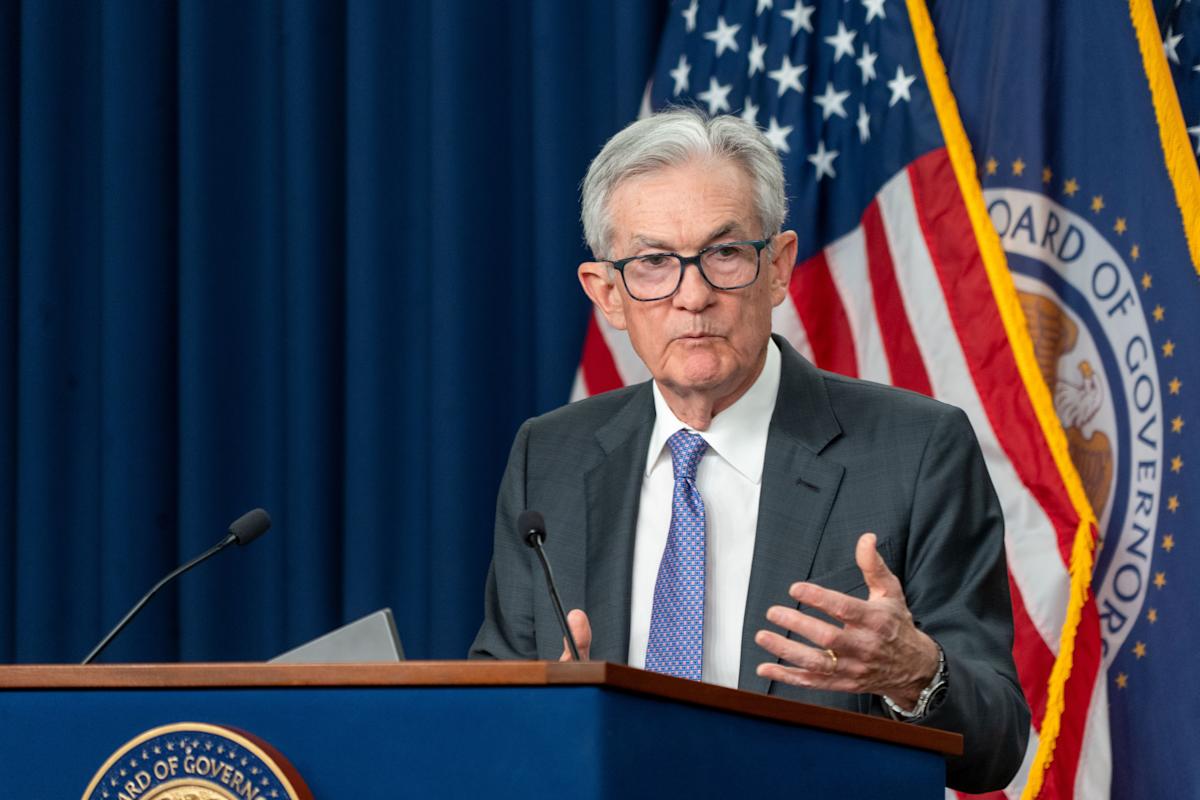
The Federal Reserve’s Open Market Committee (FOMC) is expected to leave interest rates unchanged this week. While mortgage rates often anticipate a Fed rate move, rising or falling well before the FOMC announces its decision, rates have found another motivator: President Trump.
When the Fed goes into its “wait and see” mode, as it is now, mortgage rates look for a catalyst elsewhere. Current Fed funds futures, as measured by the CME Group, expect a quarter-point rate cut no sooner than June. But mortgage rates have done anything but wait.
In a Jan. 21 analysis, Joel Kan, vice president and deputy chief economist of the Mortgage Bankers Association, noted recent lower home loan rates.
“Mortgage rates declined further last week, driving another big week for refinance applications, which saw the strongest level of activity since September 2025,” Kan said. Loan applications, as measured by the MBA composite index, increased by over 14% from the previous week, and refinancing rose by 20% over the same one-week period. Refinances were 183% higher than the same week one year ago.
On Thursday, Jan. 22, Freddie Mac reported that 30-year fixed-rate loans increased by only three basis points from the three-year low of 6.06% reported just last week.
Without a Fed rate cut in sight, what moved rates over the past two weeks? It was President Trump announcing potential housing affordability initiatives.
The Trump White House has been pumping out home affordability ideas at a surprising rate:
The result? Since the initiatives were announced beginning on Jan. 7, 30-year mortgage rates dropped from 6.16% to 6.06% — before rebounding to 6.09%.
Lately, some lenders have been offering sub-6% mortgage rates, according to a Yahoo Finance survey of lenders with the best rates this week.
Still, the Federal Reserve has a role to play in influencing 2026 mortgage rates. The Fed is generally expected to make one, possibly two, interest rate cuts this year. However, there are some doubts on Wall Street.
“If the labor market weakens again in the coming months, or if inflation falls materially, the Fed could still ease later this year,” Michael Feroli, chief U.S. economist at J.P. Morgan, said in a research note on Jan. 16.
Yet, J.P. Morgan expects inflation to continue gradually declining and the labor market to tighten by the second quarter of 2026. With that, the firm is predicting the next quarter-point move to be a rate hike in the third quarter of 2027.
With the prospect of a new Fed Chairman being named this year when Jerome Powell’s term ends in May, predicting future Fed rate moves may become even more difficult.
With the next Fed meeting this week, and the FOMC expected to stand pat at least until June, what will happen with mortgage rates?
LoanDepot’s head economist Jeff DerGurahian doesn’t expect any “sustainable” moves downward for mortgage rates in the short term. He’s watching 10-year Treasury yields to see if they continue to settle in the 4.2% to 4.3% range.
“The rate improvements seen last week following the administration’s $200 billion mortgage-bond purchase announcement could be undone if Treasury yields continue to drift higher within this new range,” he told Yahoo Finance.
DerGurahian will also look for a “shift in the Fed’s tone indicating greater confidence that inflation is firmly trending toward its target” at this week’s Fed meeting.

Laura Grace Tarpley edited this article.









Leave a Reply