
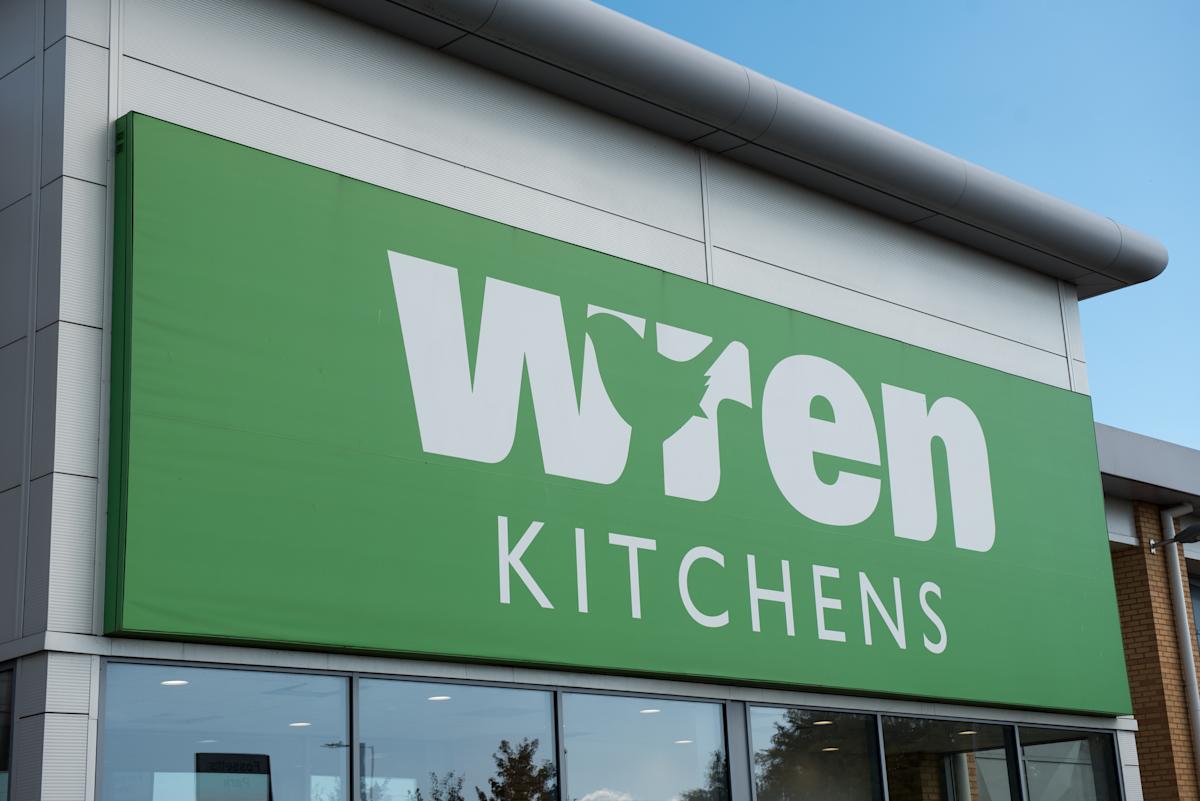
Customers who’ve spent big money on kitchen upgrades are reeling from the news that Wren Kitchens has filed for Chapter 7 bankruptcy. All 15 of its U.S. locations, as well as “studio” displays inside Home Depot stores, have been shuttered.
The company still touts itself as the number one kitchen retailer in the UK, as the bankruptcy impacts only American operations, most of which are based on the East Coast.
If you have a pending order or installation with Wren Kitchens, here is what you need to know.
Will Wren Kitchens customers get refunds?
Wren Kitchens closed all U.S. operations and terminated employees without notice. Will customers with pending orders get refunds? At this point, there is little indication they will.
One customer in the Philadelphia area told NBC10 that he had a pending order with a $13,000 deposit that the now-defunct company had cashed.
“As soon as they got our money, a month later, they closed. I haven’t slept since,” he said. He added that attempts to reach the company were only available through a contact form on the company’s website. He’s received no response.
The customer said he and his wife had saved for five years to purchase a new kitchen, but now have little hope of getting their $13,000 deposit back.
Customers in Connecticut reported losing deposits of $20,000 or more.
What is a Chapter 7 bankruptcy?
A Chapter 7 bankruptcy is one of four legal designations for entities or individuals facing overwhelming debt:
-
Chapter 7 is a complete liquidation of a company’s or an individual’s assets. Proceeds of the sale are distributed to creditors.
-
Chapter 11 involves a reorganization plan approved by a court to rebuild financial stability.
-
Chapter 13 is another attempt to repay creditors, often used by an individual with a steady income, submitting a plan of future repayment based on a percentage of income.
-
Chapter 12 is dedicated to family farmers or fishermen seeking to propose a repayment plan to creditors, generally over three years.
Should you notify your bank or credit card company?
Absolutely. You can ask your bank or credit card company to reverse payments or issue a chargeback dispute.
If you have a pending or unfulfilled order, retain all documents related to check or credit card payments made to Wren Kitchens. That might include invoices, emails, and financing agreements.
Sign up to be alerted for the opening of the creditor claims process
Follow the bankruptcy filing by clicking on “start monitoring this case” here. That will notify you of any new information related to the liquidation, including the opening of the creditor claims process.
Of course, companies with the largest debts will likely be first in line for the recovery efforts.
Other actions you might consider
Use this Wren Kitchens contact form to create a support request. While a response may be wishful thinking, keeping a record of all contact with the company may be useful when pursuing future action, including any possible class action lawsuit.
You might also contact your state Attorney General’s office or state Department of Consumer Protection.
Connecticut’s Department of Consumer Protection urges consumers to send a written letter by certified mail to the location where they made their purchase, requesting a refund within 10 days.
The risk of large down payments or deposits
With any extensive home improvement project, there is always a risk when making a large payment to a merchandise provider or contractor. While the Wren Kitchens bankruptcy is not a typical situation, the stories of customers with kitchens gutted, waiting on new cabinets and appliances, are wrenching.
The Federal Trade Commission offers helpful information on dealing with large-scale home upgrades, contractors, and home improvement loan scams.
Yet, large retailers declaring Chapter 7 bankruptcy leave consumers at a high risk.
“In a Chapter 7 case, if you have a claim for a refund, return, or deposit, you must file a claim with the bankruptcy court,” Brian D. Spector and David Edelberg, partners at the Scarinci-Hollenbeck law firm in New York City, wrote last year after a rash of retail bankruptcies. “However, customers, which are considered unsecured creditors, are generally at the back of the line in terms of who gets paid from the bankruptcy estate.”











Leave a Reply