
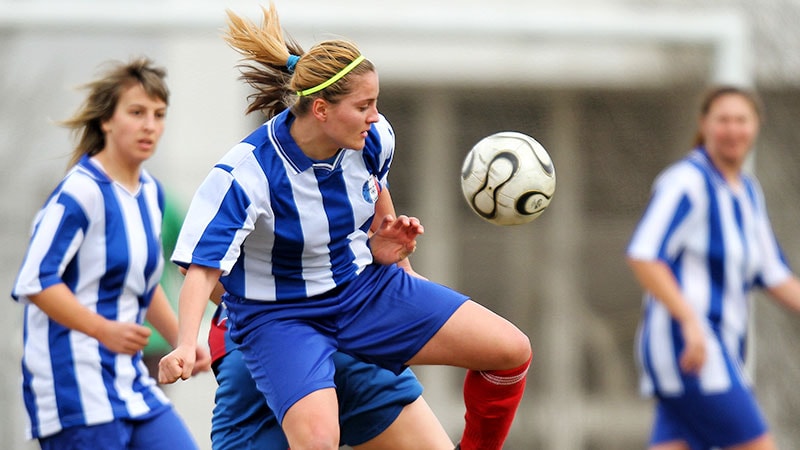
The menstrual cycle has clinically relevant implications for injury severity and recovery in elite female footballers, according to prospective data from Spain’s top women’s league.
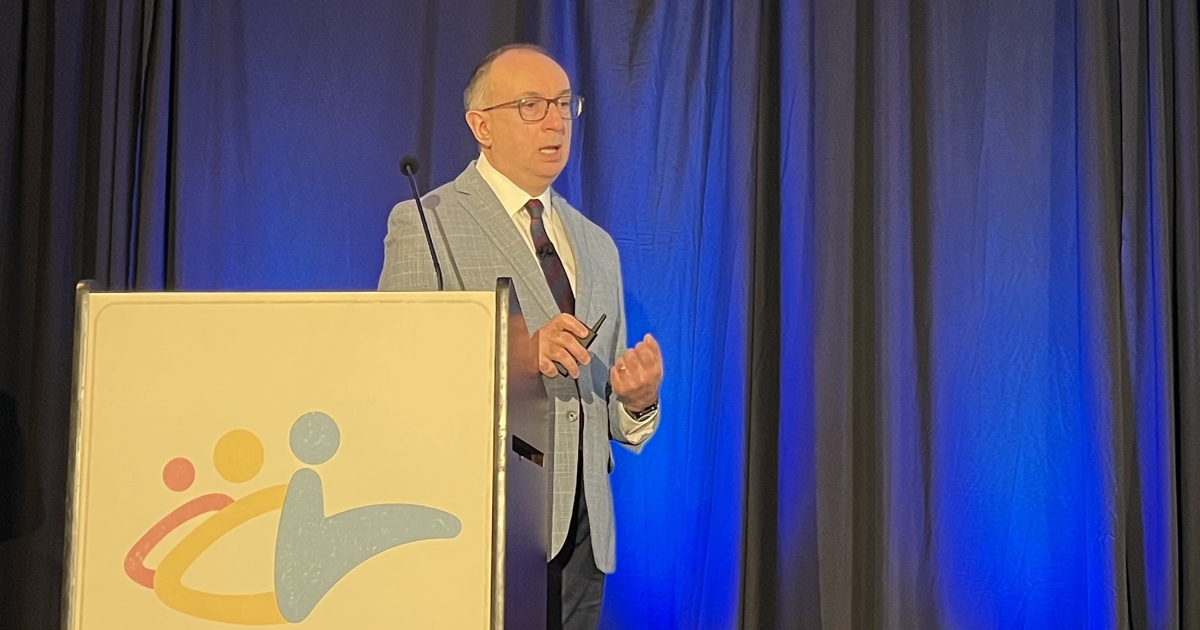
Speaking with Univadis Spain, part of the Medscape Professional Network, Eva Ferrer, MD, sports medicine specialist at FC Barcelona Medical Department (FIFA Medical Centre of Excellence) and Barça Innovation Hub in Barcelona, Spain, and lead author of the study published in Frontiers in Sports and Active Living, said, “The menstrual cycle is a physiological part of women’s lives and is obviously linked to health.” Ferrer examined the influence of the menstrual cycle on injury risk in elite female athletes.
The research was conducted on professional footballers from Spain’s Liga F. Results showed that injury incidence is similar during menstrual bleeding compared with non-bleeding days in elite female football players. However, injuries occurring during menstruation are associated with a significantly higher burden, suggesting an increased risk for more severe injuries during this phase.
Study Design
To reach these conclusions, researchers prospectively collected data on menstrual cycles and injuries from 33 elite women footballers across four different seasons. The menstrual cycle was tracked using a calendar-based digital tool, and injuries were classified using the Orchard Sports Injury Classification System version 10.
According to Ferrer, the study focused primarily on soft tissue injuries. “We were looking for musculoskeletal soft tissue injuries, but we recorded all injuries occurring throughout the season, not only those linked to routine assessment points. Therefore, there was no bias,” she said.
Menstrual cycle data were self-reported via a club-managed app on the onset and cessation of menstrual bleeding. Only bleeding days were used for the phase classification. Non-bleeding phases were treated as a composite phase due to the absence of hormonal data. “It is not always possible to collect samples and use biomarkers, but we do know that hormone levels, such as estrogen, are low at a specific point in the cycle. That is why we designed the study this way,” Ferrer said. She has previously published related studies in the same journal that included biological samples from the players, using saliva or blood.
“Any research we conduct at the Barça Innovation Hub related to injuries or the menstrual cycle prioritizes health,” Ferrer said. “Knowing whether there is bleeding or not helps us identify whether women may have alterations that lead to abnormal cycles, which typically last between 28 and 35 days, with bleeding usually lasting between 2 and 5 days.”
Injury Patterns
In the new study, researchers calculated injury incidence rates per 1000 hours of exposure and compared them between bleeding and non-bleeding phases. Among 852 menstrual cycles analyzed, 80 injuries were recorded. Of these injuries, 18 (22.5%) occurred during matches and 62 (77.5%) occurred during training.
The most common injury types were muscle injuries, accounting for 57.5%, followed by ligament injuries at 30% and tendon injuries at 12.5%. Injuries occurring during the bleeding phase represented 13.7% of all cases but resulted in some players spending three times as many days away from the pitch.
“As a healthcare professional, when a situation, pathology, or injury occurs in a player, the first step is to understand the reason and then look for a solution, starting from the most basic to the most advanced and costly,” Ferrer said. She emphasized that athlete health management should be individualized, including adjustments to training load.
According to Ferrer, individualized medical care is essential not only for footballers but also for women more broadly. “Each woman has her own characteristics and needs. It is crucial to understand the starting point. A football player does not have the same needs as a swimmer, and an 18-year-old does not have the same needs as a 40-year-old, among other examples. That is why individualization is essential,” she said.
She also advocates for more research in this area. “Although there is increasing scientific literature on women’s sport in general, and football in particular, there are still relatively few publications with strong levels of evidence. We are still quite far behind,” Ferrer concluded.
The authors reported having no relevant conflicts of interest.
This story was translated from Univadis Spain.
<









Leave a Reply