
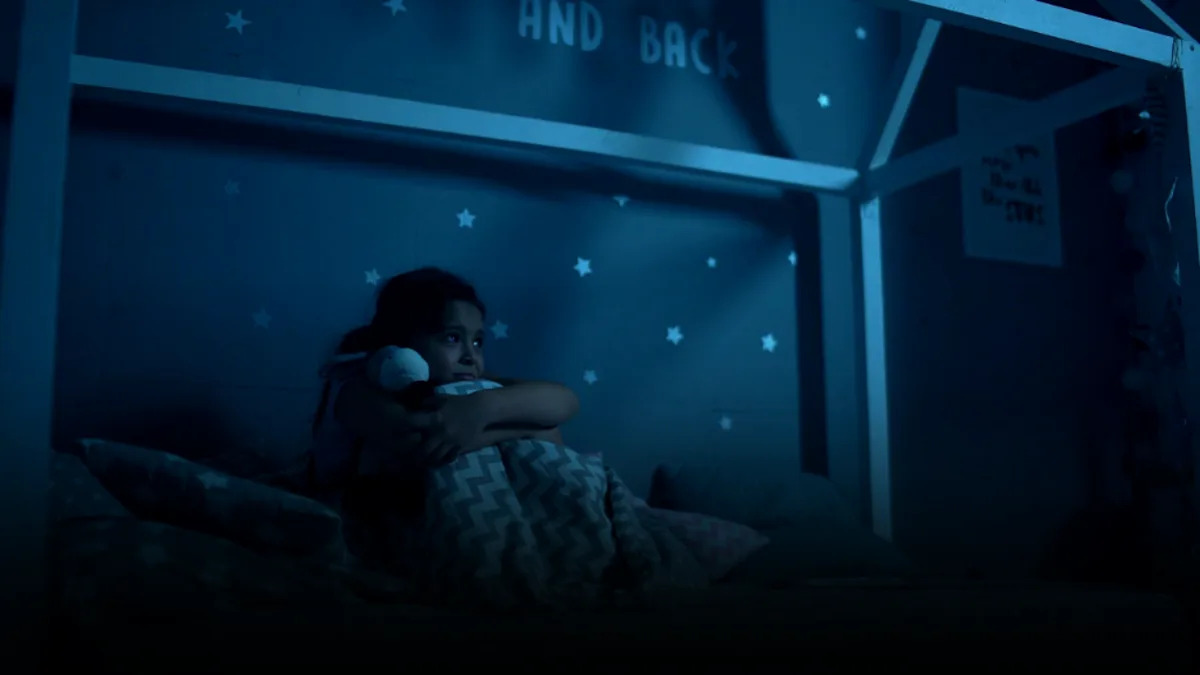
New research from the University of Oklahoma and the University of Tulsa is offering a more structured way to understand—and treat—chronic nightmares in children. Published in Frontiers in Sleep, the study introduces the DARC-NESS model, a cognitive-behavioral framework that explains how nightmares can become a recurring cycle. According to the model, fear after waking—combined with a child’s hesitation or refusal to go back to sleep—can reinforce and prolong nightmare patterns, effectively creating a bedtime anxiety loop. Rooted in Cognitive Behavioral Therapy, the approach focuses on individualized evaluation. Researchers emphasize assessing a child’s dream content, emotional reactions, coping skills, sleep habits, and overall sleep quality to better understand what’s driving the nightmares. Lisa Cromer explains that waking up mid-nightmare can disrupt the brain’s natural fear-processing mechanisms, while Tara Buck highlights the importance of helping children regain a sense of control over their sleep experiences. The framework outlines several practical strategies, including reducing bedtime anxiety, strengthening nighttime routines, using breathing and relaxation techniques, and incorporating exposure-based rehearsal—where children revisit and reshape their nightmares into less distressing outcomes. Rewriting the ending of a nightmare is one example of this method, giving kids a more active role in managing their fears. Researchers also note that biological factors and lifestyle habits can play a role, reinforcing the need for a comprehensive approach to pediatric sleep care rather than a one-size-fits-all solution.













Leave a Reply