
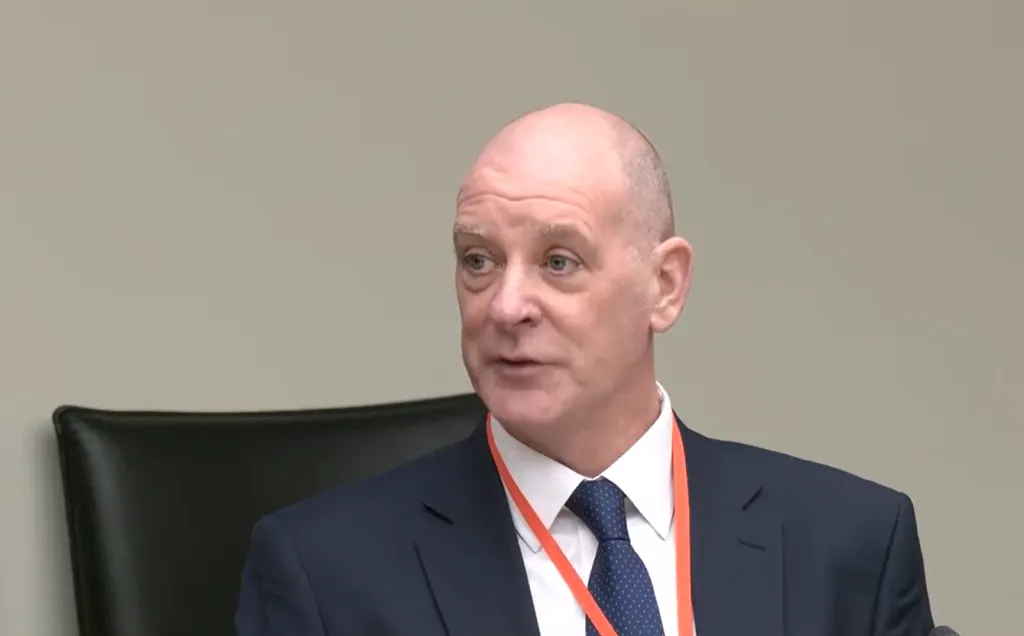
“Sepsis does not wait – and neither should we,” Professor of Precision Therapeutics tells TDs and Senators
Patients in Ireland are deteriorating from sepsis before treatment begins, leading to preventable deaths, an Oireachtas briefing has heard.
Sepsis, a life-threatening response to infection, ffects an estimated 49 million people globally each year and causes approximately 11 million deaths. The condition can kill within 12 hours if not recognised and treated quickly. Yet failures in early recognition, escalation, and timely intervention continue to cost lives, TDs and Senators heard.
The briefing, delivered by RCSI Professor of Precision Therapeutics Steve Kerrigan, alongside sepsis advocates Ciaran Staunton and Sinéad O’Reilly, highlighted both the human impact and the systemic failures contributing to avoidable deaths. The group was hosted by Senator Aubrey McCarthy and the briefing was attended by a large group of TDs and Senators.
Ms O’Reilly described the death of her sister-in-law Sarah, a 34-year-old mother of newborn twins, whose care was later found to involve failures in recognising and responding to sepsis.
Mr Staunton outlined the loss of his son Rory, aged 12, and the subsequent introduction of Rory’s Regulations in New York, mandatory hospital protocols that have improved early recognition and treatment of sepsis and saved lives.
A sepsis survivor, Liam Casey, was also present, highlighting the long-term physical and psychological impact faced by those who survive the condition. “The protocols already exist. We know what works. The issue is implementing them consistently,” Mr Staunton said.
Speaking at the briefing, Prof Kerrigan said the issue is not a lack of clinical knowledge: “It is a failure of the system to act in time,” he said. “Patients are deteriorating in hospital before the system responds.”
An external review into Sarah’s care later identified failures in recognising a deteriorating patient and activating sepsis protocols. The briefing also warned that sepsis is becoming harder to treat due to rising antimicrobial resistance.
“Sepsis depends on antibiotics—and they are failing. There is no backup plan. This fundamentally changes the risk landscape,” Prof Kerrigan said.
Speakers called for sepsis to be recognised as a patient safety and system performance issue, requiring consistent national implementation of existing protocols. Ireland’s upcoming EU Presidency was highlighted as a key opportunity to lead coordinated action at European level.
“Where a patient is treated can determine whether they live or die. That is not acceptable,” Prof Kerrigan said. Advocates are now working to align national and European stakeholders, including the European Sepsis Alliance, to ensure a coordinated response.
The briefing concluded with a stark message: “Sepsis does not wait – and neither should we. Ireland now has a choice, to lead, or to accept that preventable deaths will continue.”
<











Leave a Reply