

Key takeaways:
- Patients with high meibomian gland dysfunction were older and more myopic.
- Asymptomatic MGD can affect structural measurements and functional vision.
Screening for asymptomatic meibomian gland dysfunction in candidates for refractive surgery is recommended due to a high prevalence of the condition, according to a study published in Journal of Refractive Surgery.
Shawn Sapir, MD, of the department of ophthalmology, Barzilai University Medical Center, Israel, and colleagues wrote that irregularities in the tear film, including those caused by meibomian gland dysfunction (MGD), can change baseline measurements critical to the success of refractive surgery.

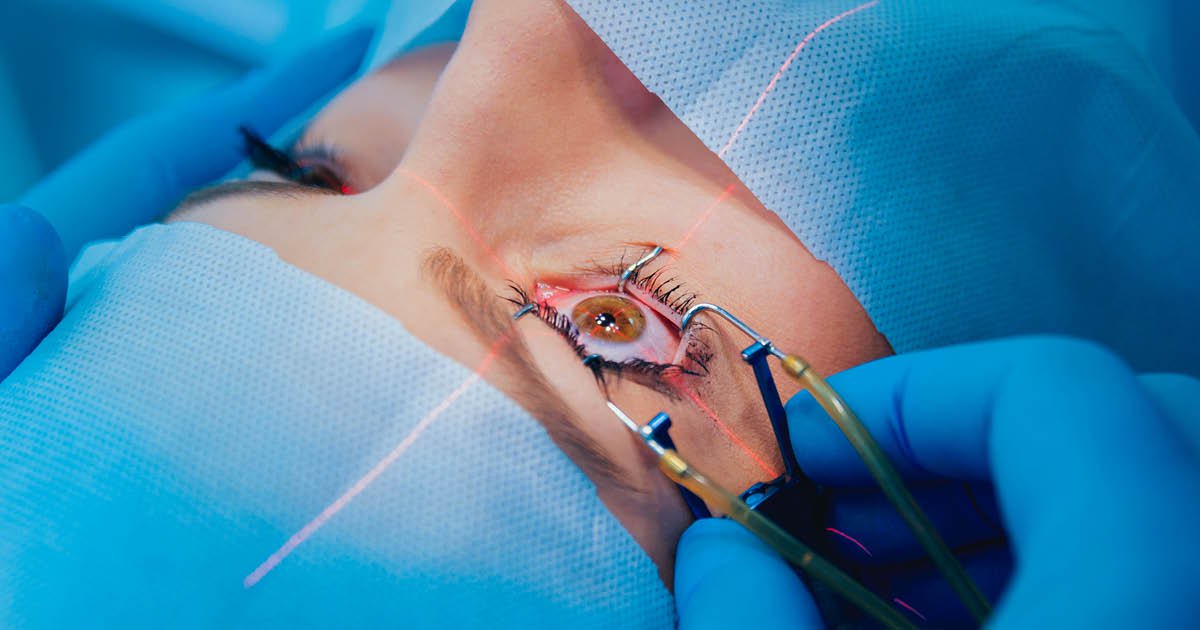
Data were derived from Sapir S, et al. J Refract Surg. 2026;doi:10.3928/1081597X-20260112-08. Image: Adobe Stock
“Although previous investigations have examined MGD in dry eye cohorts, few have systematically evaluated preoperative clinical, biometric and functional parameters in asymptomatic individuals presenting for refractive correction,” they wrote. “The extent to which MGD severity relates to age, myopia, corneal morphology, contact lens habits or contrast acuity remains insufficiently characterized.”
Sapir and colleagues conducted a retrospective case-control study of 3,472 eyes that underwent evaluation for refractive surgery at a single center between 2019 and 2024. After reviewing electronic health records, they included patients who had a complete MGD evaluation, were eligible for laser vision correction and achieved stable refraction for at least 12 months before surgery, according to the study.
Eyes were classified based on MGD grading determined by the “expressibility and quality of secretions” during a standardized digital expression of the central third of each eyelid. The group classified as high MGD included 1,731 eyes (49.9%) with MGD grades of 2 to 3. The group classified as low MGD included 1,741 eyes (50.1%) with MGD grades of 0 to 1, according to the study.
“Patients with high MGD were significantly older than those with low MGD (27.4 years ± 8.2 years vs. 24.5 years ± 6.4 years; P < .001),” the authors wrote. “The high MGD group was also more myopic (–4.3 D ± 2.73 D vs. –3.5 D ± 2.25 D; P < .001), a finding confirmed by cycloplegic autorefraction.”
Sapir and colleagues wrote that high MGD was also associated with worse uncorrected and corrected distance visual acuity as well as reduced contrast acuity even though all eyes had normal tear breakup time and no dry eye symptoms. The authors wrote that this demonstrates that asymptomatic MGD can lead to issues with functional vision in addition to problems measuring structural elements.
“These findings establish asymptomatic MGD as a significant and often overlooked variable in refractive surgery planning and highlight the importance of incorporating routine gland evaluation into the preoperative assessment,” Sapir and colleagues wrote. “Further prospective studies using objective gland imaging, detailed tear film metrics and long-term postoperative follow-up are warranted to refine screening protocols and optimize refractive outcomes.”
Perspective
Back to Top

Renato Ambrósio Jr., MD, PhD
Instituto de Olhos Renato Ambrósio & Rio Vision Hospital, Rio De Janeiro
Disclosures: Ambrósio reports no relevant financial disclosures.

Ask a clinical question and tap into Healio AI’s knowledge base.
- PubMed, enrolling/recruiting trials, guidelines
- Clinical Guidance, Healio CME, FDA news
- Healio’s exclusive daily news coverage of clinical data
<













Leave a Reply