
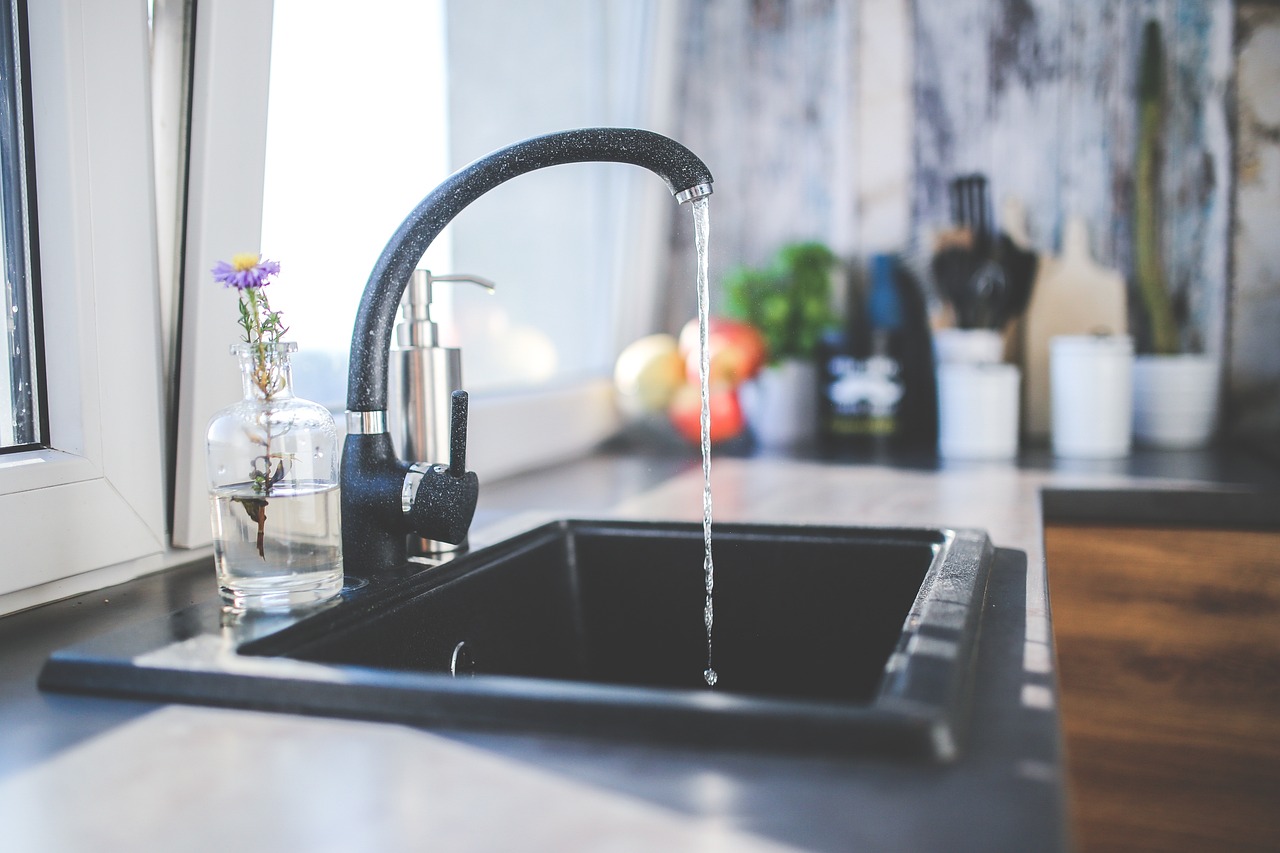
The idea that a toilet is the dirtiest place in the home feels intuitive, but research consistently shows that kitchen sink bacteria can be far more concentrated and dangerous.
While toilets are regularly disinfected, kitchen sinks are often overlooked despite constant exposure to food scraps, moisture, and contaminants. This combination creates the perfect environment for harmful microbes like E. coli and the formation of biofilm, increasing the risk of illness through everyday use.
What Makes Kitchen Sink Bacteria Thrive?
Kitchen sinks provide an ideal breeding ground for bacteria due to three main factors: moisture, warmth, and organic material. Every time dishes are rinsed or food is washed, tiny particles of food residue remain behind. These particles settle into crevices, drains, and sponge surfaces, feeding bacterial growth.
Over time, this buildup leads to the formation of biofilm, a slimy layer of microorganisms that clings to sink surfaces and pipes. Biofilm acts as a protective shield for bacteria, making them harder to remove with simple rinsing. Without proper cleaning, bacteria multiply rapidly and spread throughout the sink area.
Common Types of Kitchen Sink Bacteria
Several types of harmful bacteria are commonly found in kitchen sinks, many of which are linked to foodborne illnesses:
- E. coli, often introduced through raw meat or unwashed produce
- Salmonella, another major cause of food poisoning
- Campylobacter and other pathogens that thrive in moist environments
These bacteria can easily transfer from the sink to dishes, utensils, and hands, leading to cross-contamination. For example, washing raw chicken in the sink can spread bacteria to nearby surfaces, even if they appear clean.
Why Kitchen Sinks Can Be Dirtier Than Toilets
Although it may sound surprising, kitchen sinks can harbor more bacteria than toilets for several reasons. Toilets are typically cleaned frequently with strong chemical cleaners designed to kill germs. In contrast, kitchen sinks are used multiple times a day but are often cleaned less thoroughly.
Another key factor is perception. Many people assume that because water flows through the sink, it stays clean. In reality, water alone does not remove bacteria or biofilm. Without regular scrubbing and proper disinfection, microbes continue to build up beneath the surface.
Signs of Kitchen Sink Bacteria Buildup
A contaminated sink doesn’t always look dirty, but there are warning signs to watch for:
- Persistent unpleasant odors coming from the drain, often caused by biofilm
- Slimy or sticky surfaces along the sink or drain edges
- Discoloration or residue that returns quickly after rinsing
These signs indicate that bacteria are actively growing and that deeper cleaning is needed.
How to Clean Kitchen Sink Bacteria Effectively
Maintaining a clean sink requires consistency and the right approach. Simple rinsing is not enough to remove bacteria or prevent buildup, according to the World Health Organization.
Start with daily cleaning using hot soapy water to wash away grease and food residue. This step helps reduce the nutrients bacteria rely on to grow. Follow up with regular scrubbing, paying close attention to the drain, faucet, and corners where grime tends to accumulate.
For deeper cleaning, apply a disinfectant at least once or twice a week. Products containing bleach or vinegar are effective at killing bacteria and breaking down biofilm. Let the solution sit for a few minutes before rinsing to ensure proper sanitation.
The Role of Clean Sponges in Preventing Bacteria
Even with a clean sink, dirty tools can reintroduce bacteria. Sponges, in particular, are known to harbor high levels of microbes because they remain damp and absorb food residue.
Using clean sponges is essential to preventing the spread of bacteria. Sponges should be sanitized regularly, either by microwaving them while damp for a short period or soaking them in a disinfectant solution. Replacing sponges frequently is another effective way to limit bacterial growth.
Preventing Cross-Contamination in the Kitchen
Reducing cross-contamination is key to maintaining a hygienic kitchen environment. Small habits can make a significant difference:
- Avoid placing raw meat directly in the sink without proper cleaning afterward
- Wash your hands thoroughly after handling raw ingredients
- Keep separate areas or tools for raw and cooked foods
- Rinse and dry the sink after each use to reduce moisture
By minimizing the transfer of bacteria between surfaces, the overall risk of contamination decreases, as per the Centers for Disease Control and Prevention.
Simple Habits to Control Kitchen Sink Bacteria
Keeping the kitchen sink bacteria under control doesn’t require complicated routines. Instead, consistency and awareness are what matter most.
- Clean the sink daily with hot, soapy water
- Disinfect weekly using bleach or vinegar
- Practice regular scrubbing to prevent buildup
- Remove visible food residue immediately
- Use and maintain clean sponges
These habits help prevent biofilm formation and reduce the likelihood of harmful bacteria spreading throughout the kitchen.
Keeping Kitchen Sink Bacteria Under Control Starts with Daily Habits
Managing kitchen sink bacteria comes down to understanding how easily germs can accumulate in overlooked spaces. With constant exposure to moisture, food residue, and contaminants like E. coli, the kitchen sink can quickly become a hotspot for bacterial growth.
However, simple steps such as regular scrubbing, using hot soapy water, applying a reliable disinfectant, and choosing clean sponges can significantly reduce risks. Consistent care not only keeps the sink cleaner but also helps prevent cross-contamination, creating a safer and more hygienic kitchen environment overall.
Frequently Asked Questions
1. How often should a kitchen sink drain be deep-cleaned?
At least once a week to prevent biofilm buildup and reduce odors.
2. Is a stainless steel or a ceramic sink more hygienic?
Stainless steel is generally more hygienic because it’s less porous and easier to disinfect.
3. Can pouring boiling water kill kitchen sink bacteria?
Boiling water can help reduce grease and some bacteria, but it won’t fully remove biofilm or disinfect surfaces.
4. Are natural cleaners as effective as chemical disinfectants?
Natural options like vinegar can help with mild cleaning, but stronger disinfectants are more effective against harmful bacteria like E. coli.
<












Leave a Reply