
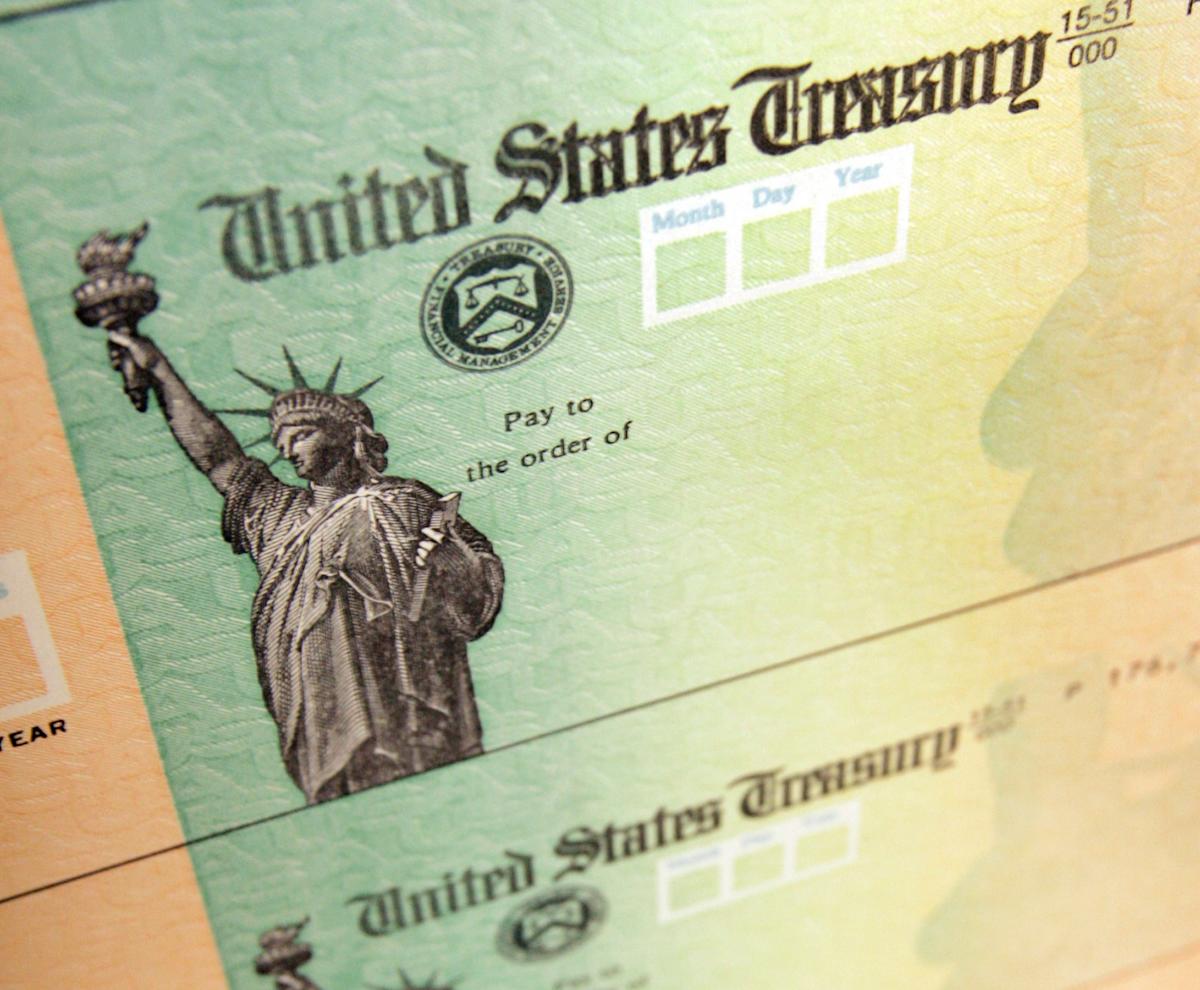
According to an early read of tax-filing data from the Internal Revenue Service (IRS), the average refund amount is $3,676 — up over 10% from last tax season.
So, what should you do with your tax refund this year? Here are five smart ways to put that bigger refund to good use, from building an emergency savings to investing in your long-term goals.
Tax law changes, such as a larger standard deduction, state and local tax (SALT) deduction increase, child tax credit, and more, are major contributors to the supercharged refund. And because many of these changes happened mid-year, filers may not have gotten around to adjusting their tax withholding.
Been meaning to put away some savings, but keep getting sabotaged by unexpected bills? A tax refund is the perfect seed money for an emergency savings fund.
Emergency savings, sometimes called rainy-day funds, can help support your family during a job loss, which often involves not just the loss of income but also healthcare. Or it could front money for unexpected costs, such as car or home repairs.
How much should you have squirreled away in an emergency fund? Any cash is better than nothing, but experts encourage putting away savings equivalent to three to six months’ worth of expenses.
Read more: What is an emergency savings fund?
Dumping a sizable portion of your refund check into a savings account to keep it safe from impulse buys isn’t a bad idea. But it’s important to remember that not all savings accounts are created equal when it comes to interest rates.
You’ll get more bang for your buck by leaning into high-yield savings accounts, money market accounts, or a high-yield CD (certificate of deposit). While those high APYs are a big benefit, there are some drawbacks, such as restricted access to your funds and scheduled minimum deposits. Understanding how these accounts work is crucial before putting your money into one.
And be sure to choose a bank that’s FDIC-insured. The Federal Deposit Insurance Corporation (FDIC) is a government agency that insures your bank deposits up to $250,000 per depositor, per bank, in case of bank failure.
Read more: Best high-yield savings accounts right now
One of the most effective things you can do with your refund check is pay down debt. Eliminating your credit card debt and any others with interest rates in double-digit territory is a solid investment in your financial future.
If you don’t have high-interest debt, you can make extra payments on student loans, a car loan, medical debt, or even a home loan.
Read more: The best ways to pay off credit card debt
Thanks to the magic of compound interest, putting your refund check into a retirement account is an investment strategy that pays serious dividends.
You can contribute up to $24,500 to a 401(k) and $7,500 to an IRA annually. Not only could your tax windfall boost these savings, but the accounts also grow tax-free. You generally only pay income tax when you begin taking withdrawals.
Just be sure you understand the rules (beyond contribution limits) for the different types of retirement accounts. For example, whether you have a traditional or Roth 401(k) versus an IRA will determine how it’s taxed.
Take time to carefully consider your personal finance goals and put your individual income tax refund to work toward them. Some possibilities include:
-
Contribute to a 529 college savings plan. New rules signed into law in 2025 mean these tax-free savings plans can also be used to pay back student loans.
-
Invest in career training or higher education.
-
Start a brick-and-mortar business, online store, or side hustle.
-
Purchase life insurance.
-
Fund home improvements.
Read more: Where’s my refund? How to check your federal tax refund status
A large tax refund may sound exciting, but it’s not a bonus. It’s money you could’ve had access to throughout the year.
Taxpayers receive large refunds when they overpay their tax bill. That’s hard-earned money that could’ve gone toward an emergency fund, high-yield savings account, or many of the other strategies listed above — but instead went to the government as an interest-free loan.
If you tend to get large tax refunds, consider adjusting your tax withholding. Fill out Form W-4 to let the IRS know to take less from each paycheck.
But consider using the IRS Tax Withholding Estimator to make sure you don’t over-adjust. Insufficient withholding can result in a tax bill.
Read more: Why a bigger tax refund isn’t always better
Consider using your tax refund to secure your financial future, such as building up an emergency savings, paying down high-interest debt, or contributing to a 401(k) or IRA.
It can take 21 calendar days to receive your federal tax return if you file electronically. However, if you mail a paper tax return, that process can take six or more weeks from when the IRS receives your return. You can check your refund status using the IRS Where’s My Refund tool.
Since a refund from the IRS means you overpaid taxes, you ideally want that number as close to $0 as possible. To lower your risk of over-correcting and owing money, some experts suggest aiming for a refund of no more than $1,000.








Leave a Reply