
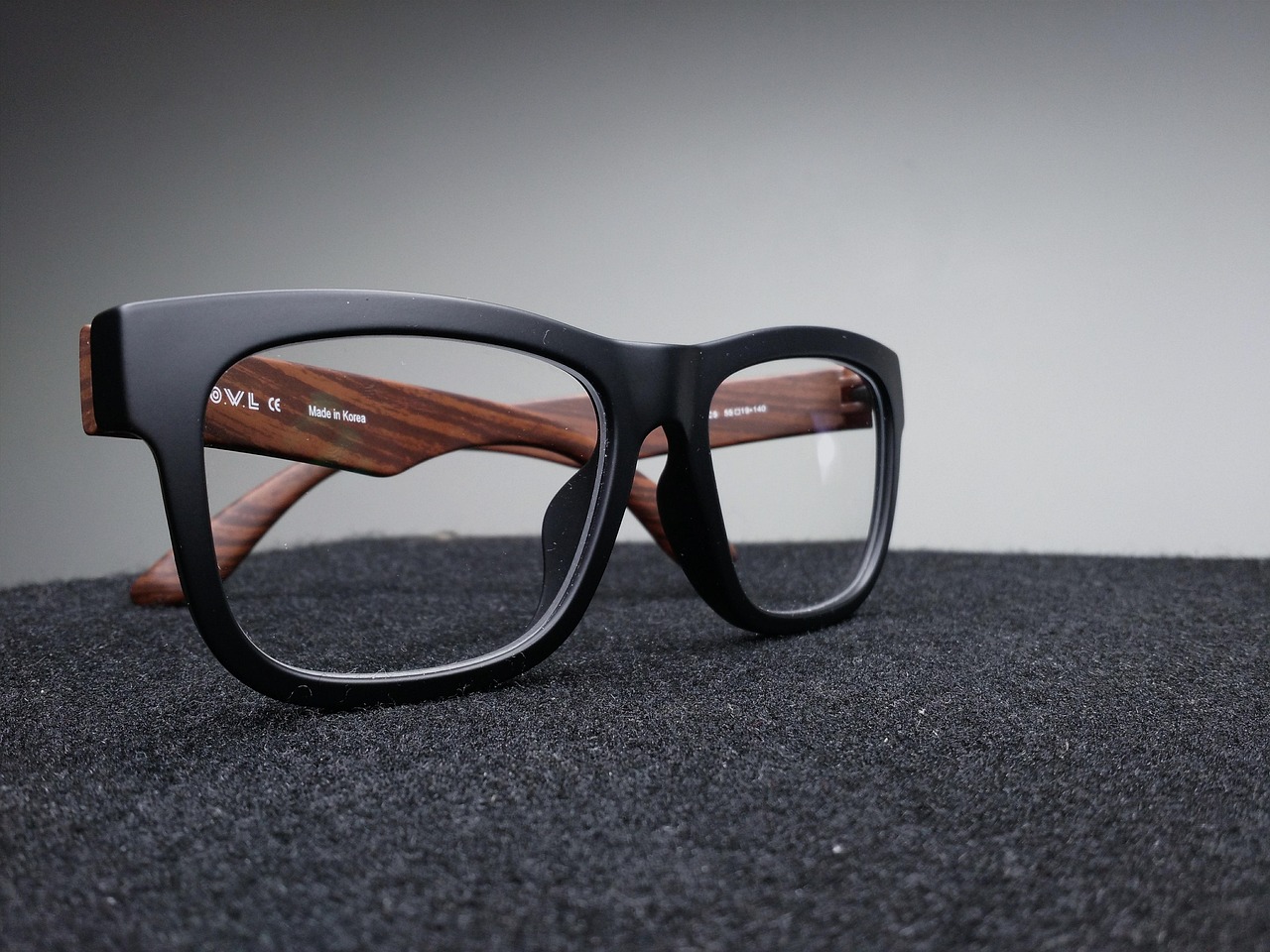
Blue-light glasses have surged in popularity as screen time dominates modern life, with manufacturers promising relief from digital eyestrain and better sleep quality. Despite their widespread appeal, scientific research presents mixed evidence on their effectiveness, though many users report modest comfort improvements and some studies suggest possible sleep benefits when used strategically before bedtime.
What Are Blue-Light Glasses and How Do They Work?
Blue-light glasses feature specialized lenses designed to filter out portions of the blue wavelength spectrum emitted by digital screens and LED lighting.
These lenses typically block between 20-30% of blue light, with variations ranging from clear lenses with anti-reflective coatings to amber-tinted options that filter more aggressively.
The glasses come in prescription and non-prescription versions, making them accessible to anyone concerned about screen exposure regardless of vision correction needs.
Understanding Blue Light Exposure
Blue light occupies the 400-500 nanometer wavelength range of the visible light spectrum, naturally abundant in sunlight but also emitted by smartphones, computer monitors, and LED bulbs.
While natural blue light exposure during daytime helps regulate alertness and mood, evening exposure can suppress melatonin production, the hormone responsible for signaling sleep readiness.
Digital devices emit significantly less blue light than the sun, yet their proximity to the eyes and usage patterns during evening hours raise concerns about cumulative effects on circadian rhythm and visual comfort.
The Mixed Evidence Behind Blue-Light Glasses
A comprehensive 2023 Cochrane review analyzing multiple studies found minimal evidence supporting blue-light glasses for reducing eyestrain or improving visual performance. The review noted that evidence quality ranged from low to very low, with some trials showing no measurable difference between blue-light filtering lenses and standard lenses.
Major medical organizations including the American Academy of Ophthalmology maintain that blue light from screens does not cause permanent eye damage, contradicting marketing claims about long-term eye protection.
Research from various institutions presents conflicting results, with some studies reporting subjective improvements while controlled trials struggle to demonstrate objective benefits. A 2017 systematic review specifically examining eyestrain reduction found limited scientific support for blue-light glasses as an effective intervention.
However, researchers acknowledge the challenge of isolating blue light effects from other factors like screen glare, viewing distance, and underlying vision problems that contribute to digital eyestrain.
Digital Eye Strain Relief: Modest Comfort or Marketing Hype?
Digital eye strain affects up to 69% of regular computer users, manifesting as headaches, dry eyes, blurred vision, and neck tension. While blue-light glasses promise relief, scientific evidence suggests any benefits may stem from anti-reflective coatings reducing screen glare rather than blue light filtration itself.
Experts note that wearing blue-light glasses might function partly as a placebo effect, where users feel they’re taking proactive steps for eye health even without measurable physiological changes.
Many wearers report subjective improvements in eye comfort and reduced headaches during extended screen sessions, though these anecdotal experiences don’t consistently translate to controlled study outcomes, according to Harvard Health.
The gap between user testimonials and laboratory findings suggests individual variation plays a significant role, with some people genuinely experiencing modest comfort benefits while others notice no difference.
Eye care professionals emphasize that proper vision correction through regular exams often addresses underlying causes more effectively than blue-light filtering alone.
Possible Sleep Benefits Show More Promise
Sleep research presents the most encouraging evidence for blue-light glasses, particularly when worn during evening screen use.
A 2021 review published in Chronobiology International found that blue-light blocking lenses reduced sleep latency, the time needed to fall asleep, in participants who used screens before bedtime.
A separate 2018 study involving insomnia patients demonstrated improved sleep quality metrics when subjects wore amber-tinted blue-blocking glasses for several hours before sleep.
The mechanism centers on melatonin regulation, as blue light wavelengths signal the brain to maintain alertness by suppressing this sleep hormone. By filtering these specific wavelengths during the critical 1-3 hour window before bedtime, blue-light glasses may help preserve natural melatonin production patterns.
Experts suggest this represents the most scientifically supported application for blue-light glasses, particularly for individuals with sleep disorders, jet lag, or irregular work schedules requiring evening screen exposure.
Evaluating Necessity Versus Alternative Solutions
Most eye care specialists agree blue-light glasses aren’t medically necessary for preventing eye damage or maintaining long-term eye health. Built-in device features like night mode settings and brightness adjustments offer free alternatives that reduce blue light emission at the source.
The widely recommended 20-20-20 rule, looking 20 feet away for 20 seconds every 20 minutes, addresses eye fatigue through proven mechanisms unrelated to light wavelength filtering.
Turning off screens entirely 2-3 hours before bedtime remains the gold standard for sleep hygiene, eliminating both blue light exposure and the cognitive stimulation that delays sleep onset.
Proper screen ergonomics, including monitor positioning at arm’s length and slightly below eye level, reduces physical strain that often gets misattributed to blue light effects. These evidence-based strategies cost nothing and address root causes of digital eye discomfort more comprehensively than optical filters.
Who Might Benefit from Blue-Light Glasses?
Certain populations may find blue-light glasses worth trying despite mixed evidence. People who cannot avoid evening screen use due to work schedules or family obligations represent prime candidates for the sleep-related applications, as per the Centers for Disease Control and Prevention.
Individuals sensitive to screen glare or those experiencing headaches during computer work might appreciate the anti-reflective coating benefits, even if blue light filtration provides minimal additional value.
Those willing to experiment with modest comfort interventions at relatively low cost, options range from $10 budget pairs to $300 designer frames, can assess personal response without significant financial risk.
However, blue-light glasses shouldn’t substitute for addressing underlying vision problems, and anyone experiencing persistent eye discomfort should consult an eye care professional for comprehensive evaluation.
Weighing the Evidence for Your Screen Habits
Blue-light glasses occupy an uncertain space between genuine sleep aid and eyestrain placebo, with scientific research supporting mixed evidence for their effectiveness.
The modest comfort improvements reported by many users may reflect psychological benefits, anti-glare effects, or genuine individual variation in blue light sensitivity rather than universal physiological impact.
Possible sleep benefits represent the strongest research-backed application, particularly for strategic evening use before bedtime.
Rather than viewing blue-light glasses as essential protective equipment or dismissing them entirely as marketing gimmicks, consumers might approach them as optional tools within broader digital wellness strategies.
Combining any optical intervention with proven practices like regular screen breaks, proper workspace ergonomics, and mindful evening technology use creates a comprehensive approach to managing modern screen exposure challenges.
Frequently Asked Questions
1. Can children wear blue-light glasses for schoolwork on tablets?
A: Yes, children can safely wear blue-light glasses, though they’re not medically necessary. Focus instead on limiting screen time before bed, ensuring proper screen distance, and scheduling regular eye exams to monitor developing vision. The 20-20-20 rule works effectively for young eyes without requiring special lenses.
2. Will blue-light glasses interfere with my prescription lenses or contacts?
A: No, blue-light filtering can be added to prescription glasses as a lens coating without affecting vision correction. You can also wear non-prescription blue-light glasses over contact lenses. However, discuss options with your optometrist during your next exam to ensure compatibility with your specific prescription needs.
3. How long does it take to notice benefits from blue-light glasses?
A: For sleep benefits, studies suggest wearing them consistently 1-3 hours before bedtime for at least one to two weeks to observe changes in sleep latency or quality. For eyestrain relief, effects would be immediate if genuine, though placebo benefits may create perceived improvements within days of regular use.
4. Do blue-light glasses expire or lose effectiveness over time?
A: The blue-light filtering coating doesn’t expire, but it can degrade from scratches, improper cleaning, or UV exposure over several years. Replace glasses when lenses become visibly damaged or scratched, as this reduces both filtering effectiveness and optical clarity, potentially worsening rather than relieving eyestrain.
<














Leave a Reply