
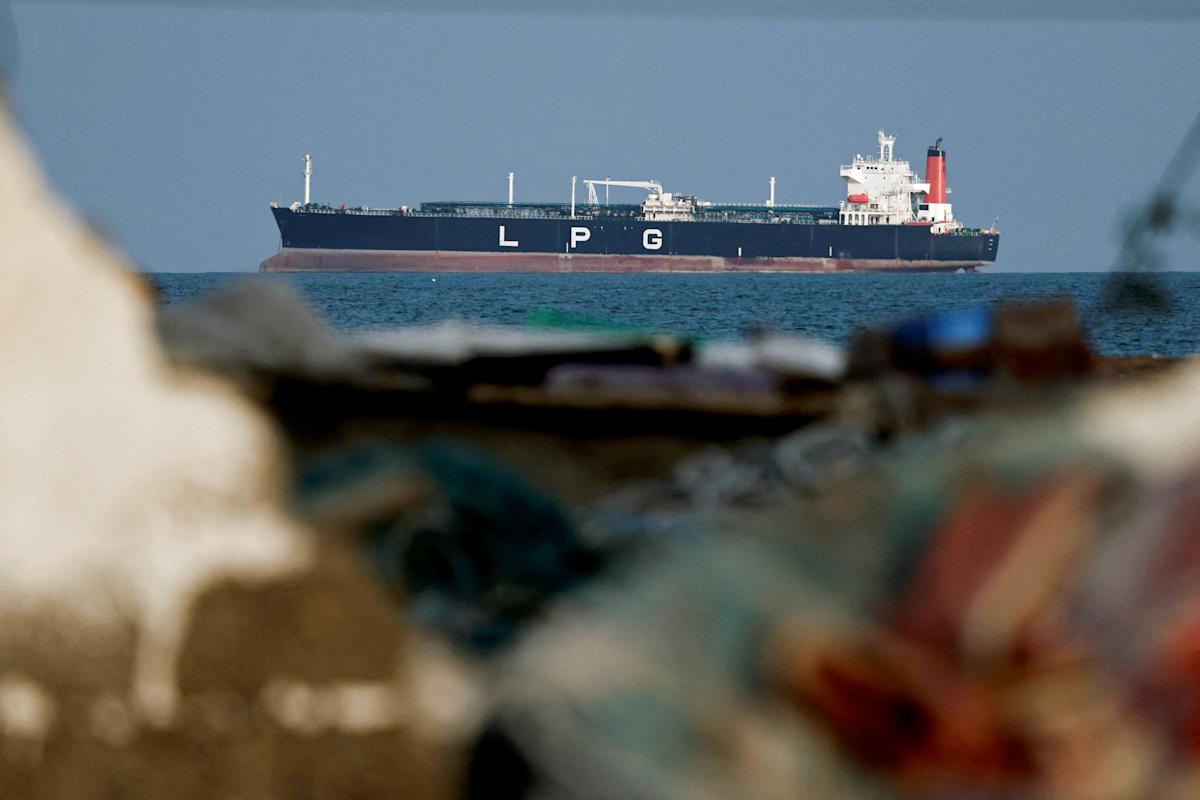
Wall Street is increasingly focused on rising oil prices as the primary driver of the economy and markets amid the Middle East conflict.
Brent crude (BZ=F) futures surged to $100 per barrel last week, with the war in Iran “creating the largest supply disruption in the history of the global oil market,” according to the International Energy Agency.
An unprecedented amount of petroleum released from the International Energy Agency, along with easing of sanctions on Russian oil, are measures analysts say will help but won’t solve the issue of higher oil prices.
“Unless the political and kinetic situation resolve, very fast in days, you’re going to end up with a scarcity issue,” Macquarie Group global energy strategist Vikas Dwivedi told Yahoo Finance.
“We don’t actually think $150 is an outlier move in this situation,” he added.
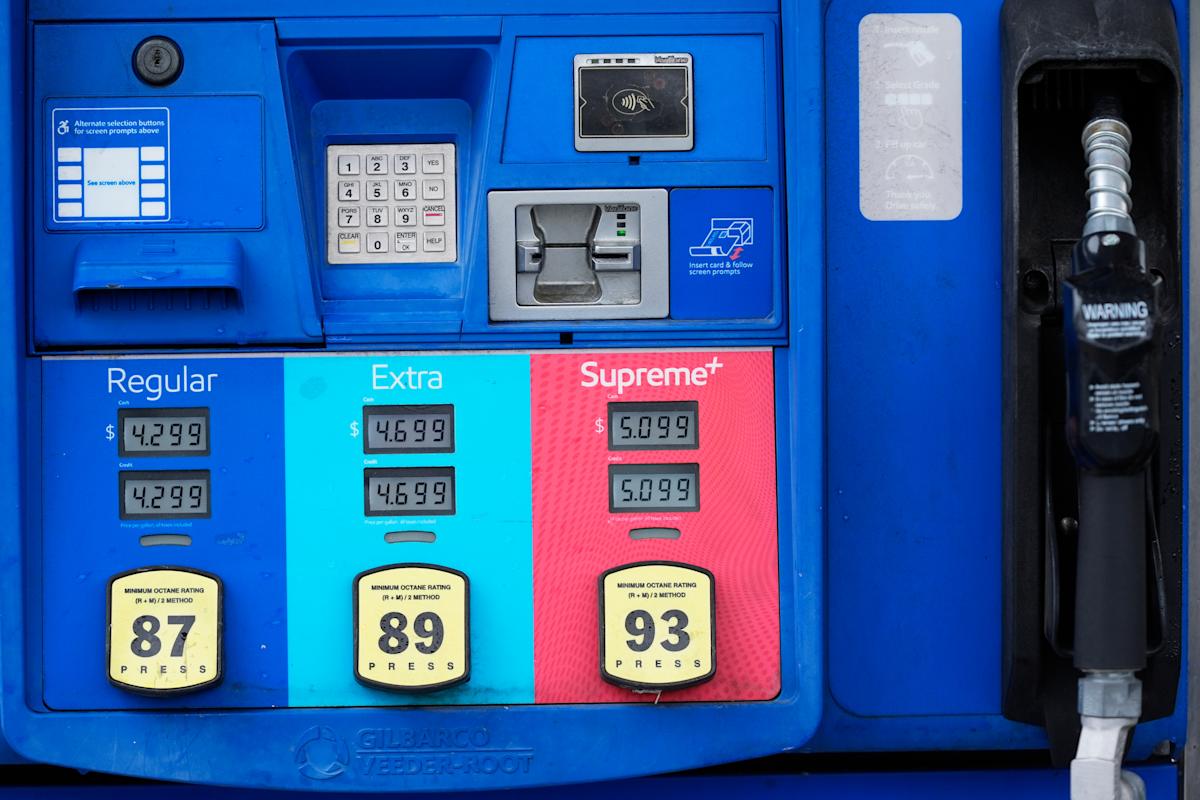
Gasoline, diesel, and jet fuel prices have surged, threatening to squeeze consumers and businesses. With oil prices more than $25 per barrel higher than before the war began, Wall Street is now factoring rising energy costs into inflation expectations, bond yields, and overall risk appetite.
“Crude is the straw that stirs the drink right now,” wrote Charlie McElligott, managing director of global equity derivatives for Nomura Securities in a client note.
Read more: How oil price shocks ripple through your wallet, from gas to groceries
McElligott noted that before the Iran conflict broke out on Feb. 28, markets had been pricing in lower inflation prospects and, until recently, “an almost exclusively ‘dovish’ forward policy path” for the Federal Reserve.
Now, Wall Street increasingly expects policymakers to keep interest rates unchanged.
“A higher inflation path will make it harder for the Fed to start cutting soon,” Goldman Sachs analysts wrote on March 11, pushing back the first cut in our Fed forecast from June to September, followed by a second cut in December.
Read more: February CPI breakdown: Inflation steadies, but consumers brace for energy fallout
However, should the labor market weaken “sooner and more substantially” than expected, the analysts do not think inflation concerns would prevent earlier cuts.
The expectation of higher inflation has pushed long-term US bond yields materially higher, as investors demand a higher premium for holding long-term debt. The 30-year yield (^TYX) is again nearing the 5% level, an area that has rattled stocks several times in recent years.
“For now, oil remains the primary market driver,” LPL Financial chief technical strategist Adam Turnquist said.







Leave a Reply