
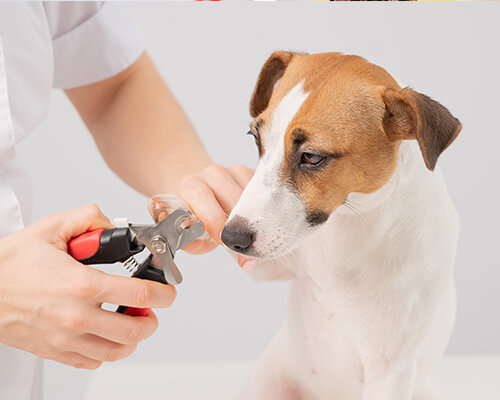
We’ve all been there – that distinctive click-clack sound of your furry friend walking across the hardwood floor, or perhaps that accidental scratch when they jump up to greet you. The moment you recognize these common situations, you should consider getting your pet a “pawdicure”.
People often ignore their pets’ nail regimen, but those tiny claws need proper attention. The practice of nail trimming for pets serves important health and happiness functions which extend beyond floor protection.
Why Pet Nail Care Matters More Than You Think
Your pet’s nails aren’t just cosmetic features; they’re active, functional parts of their anatomy that require regular maintenance. Neglected long nails generate numerous issues that negatively affect the quality of life for your pet.
Intact long nails cause fundamental changes to the way your pet walks and stands. Think about trying to walk while constantly tiptoeing – uncomfortable, right? That’s essentially what happens when your dog or cat has overgrown nails. The process of adjusting their walking pattern to accommodate long nails creates harmful pressure on their joints, which may develop into joint discomfort and mobility complications in the future.
Long nails have the potential to roll under the paws, where they embed themselves into the paw pads. Animal nail embedment causes painful conditions that lead to infections and abscesses, and creates intense distress for the animals. The formation of embedded nails requires veterinary attention because such conditions are more damaging to your pet than routine nail trims would have been.
Reading Your Pet’s Nails
So, how do you know when it’s time for a trim? For dogs, if you hear that tap-dancing sound on hard surfaces, it’s definitely time. Ideally, when your dog is standing, their nails shouldn’t touch the ground. For cats, if their claws are catching on fabrics or they can’t fully retract them, it’s trimming time.
The anatomy of pet nails is important to understand before you grab those clippers. Most pet nails contain a “quick” – a sensitive area with blood vessels and nerves. In pets with clear nails, the quick appears as a pinkish area within the nail. In pets with dark nails, it’s more challenging to see, which is why many pet parents prefer to leave nail trimming to the professionals.
The Home Pawdicure: Tips for Success
You should manage nail trims at home with the help of these steps:
- Start slow. To familiarize your pet with paw handling, start by touching their feet while you cuddle. The process should start with short paw-holding sessions, then advance to longer engagements before you introduce clippers.
- Choose the right tools. Commercial nail trimmers come in three primary forms: guillotine-style clippers, scissor-style clippers, and grinders. Your selection depends on the dimensions of your pet, along with his character and your personal comfort zone.
- Have styptic powder on hand. Even experienced groomers occasionally cut the quick. Styptic powder helps stop bleeding quickly if this happens.
- Consider a partner. Having someone to distract your pet with treats while you focus on trimming can make the process smoother.
- Reward generously! Always end nail trimming sessions with plenty of praise and treats to create positive associations.
However, we advise against attempting this procedure at home. If you accidentally cut too deep into the nail, your pet might get pretty traumatized by the experience. Once that happens, it can take forever for them to trust the nail clippers again. Some pets never quite get over it!
When to Call in the Professionals
Despite your best intentions, some pets simply won’t tolerate home nail trims. Signs that professional help might be needed include:
- Extreme anxiety or aggression during nail trimming attempts
- Your own discomfort or uncertainty about the process
- Pets with very dark nails where the quick is difficult to see
- Pets with extremely thick or overgrown nails
- Senior pets who may have more brittle nails requiring special care
Professional groomers and veterinary staff are trained to handle even the most reluctant pets, often completing nail trims quickly and with minimal stress. They can also spot potential nail or paw problems that might require veterinary attention.
Beyond the Trim: Complete Paw Care
A proper pawdicure involves more than just nail trimming.
- Inspect the space between toe pads for both debris and small objects, as well as skin irritations.
- Look for paw pad injuries and check for cracks during inspections, especially after walking in rough conditions or extreme weather.
- Regularly trim the extra fur between the paw pads to prevent matting and reduce surface slippage.
- Apply pet-safe balms or ointments to hydrate dry or cracked paw pad tissue.
Look for opportunities to modify your paw treatment methods when seasonal fluctuations appear. Harsh elements, such as winter ice and salt, damage paw pads relentlessly, while the heat of summer burns paw skin that touches pavement surfaces.
Your Pet’s Best Paw Forward
Maintaining your pet’s nails on a regular basis is an investment in their comfort and long-term health. Establishing a regular pawdicure practice, whether at home or with expert assistance, will help you avoid pain, increase your mobility, and fortify your relationship with careful attention.
At Pawfect Spa, our certified pet groomers specialize in stress-free nail trims for even the most anxious pets. Beyond our expert “pawdicures,” we offer complete grooming services tailored to your pet’s specific needs.
Give your furry friend the gift of comfort and care – book a nail trim or full grooming session at Pawfect Spa today and watch them strut out with confidence in every step!








Leave a Reply