


In April 2025, the U.S. government placed a 10% trade tariff on most goods from the U.K. That included Scotch whisky. Exports saw a sharp drop, and the industry was hit hard. One year later, as April 2026 came to an end, the whisky tariffs were lifted following a state visit by King Charles and Queen Camilla.
President Donald Trump announced an end to the tariffs after the royal visit, saying it would benefit both Scotland and Kentucky. The reason, apart from being a friendly diplomatic gesture, is also a business one. Scotland imports hundreds of millions of dollars’ worth of oak barrels from Kentucky to age its whisky. The United States consumes more Scotch than any other country, so removing the tariffs benefits both sides. Though Scotch and bourbon are different, the industries rely on each other.
After the tariffs were originally put in place, exports to the U.S. dropped by 15%. By the numbers, that means the U.K. shipped 9.2% fewer bottles to the U.S. in 2025, according to The Drinks Business. The total number of bottles shipped was around 120 million, meaning around 12 million fewer than in 2024. Tens of millions of dollars were lost overall. Now that the tariffs have been removed, British makers can potentially return to pre-tariff levels.
This will also be a relief for barrel makers in Kentucky who import oak from France and Japan. Oak barrels are best for aging bourbon. Tariffs raised prices, forced layoffs, and reduced sales across the state for many manufacturers, some by as much as 50%.
Trying not to botch the Scotch
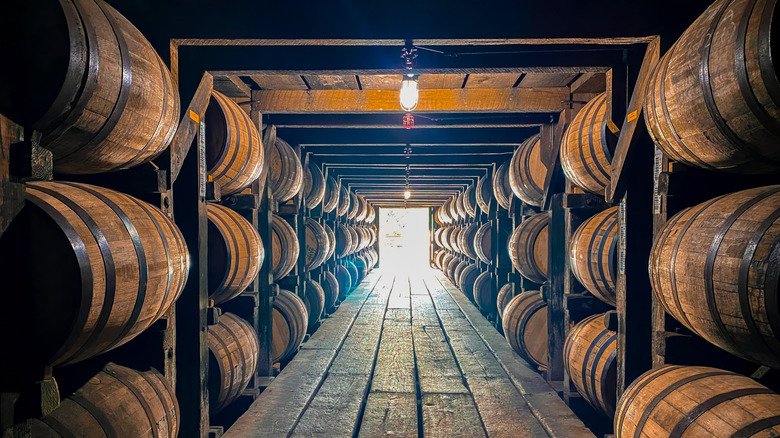
The trade relationship between Kentucky and Scotland is unique. A whisky barrel can be reused many times, but it can only be used once to make bourbon. Distillers in Kentucky use brand-new oak barrels. However, Scotch is often aged in older, pre-used bourbon barrels. Scotland has been buying old barrels from Kentucky for years. Oak bourbon barrels add desirable notes of coconut and vanilla to Scotch whisky.
Nearly every brand of Scotch uses old bourbon barrels, and the industry needs them in order to maintain production. About 90% of all whisky in Scotland is currently aged in old bourbon barrels, while the remainder is aged in sherry or wine casks. Rising costs due to inflation already make this challenging, but tariffs added further strain on the industry in both countries.
The drop in tariffs should be a major financial boon to distillers on both sides of the ocean. In the U.K., the industry was losing £4 million a week, or roughly $5.4 million. Several companies had scaled back production, but now there is a sense of relief from distillers that things may turn around so that sales and production can pick up again. There are no firm numbers available yet, and time will tell if consumers return to pre-tariff habits, but everyone at least seems hopeful that this is a step in the right direction for the whisky business.









Leave a Reply