
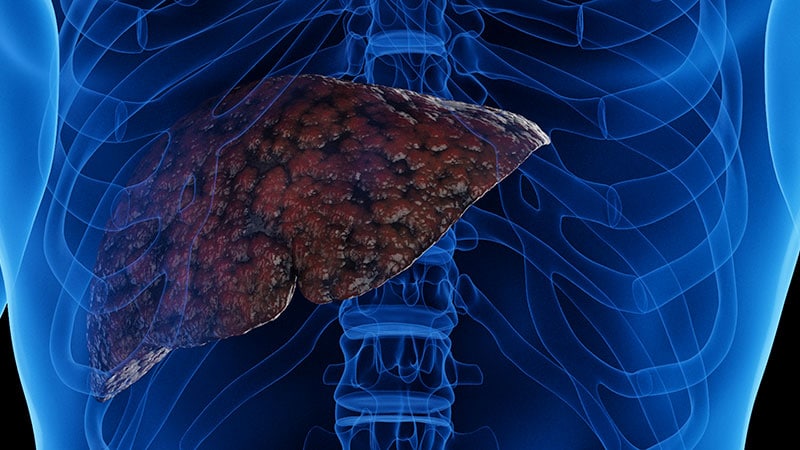
The European Medicines Agency’s (EMA’s) Committee for Medicinal Products for Human Use (CHMP) has recommended granting conditional marketing authorization to semaglutide (Kayshild, Novo Nordisk) for adults with non-cirrhotic metabolic dysfunction-associated steatohepatitis (MASH) and moderate-to-advanced liver fibrosis.
Semaglutide is a GLP-1 receptor agonist (RA). Although other GLP-1 RA’s have already been approved in the EU to treat diabetes and obesity, this is the first time a GLP-1 has been approved for MASH.
Conditional marketing authorization is granted when a medicine fulfills an unmet medical need even though additional data is still required and has been agreed to be provided at a later stage. Kayshild is now awaiting a final decision by the European Commission.
MASH, previously known as nonalcoholic fatty liver disease, occurs when excess fat cells cause chronic inflammation in the liver. Symptoms include fatigue, discomfort or pain in the upper right abdomen, unexplained weight loss, jaundice, and swollen abdomen or legs. Estimates suggest that around 5% of people in Europe have MASH.
Semaglutide works by selectively binding to and activating the GLP-1 receptor. Although GLP-1 receptors are not expressed in the liver, liver-specific effects are mediated through improvements in metabolic factors including weight loss, glucose and lipid metabolism, and reduced inflammation. Semaglutide also reduces fat deposition in the liver.
The CHMP’s recommendation follows results from an ongoing phase 3 placebo-controlled trial involving 1197 patients with MASH and fibrosis stage 2 or 3. They were randomized to receive once-weekly subcutaneous semaglutide at 2.4 mg or placebo for 240 weeks.
In an interim analysis at week 72 involving 800 patients, resolution of steatohepatitis without worsening of fibrosis occurred in 63% of those taking semaglutide and 34% of those taking placebo. Meanwhile, 37% in the semaglutide group reported reduced liver fibrosis without worsening of steatohepatitis compared with 22% of those in the placebo group.
Adverse events occurred at similar rates in both groups: 86% of those on semaglutide and 80% of those on placebo. The most common adverse event was gastrointestinal disorders. Nausea, diarrhea, constipation, and vomiting were more common among those taking semaglutide.
Kayshild will be available as a 0.25 mg, 0.5 mg, 1 mg, 1.7 mg and 2.4 mg solution for injection in pre-filled pens. The drug is to be taken alongside diet and exercise.
Detailed recommendations for using Kayshild will be available in the summary of product characteristics, which will be published on the EMA website in all official European Union languages following a positive decision from the European Commission.
Annie Lennon is a medical journalist. Her writing appears on Medscape, WebMD, and Medical News Today, among other outlets.
<











Leave a Reply