
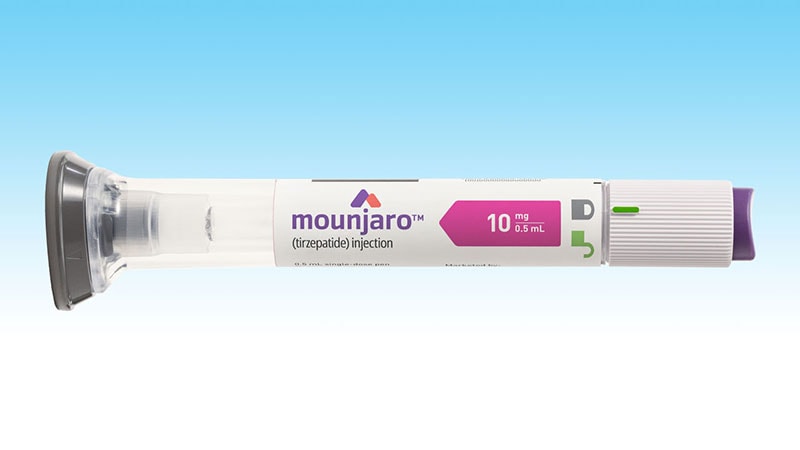
The European Medicines Agency (EMA) has announced that new data will be added to the product information for tirzepatide (Mounjaro, Eli Lilly) to include trial results on its use in the treatment of symptomatic chronic heart failure with preserved ejection fraction (HFpEF) in adults with obesity. The move is in response to an application to extend the indications for tirzepatide to cover this use.
The Committee for Medicinal Products for Human Use declined to recommend a separate indication for HFpEF but agreed to include relevant data from the study submitted with the application. It said this is to ensure that healthcare professionals have access to up-to-date data on the effects of tirzepatide in this group of patients.
Tirzepatide is a GLP-1 and GIP agonist that increases the insulin response to food and helps to lower blood glucose levels in people with type 2 diabetes, as well as reducing appetite and helping with weight management.
It was authorized in the EU in September 2022 to treat adults with poorly controlled type 2 diabetes, alongside diet and exercise, either as solo therapy in patients who cannot take metformin or in combination with other diabetes medicines. It is also used together with diet and physical activity to aid and maintain weight loss in people with obesity (BMI ≥ 30) or overweight (BMI between 27 and 30) with weight-related health problems such as diabetes, hyperlipidemia, hypertension, or obstructive sleep apnea.
Reduced Heart Failure Hospitalizations
The manufacturer applied to extend the use of tirzepatide to treat symptomatic chronic HFpEF in adults with obesity and submitted supporting trial data. The SUMMIT study involved 731 adults with class II-IV heart failure, an ejection fraction of at least 50%, and a BMI of at least 30. They were randomized to receive tirzepatide (up to 15 mg subcutaneously once per week) or placebo for at least 52 weeks. The composite end point of adjudicated death from cardiovascular causes or a worsening heart failure event occurred in 36 patients (9.9%) in the tirzepatide group vs 56 patients (15.3%) in the placebo group (hazard ratio, 0.62; P = .026). The active drug also significantly reduced hospitalizations due to heart failure and improved patients’ quality of life.
The EMA said that there was uncertainty as to whether the trial results on heart failure were a weight-loss-independent effect. As the drug’s use in this group of patients was already covered by the approved indication for weight management, a separate indication for the treatment of adults with chronic HFpEF and obesity was not needed. However, it said that prescribing information would be updated to include the trial findings so that healthcare professionals had access to up-to-date data.
Tirzepatide is available as a solution for injection in prefilled pens and vials.
It is injected subcutaneously once weekly in the abdomen, upper arm, or thigh. The most common side effects include gastrointestinal disturbances such as nausea and vomiting, constipation, or diarrhea. These are generally mild or moderate in severity and occur more often following dose changes.
<












Leave a Reply