
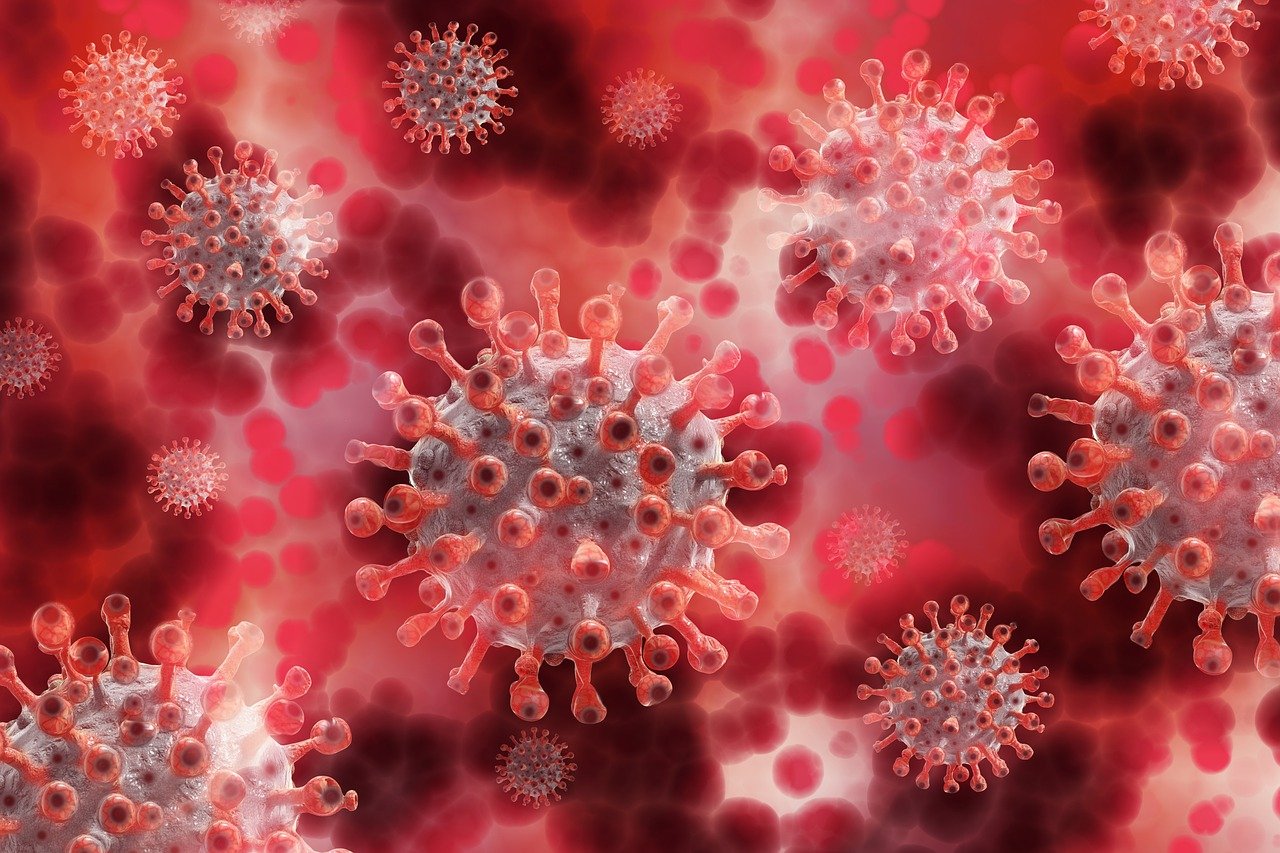
Aging lungs do not simply get weaker with time; they undergo cellular changes that fuel inflammation, disrupt immunity, and make respiratory infections like flu and COVID more dangerous for older adults. These age‑related shifts mean that even routine viruses can trigger runaway damage instead of a controlled, protective response.
What Happens To The Lungs As People Age?
With aging, lungs lose some elasticity, airway walls may thicken, and the tiny air sacs where gas exchange occurs become less efficient. The chest wall can also stiffen, reducing lung capacity and leaving less reserve to cope with respiratory infections.
Even without obvious disease, these structural changes narrow the margin of safety when flu, COVID, or other respiratory infections strike.
Aging lung cells accumulate damage from pollution, smoke, and repeated infections. Many enter a state called cellular senescence, where they stop dividing but stay active.
Rather than remaining quiet, senescent cells release inflammatory chemicals that irritate surrounding tissue, turning the lungs into a site of chronic, low‑grade inflammation even when no infection is present.
This background state of “inflammaging” means inflammatory signals are already elevated before a virus appears. When infection occurs, the immune system reacts on top of this baseline, often overshooting and causing more tissue damage.
Instead of a precise response, the lungs may experience swelling and fluid buildup that impair oxygen exchange.
At the same time, key aspects of immunity decline with aging. Some immune cells respond more slowly and less effectively, and the barrier function of the airway lining weakens, giving pathogens easier access.
The combination of higher inflammation and reduced immunity makes older adults more reactive yet less protected during respiratory infections.
Why Flu And COVID Hit Older Adults So Hard
Flu and COVID are viral respiratory infections that directly target the airways and lung tissue, placing heavy stress on aging lungs. Reduced lung reserve and inflammaging make it easier for these viruses to push the system toward failure.
Both infections can also trigger widespread inflammation throughout the body, interacting with age‑related changes in the heart and blood vessels and increasing the risk of pneumonia, acute respiratory distress, and other severe outcomes.
Aging lungs contain pockets of damaged or senescent cells that respond to viral invasion with a surge of inflammatory molecules. Instead of signaling for a balanced response, these cells help ignite an inflammatory cascade that draws in more immune cells and amplifies tissue injury.
Fluid leaks into the air spaces, oxygen levels fall, and breathing becomes more difficult. In many severe cases, the virus itself is only part of the problem; much of the harm comes from the excessive inflammatory response within aging lungs.
Underlying health conditions common in older adults, such as heart disease, diabetes, or chronic obstructive pulmonary disease, add another layer of risk. These illnesses can further narrow airways, alter blood flow, and strain the immune system, according to Harvard Health.
When flu or COVID arrives, the combined burden of aging lungs, chronic inflammation, weakened immunity, and existing disease makes serious complications more likely.
Immune changes with age also worsen outcomes. Older immune systems are slower to recognize new pathogens and often produce weaker antibody responses. Some immune cells release large amounts of inflammatory signals without efficiently clearing the virus.
This imbalance allows infections to linger in the lungs while inflammation remains high, increasing the chance of lasting damage.
How Aging Lung Cells Drive Runaway Inflammation
Several types of lung cells contribute to heightened inflammation with aging, including epithelial cells lining the airways, fibroblasts in the supporting tissue, and resident immune cells.
When stressed or senescent, they release pro‑inflammatory cytokines and chemokines, acting as if the lungs are under constant attack. This state increases the likelihood that respiratory infections will ignite runaway inflammation rather than a controlled response.
Fibroblasts normally help maintain structure and repair lung tissue. In older lungs, some fibroblasts adopt a distress state, sending strong danger signals even when damage is modest.
They secrete inflammatory factors and growth signals that drive excessive tissue remodeling and scarring. During flu or COVID, this process can escalate quickly, transforming a localized infection into widespread lung injury.
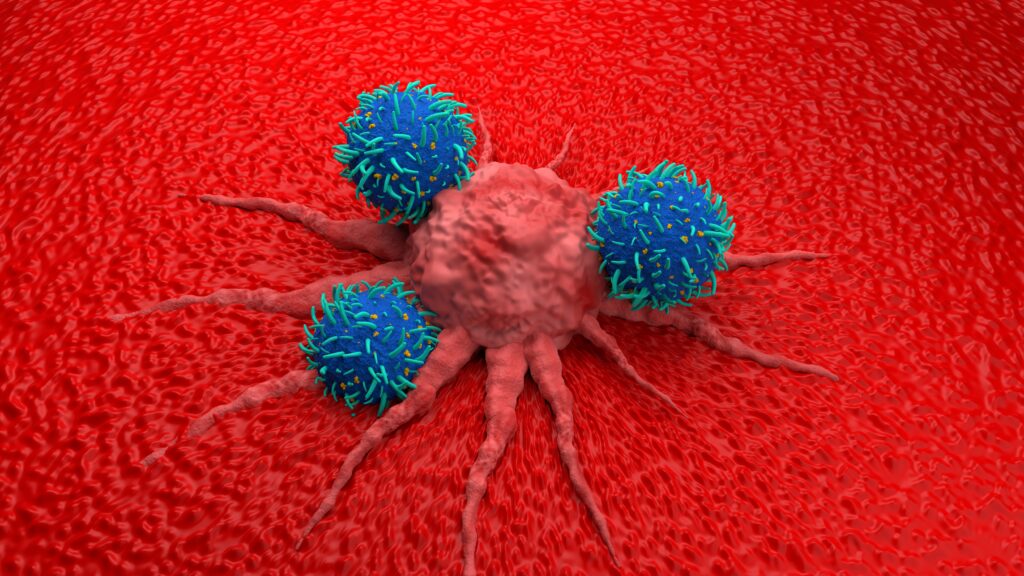
As immune cells rush into aging lungs, they may cluster densely around damaged or infected areas. These inflammatory cell clusters concentrate the tools needed to kill viruses but also concentrate inflammatory substances that can harm healthy cells.
When too many clusters form, or when they persist, they leave behind scars and reduce lung function. This damage increases vulnerability to future respiratory infections and slows recovery after illness, as per the Centers for Disease Control and Prevention.
Inflammaging ensures that the lungs start from a higher baseline of inflammatory activity, so responses to infection often overshoot. Swollen tissues, leaky blood vessels, and fluid‑filled air sacs restrict oxygen transfer and increase the work of breathing.
After infections resolve, lingering low‑grade inflammation can delay healing and contribute to long‑term declines in lung function.
Aging, Immunity, And Safer Respiratory Seasons
Understanding how aging lungs, inflammation, and immunity interact helps explain why respiratory infections such as flu and COVID so often hit older adults hardest. Cellular damage and senescence create an environment where infections more easily spark outsized inflammatory responses that injure lung tissue.
At the same time, immunosenescence weakens the ability to contain and clear viruses, giving respiratory infections more time to wreak havoc in aging lungs.
These insights highlight the importance of preventive strategies tailored to older adults: staying up to date on flu and COVID vaccines, protecting the lungs from smoke and pollutants, and managing chronic conditions that strain the respiratory system.
Researchers are also exploring therapies that might reduce inflammaging or support more balanced immunity in the lungs.
By focusing on the links between aging, lungs, inflammation, immunity, and respiratory infections, it may be possible to lessen the impact of seasonal viruses and help older adults breathe more easily through future respiratory seasons.
Frequently Asked Questions
1. Can aging lungs recover fully after a severe flu or COVID infection?
Some older adults regain most of their previous lung function, but others may be left with lasting scarring or reduced capacity, especially after pneumonia or intensive care.
2. Do younger people with chronic lung disease face risks similar to older adults?
Yes, chronic conditions like COPD or severe asthma can mimic aspects of aging lungs, increasing inflammation and reducing reserve, which raises the risk from respiratory infections.
3. Can regular exercise really improve immunity in aging lungs?
Moderate, consistent physical activity can support cardiovascular health, improve breathing efficiency, and modestly enhance immune function, which may help the lungs handle infections better.
4. Are there specific nutrients that support aging lung health during respiratory seasons?
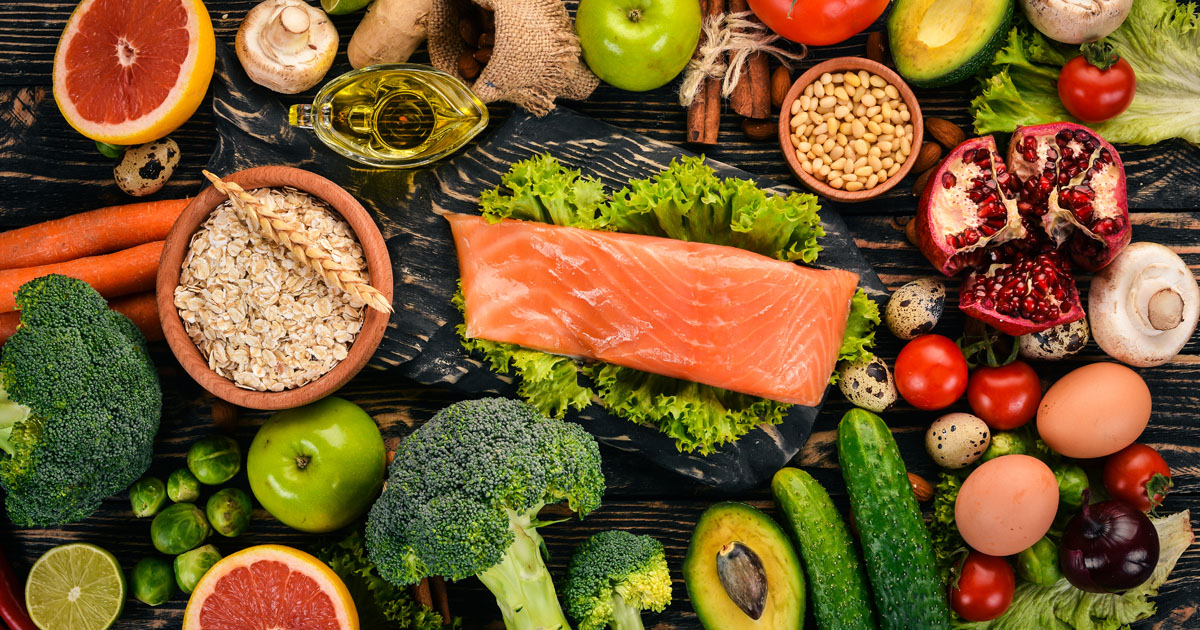
A balanced diet rich in fruits, vegetables, healthy fats, and adequate protein supports immune cells and tissue repair, while nutrients like vitamin D and omega‑3s are often studied for additional benefits.
<







Leave a Reply