
April 22, 2026
3 min watch

Key takeaways:
- The device preserves the structure of the capsular bag after crystalline lens removal.
- It prevents posterior capsular opacification, ensures IOL positioning and prevents vitreous detachment.
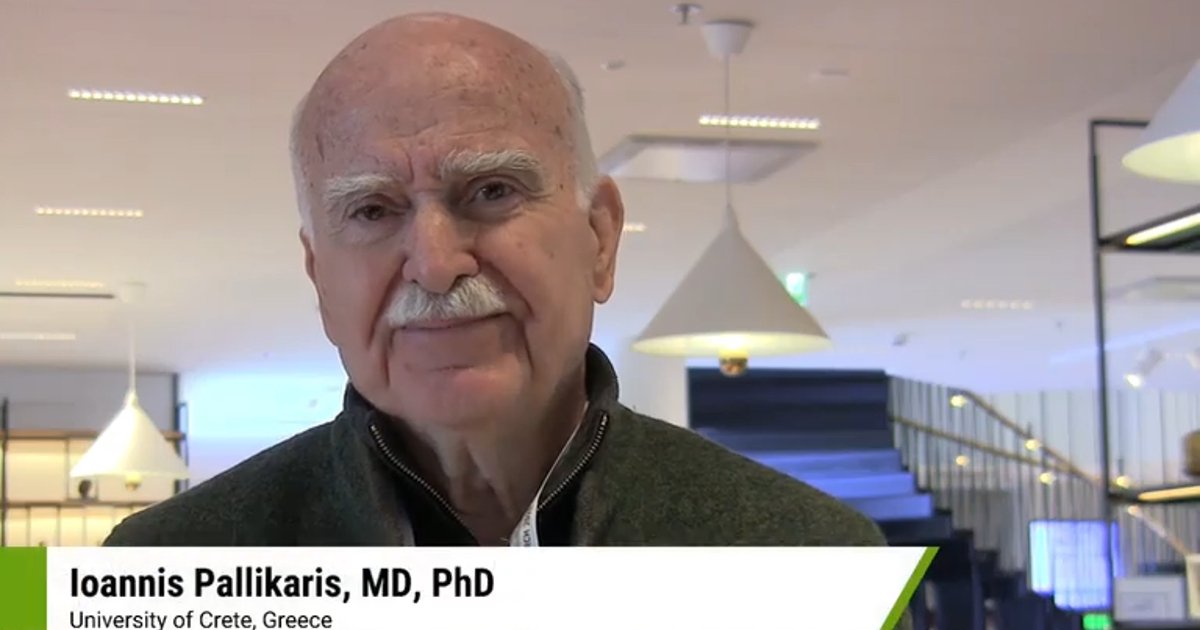
HELSINKI — At the European Society of Cataract and Refractive Surgeons winter meeting, Ioannis Pallikaris, MD, PhD, announced that his fixOflex endocapsular ring received a CE mark under the EU Medical Device Regulation.
Manufacturer Eye PCR said that the device will be commercially available soon to minimize risks and optimize outcomes of modern refractive cataract surgery.
FixOflex, an implantable ring made of hydrophilic acrylic, is designed to preserve the natural three-dimensional structure of the capsular bag after crystalline lens removal and to provide a stable bed for IOLs. By maintaining an open capsule, it prevents capsule shrinkage, fibrosis, capsular phimosis and posterior capsular opacification (PCO), and it ensures correct positioning, long-term transparency and centration of IOLs.
In this Healio Video Perspective, Ioannis Pallikaris, MD, PhD, discusses his fixOflex endocapsular ring.
“We are already on the way to finishing many studies. We implanted more than 500 rings around the world in several clinics, and of course, we have a long follow-up,” Pallikaris told Healio.
The CE mark certification was based on the results of a prospective study of 121 patients implanted with the device in one eye using a 2.4-mm injector through a standard capsulorrhexis after phacoemulsification and before IOL implantation. A control group of 46 patients was implanted with the same IOL without the endocapsular device.
At 12 months, PCO incidence was 0.83% in the fixOflex group compared with 13% in the control group. This was due to the barrier effect of the circumferential implant against cell migration. No patients implanted with fixOflex required Nd:YAG laser capsulotomy vs. three patients in the control group.
“We have now almost 4 years of follow-up for the initial study with only 1% PCO and very nice centration of the IOLs,” Pallikaris said.
“We operate very early our cataract cases today doing refractive lens exchange, and of course, we don’t know what is happening in the future,” Pallikaris told Healio. “Very often, we have [age-related macular degeneration], for example, and we have to replace our multifocal with a monofocal IOL.”
In some later cases, Pallikaris observed that refilling the space of the human lens with the capsule ring prevents the vitreous body from floating and moving forward. This is likely to result in less posterior vitreous detachment, which is a major problem for high myopes after cataract surgery.
Sources/Disclosures
Source:
Healio Interviews
References:
Disclosures:
Pallikaris reports being the inventor of fixOflex and the founder and director of Eye PCR.

Ask a clinical question and tap into Healio AI’s knowledge base.
- PubMed, enrolling/recruiting trials, guidelines
- Clinical Guidance, Healio CME, FDA news
- Healio’s exclusive daily news coverage of clinical data
<













Leave a Reply