
April 22, 2026
3 min read

Key takeaways:
- Adults who use a GLP-1 have lower macronutrient intake than nonusers.
- GLP-1 users are more likely to skip meals than nonusers.
- Nearly 88% of GLP-1 users do not meet recommended protein intake.
Adults who use a GLP-1 have lower macronutrient intake than nonusers, according to data that will be presented at the European Congress on Obesity.
In an analysis of data from adults with overweight or obesity using a health app, researchers found adults using GLP-1s have lower intake of calories, protein, carbohydrates and fat than nonusers. Adults using a GLP-1 were also more likely to skip meals. Valentina Vinelli, PhD, scientific advisor for Robin Health and nutritionist in the department of metabolic health at IRCCS San Raffaele Hospital in Milan, said the findings showed people who use a GLP-1 are eating less, but are also not changing the composition of their diet.

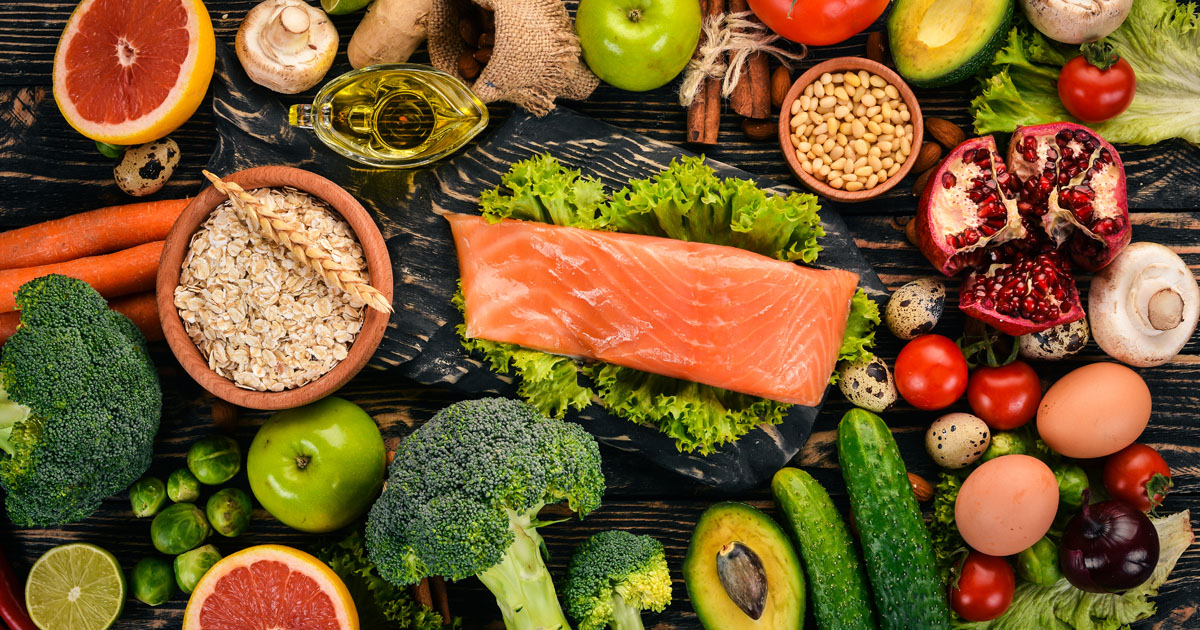
The macronutrient composition of diets between adults with obesity using a GLP-1 and those not using a GLP-1 is similar. Image: Adobe Stock
“Eating less does not automatically mean eating right,” Vinelli told Healio. “Our study suggests that GLP-1 receptor agonist users appear to reduce their food intake proportionally, eating less of everything rather than changing the composition of their diet. As a result, the nutritional gaps already present in a calorie-restricted diet seem to be amplified.”
Researchers analyzed data from 332 adults with a BMI of 27 kg/m2 or higher who used the Robin Health app. Participants self-reported GLP-1 use. Macronutrient composition was determined using a photo recognition food logging system within the app.
Of the study group, 116 reported using a GLP-1 (mean age, 52.5 years; 72.4% women; mean baseline BMI, 31.3 kg/m2) and 216 did not use a GLP-1 (mean age, 50 years; 63% women; mean baseline BMI, 30.6 kg/m2).
Adults who used a GLP-1 had lower daily energy (1,102 kcal vs. 1,281 kcal; P = .001), protein (53.8 g vs. 62 g; P = .004), carbohydrate (128 g vs. 143 g; P < .001) and fat intake (39.7 g vs. 45.7 g; P < .001) than nonusers. The proportion of one’s diet that consisted of protein (19.9% vs. 18.9%), carbohydrates (46.7% vs. 46.2%) and fat (32.7% vs. 33.5%) was similar between GLP-1 users and nonusers, respectively.
“This suggests that GLP-1 receptor agonists appear to induce a proportional appetite suppression rather than selective changes in dietary preference, which has important implications for how we counsel patients,” Vinelli said.
Of those who used a GLP-1, 87.9% did not meet protein intake recommendations from the Italian Society of Human Nutrition.
Adults using a GLP-1 were more likely to skip breakfast (31.3% of days vs. 16.1%; P < .001), lunch (30.5% of days vs. 18.2%; P < .001) and dinner (40.4% of days vs. 29.6%; P < .001) than those not using a GLP-1.
Among adults with at least two weight entries, the GLP-1 group lost more weight (mean change, –2.5 percentage points vs. –0.2 percentage points; P < .001) and had a higher proportion of participants lose at least 5% of their body weight (22.5% vs. 3.1%; P < .001) than nonusers.
Vinelli said the findings emphasize how important it is for people with obesity to regularly consult with a nutritionist or dietitian when using a GLP-1.
“Specifically, our data highlight practical priorities: actively monitoring protein intake, as most patients appear unable to meet even minimum recommended levels through habitual eating alone, but also all nutrients intake; and addressing meal skipping, particularly dinner, which reduces opportunities for adequate protein distribution,” Vinelli said. “In this context, digital applications like Robin emerge as valuable tools to monitor and analyze patients’ dietary habits, assess adherence to nutritional recommendations and support more effective and personalized dietary management.”
Vinelli said the researchers plan to conduct another study to analyze micronutrient composition, and that more research is needed to confirm the findings in larger study cohorts and to assess macronutrient intake during dose titration of the drugs.
For more information:
Valentina Vinelli, PhD, can be reached at valentina@robin.health.
Sources/Disclosures
Source:
Vinelli V, et al. Abstract 1823. To be presented at: European Congress on Obesity; May 12-15, 2026; Istanbul.
Disclosures:
Vinelli reports being an employee of Robin Health.

Ask a clinical question and tap into Healio AI’s knowledge base.
- PubMed, enrolling/recruiting trials, guidelines
- Clinical Guidance, Healio CME, FDA news
- Healio’s exclusive daily news coverage of clinical data
<












Leave a Reply