

Key takeaways:
- Interval colorectal cancer incidence declined nearly 50% after AI-assisted colonoscopies were introduced.
- Adenoma and advanced adenoma detection rates were also significantly higher.
CHICAGO —The AI-assisted colonoscopy era was associated with a 47% reduction in interval colorectal cancer incidence and higher adenoma detection rates AI-free procedures, according to a study presented at Digestive Disease Week.
“AI-assisted colonoscopy has been rolling out across health systems for a few years now and the randomized trial data looked promising, but those trials tend to be conducted at academic centers under fairly controlled conditions,” Muhammad Ali Butt, MD, gastroenterology fellow at the University of Minnesota, told Healio. “What we kept wondering was whether any of that held up in routine practice, across a much broader range of settings and patient populations.”

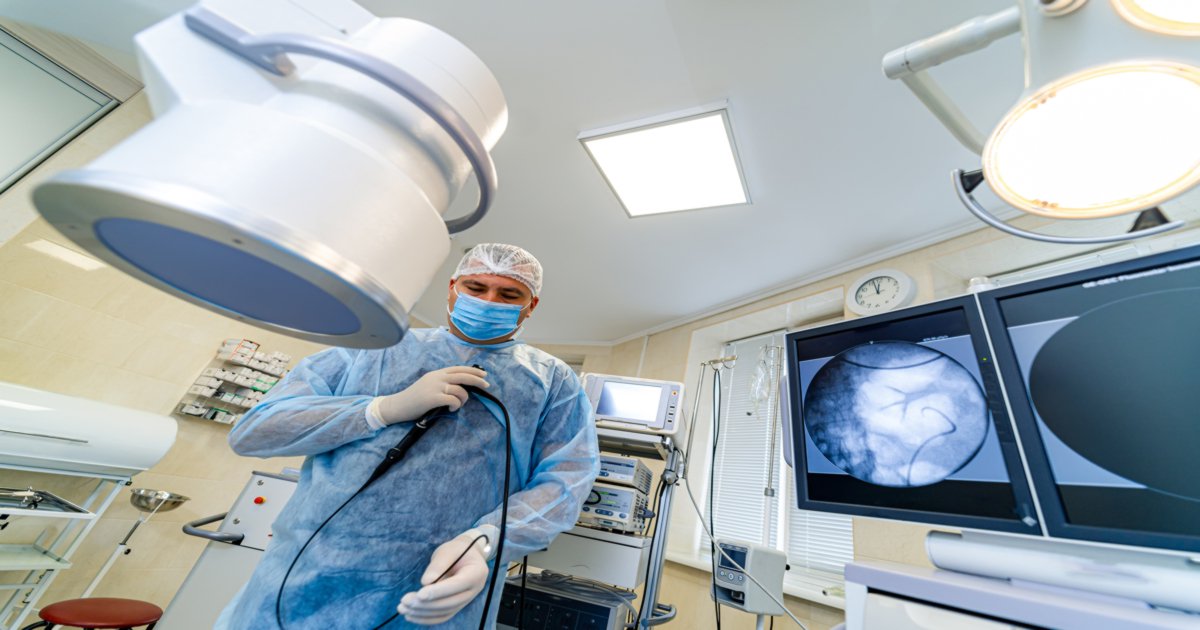
The AI-assisted colonoscopy era was associated with a 47% reduction in interval colorectal cancer incidence and higher adenoma detection rates AI-free procedures. Image: Adobe Stock.

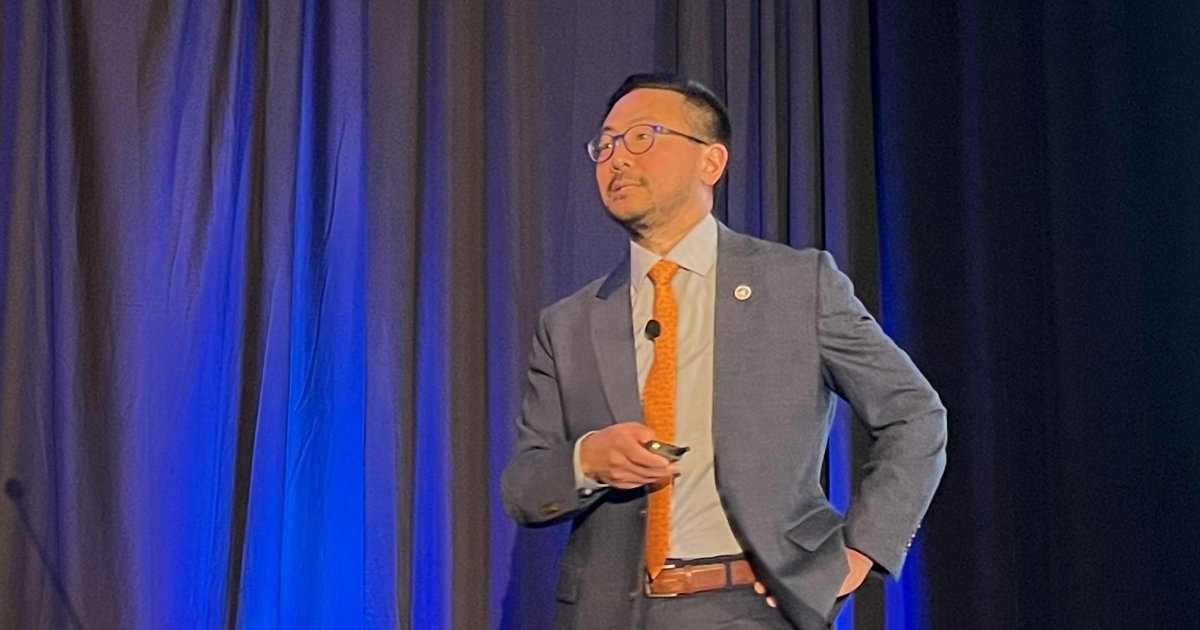
Muhammad Ali Butt
Butt and colleagues conducted a retrospective cohort study with data from TriNetX, a national, federated electronic health network that serves 67 health systems.
The study followed two groups of adults, a pre-AI cohort who had colonoscopies between 2015 and 2019 and an AI-era cohort who underwent the procedure between 2022 and 2025.
Mean age of the pre-AI cohort was 60 years and 54.3% of patients were women, similar to the AI-era cohort, which had a mean age of 61 years and 54.1% women.
Researchers assessed ADR within 30 days of colonoscopy and defined interval CRC as a diagnosis 6 to 36 months after the procedure.
The 30-day analysis included 1,514,867 patients from each cohort. Adenomas were detected in 3.6% of patients in the AI-era cohort, compared with 1.8% of patients in the pre-AI cohort (P < .001).
Advanced adenomas were caught in 0.19% of patients in the AI cohort and 0.13% of those in the pre-AI cohort (P < .001).
During the 6 to 36 months following colonoscopy, interval CRC incidence declined from 0.21% in the pre-AI cohort to 0.11% in the AI-era cohort (RR = 0.53, P < .001).
“We saw a roughly 47% relative reduction in interval CRC in the AI era compared to the pre-AI period,” Butt said. “That’s a hard outcome to move. These are cancers that slip through after a scope that was supposed to be negative, so a signal that size in real-world data was notable.”
While results provide evidence supporting the clinical benefits of AI-assisted colonoscopies, Butt said “the caveat is that this is an observational study with the limitations that come with that, and I wouldn’t want anyone walking away thinking this definitively proves AI is driving the improvement.”
Further research is necessary to determine AI’s contribution to improved colonoscopy outcomes relative to other recent changes to procedural guidelines, quality improvement initiatives and greater awareness of ADR benchmarks.
For more information:
Muhammad Ali Butt, MD, can be reached at gastroenterology@healio.com.
Sources/Disclosures
Source:
Butt MA, et al. Real-world impact of the AI colonoscopy era on adenoma detection and interval colorectal cancer: A national propensity-matched study. Presented at: Digestive Disease Week; May 2-5, 2026; Chicago.
Disclosures:
Butt reports no relevant financial disclosures. Please see the study for all other authors’ relevant financial disclosures.

Ask a clinical question and tap into Healio AI’s knowledge base.
- PubMed, enrolling/recruiting trials, guidelines
- Clinical Guidance, Healio CME, FDA news
- Healio’s exclusive daily news coverage of clinical data
<











Leave a Reply