

 Column
Lindstrom’s Perspective
Lindstrom’s Perspective
Click here to read the Cover Story, “Consequences of screen time in childhood extend beyond myopia.”
Digital eyestrain or computer vision syndrome is real, increasing in prevalence and severity, and is a causative factor in pediatric progressive myopia.

Studies suggest that digital device use of 1 hour or less per day is well tolerated. Digital device use of more than 4 hours in a single day is likely to induce some symptoms of digital eyestrain. Unfortunately, we Americans, by the time we are 13 years old, average 6 to 7 hours a day of cell phone and computer use. Even those older than 65 years average more than 5 hours a day on a digital device. This results in a prevalence for at least mild digital eyestrain in 65% to 70% of individuals.
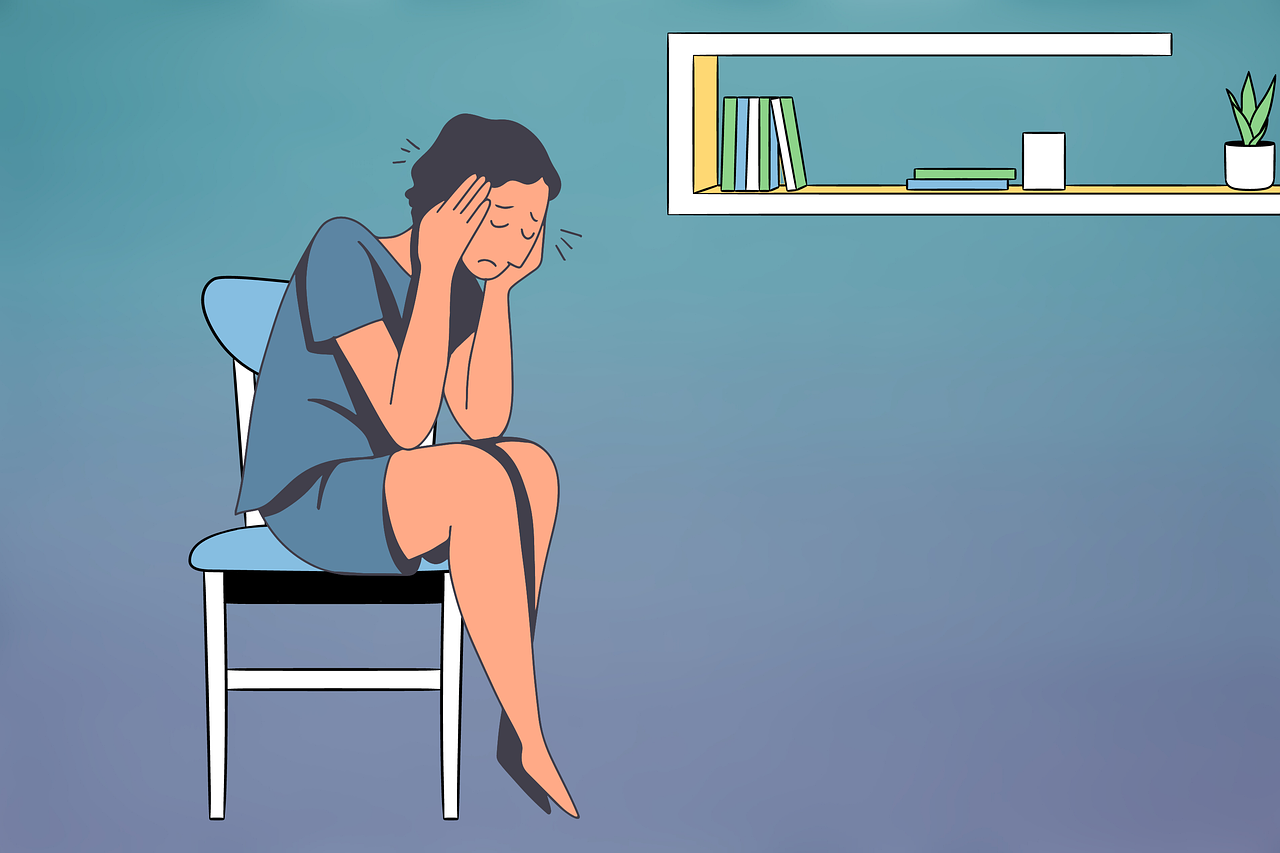
The symptoms of digital eyestrain/computer vision syndrome (DES/CVS) are primarily caused by excess and prolonged accommodative demand, an ocular motility problem including convergence insufficiency, and/or secondary dry eye syndrome. The symptoms include periocular/ocular ache, headache, blurred vision, difficulty focusing, the classic dry eye symptoms of burning, foreign body sensation, itching and fluctuating vision exacerbated by a reduced blink rate, and even sleep disturbances.
Every eye doctor is going to encounter patients, employees, friends and family with the symptoms of DES. Reducing digital device use is beneficial but impossible or at least undesirable for most. Schools and parents can demand and enforce reduced digital device use in every young person, but once a child obtains a cell phone or computer, reduced use is a nearly impossible challenge.
Fortunately, there are several ways to reduce the negative impact of excess digital device use on the eye. Full and accurate correction of refractive errors including any ametropia, astigmatism or presbyopia is important, and optical device prescriptions must be kept up to date. Accurate refractive error correction is also helpful in reducing pediatric progressive myopia, which can continue for some patients into their 40s.
Next, careful evaluation of a patient’s motility for any evidence of a phoria, tropia or convergence insufficiency is important. Treatment with prism may be necessary, and the progressive prism Sequel and Neurolens custom eyeglasses available from Newton are a new innovation that is helping many patients reduce the symptoms of DES. In addition, high-energy blue light filtration of digital devices as provided by Eyesafe is gaining advocates as are blue light-filtering spectacles, available from most optical laboratories, which can also reduce glare symptoms.
For dry eye symptoms, following the 20-20-20 rule in which a break is taken while using a digital device every 20 minutes with distance gazing and forced blinking is recommended by the American Academy of Ophthalmology and American Optometric Association. In addition, regular instillation of quality non-preserved artificial tears can be helpful. Reducing exposure to blown air from heaters or air conditioners and adding a humidifier near the digital device work environment are beneficial, as is appropriate lighting of the device and surrounding workspace.
Proper ergonomics is also important. Digital devices should not be positioned too close to the eye and are ideally placed 6 inches below eye level. Proper posture, head position and seating will reduce the risk for cervical or lumbar back strain during long-duration use of digital devices.
DES/CVS is real and highly prevalent. The symptoms and negative impact on quality of vision and quality of life can be positively impacted by behavioral modification, appropriate optical correction, and management of ocular motility and secondary dry eye syndrome. Proper management of DES/CVS will also benefit pediatric patients and young adults with progressive myopia. We all need to stay abreast of available treatments for this common syndrome to properly treat our patients. We should also adopt them for ourselves and share them with employees, friends and family.
For more information:
Richard L. Lindstrom, MD, can be reached at rllindstrom@mneye.com.
Lindstrom’s Perspective

Sources/Disclosures
Source:
Expert Submission
Disclosures:
Lindstrom reports having financial disclosures for Alcon, Eyesafe, Minnesota Eye Consultants, Newton, Surface, Sydnexis and Unifeye Vision Partners. Literature review augmented by Elicit, Google AI and Healio AI.

Ask a clinical question and tap into Healio AI’s knowledge base.
- PubMed, enrolling/recruiting trials, guidelines
- Clinical Guidance, Healio CME, FDA news
- Healio’s exclusive daily news coverage of clinical data
<










Leave a Reply