
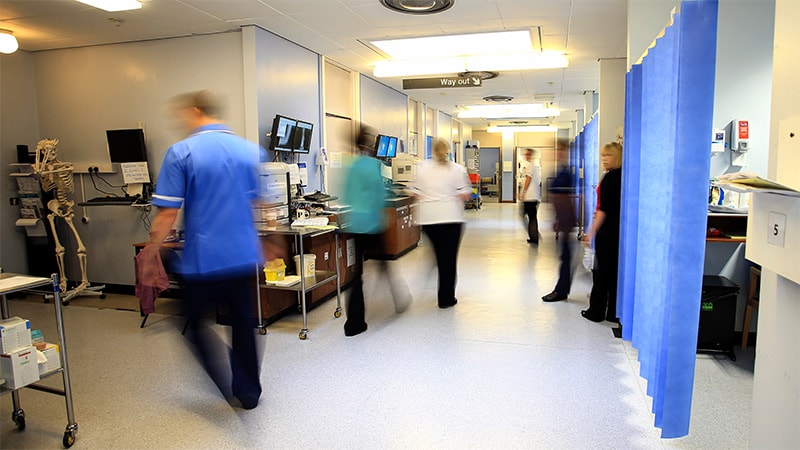
A new report on preventing doctor burnout in Scotland has urged politicians to take a preventive approach, warning that current pressures threaten both doctors’ wellbeing and patient care.
The research, by the Medical & Dental Defence Union of Scotland (MDDUS), found that 66% of doctors surveyed in Scotland said they had experienced burnout or were currently affected by it.
The report, Wellbeing by Design, calls for systemic change in the NHS to better protect doctors’ health. Leaders from royal colleges, the British Medical Association (BMA), and MDDUS are urging the Scottish Government to act ahead of the Holyrood elections in May.
Chris Kenny, chief executive of MDDUS, said the report offered politicians “a blueprint for change”.
He said the current system lacked “the structures needed to protect staff and support safe practice”, adding that doctors’ wellbeing was inseparable from patient wellbeing.
Five Key Recommendations
The report makes five recommendations, including commissioning a comprehensive national review of doctors’ wellbeing and its impact on patient safety, quality of care, and workforce retention.
It also suggests setting and publishing a measurable national target to improve doctor wellbeing and reduce burnout, reported annually to Parliament and guaranteeing safe workloads, predictable rotas, rest spaces, and protected learning time so individuals and teams can deliver sustainable care.
Niall Dickson, independent chair of the expert group and former chief executive of the General Medical Council, described the report as “a call to arms”.
He said meaningful change would require “clear commitment” rather than a short-term “crisis response”. Many of the proposals, he added, had been implemented elsewhere and could be delivered without significant additional resources.
Without a shift to “wellbeing by design”, Mr Dickson warned, Scotland would continue to lose experienced clinicians, with consequences for patients.
Views From Clinicians
Professor Lindsey Pope, a Greenock GP and medical educationalist at the University of Glasgow, said: “Patients need doctors who can practise medicine in conditions that protect their wellbeing rather than test it. That requires systems and workplaces built with wellbeing in mind from the outset. Any incoming government that wants to sustain patient services will need to accept that reality.”
Dr Iain Kennedy, chairman of BMA Scotland, said the association welcomed the report, noting that demands on NHS staff had risen steadily in recent years.
He cited recent survey findings showing that one in four doctors described their workload as unmanageable, while two-thirds said work was harming their wellbeing. He also warned that long-standing pressures in general practice continued to drive excessive workloads.
Kennedy said burnout and stress were contributing to doctors reducing hours or leaving the NHS, increasing risks to workforce stability and patient care.
Health Secretary Neil Gray said the Scottish Government recognised the “tremendous pressures” faced by staff and was working with health boards to limit excessive hours and long shifts.
He said more than £2.5 million was provided annually through boards for national wellbeing programmes and that the government would “carefully consider” the MDDUS report.
Gray also pointed to the Future Medical Workforce project, which involved more than 2000 doctors, and said its next phase would focus on turning insights into action, with progress to be discussed at a parliamentary event in February.
<









Leave a Reply