
February 02, 2026
2 min read
Key takeaways:
- Current methods of phantom limb pain relief are primarily focused on ameliorating symptoms.
- The Targeted Brain Rehabilitation platform allows for a neurological-based solution intended to rebuild neural pathways.
A neurological-based rehabilitation system to address phantom limb syndrome has been registered by the FDA as a Class II Software as a Medical Device, the manufacturer said in a press release.
The Targeted Brain Rehabilitation (TBR), which is delivered via an immersive, hands-free virtual reality software platform, was developed by Axolo Health co-founders Glenn Gaston, MD, and Bryan Loeffler, MD, at the OrthoCarolina Reconstructive Center for Lost Limbs, according to the release.

“Up to 80% of amputees experience phantom limb pain, and many rely on long-term medications that manage symptoms without addressing the underlying neurological disruption,” Gaston told Healio. “As surgeons caring for these patients over time, we saw the limits of existing options and the need for an approach that treated phantom limb pain as a brain-based condition rather than a peripheral one.”
Current methods of phantom limb pain relief are primarily focused on ameliorating symptoms, rather than addressing the underlying neurological disruption, Axolo said in the release. As such, persistent phantom limb pain is likely to negatively impact ancillary issues such as prosthetic use, sleep quality and everyday function. By focusing on restoring disrupted neural pathways and retraining the brain, the TBR aims to support significant improvements in patient quality of life.
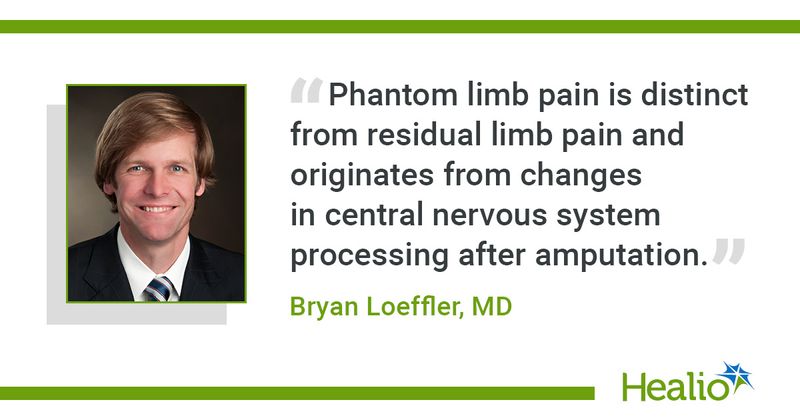
“Phantom limb pain is distinct from residual limb pain and originates from changes in central nervous system processing after amputation,” Loeffler told Healio. “While residual limb pain can often be addressed through peripheral interventions, phantom limb pain reflects disrupted brain mapping and cortical reorganization.”
Reframing the condition under a neurology umbrella, he said, is essential to pursuing treatments that address the source of the pain rather than only its symptoms.
The TBR software delivers a structured, four-phase therapeutic process grounded in established neurorehabilitation principles, Loeffler said. It begins with laterality recognition, followed by guided motor imagery, immersive mirror therapy and ultimately motor execution.
Together, these phases are designed to retrain disrupted neural pathways by progressively restoring the brain’s representation and control of the missing limb. As a result, TBR is intended to deliver consistent, repeatable neurorehabilitation in a clinical setting, Loeffler said.

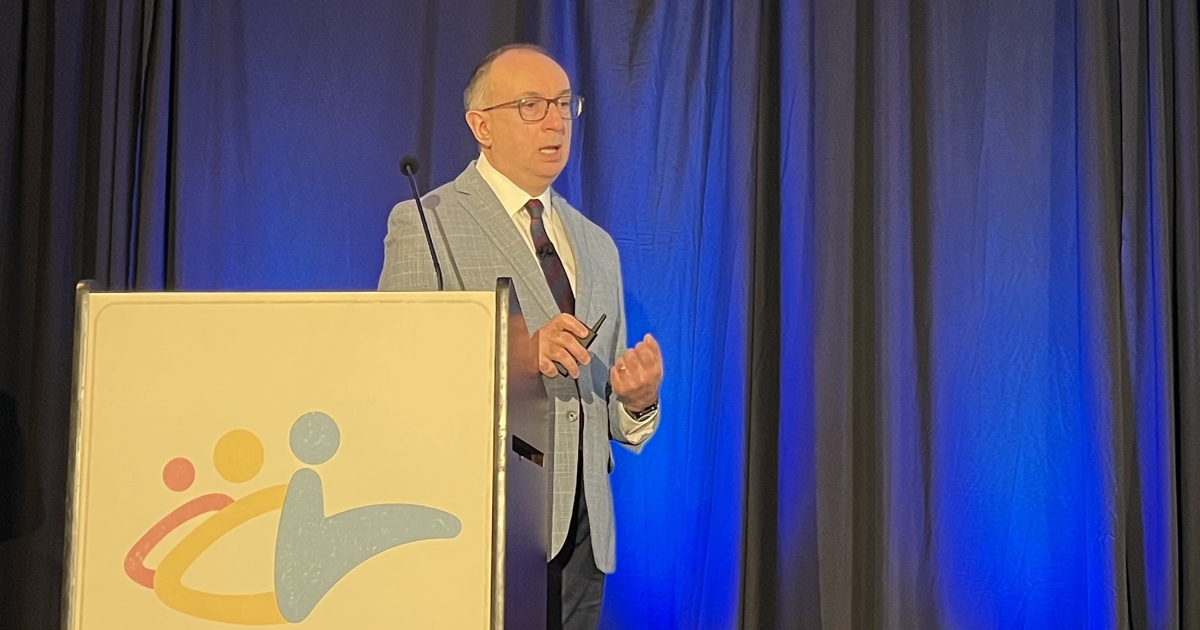
Glenn Gaston
“FDA registration allows TBR to be utilized in clinical settings through a regulated, standardized software system,” Gaston told Healio. “This enables clinicians to integrate the therapy into real-world care pathways while ensuring consistency and oversight.”
Axolo Health said it is currently commercializing the platform for in-clinic use, with plans to expand access over time as additional care settings are supported.
For more information:
Glenn Gaston, MD, and Bryan Loeffler, MD, can be reached at neurology@healio.com.
Sources/Disclosures
Source:
Press Release
Reference:
https://www.axolohealth.com/. Accessed Jan. 25, 2026.
Disclosures:
Gaston and Loeffler report employment with Axolo and serving as consultants for Ossur and Hanger Clinic.

Ask a clinical question and tap into Healio AI’s knowledge base.
- PubMed, enrolling/recruiting trials, guidelines
- Clinical Guidance, Healio CME, FDA news
- Healio’s exclusive daily news coverage of clinical data
<




Leave a Reply