
April 28, 2026
1 min read

Key takeaways:
- After surgery, patients with more uveitis attacks used topical corticosteroids for longer and had moderately worse vision.
- Uveitis attack history should be considered in preoperative counseling.
After having surgery for uveitis-associated cataracts, patients who had experienced more uveitis attacks required longer courses of topical steroids, according to a study published in Clinical Ophthalmology.
“Steroid-free recovery time is a clinically relevant metric because prolonged topical corticosteroid use increases the risk of intraocular pressure elevation, delays visual rehabilitation and may contribute to posterior capsule opacification,” Ata Baytarolu, MD, of the department of ophthalmology at Uak Training and Research Hospital, Turkey, and colleagues wrote.

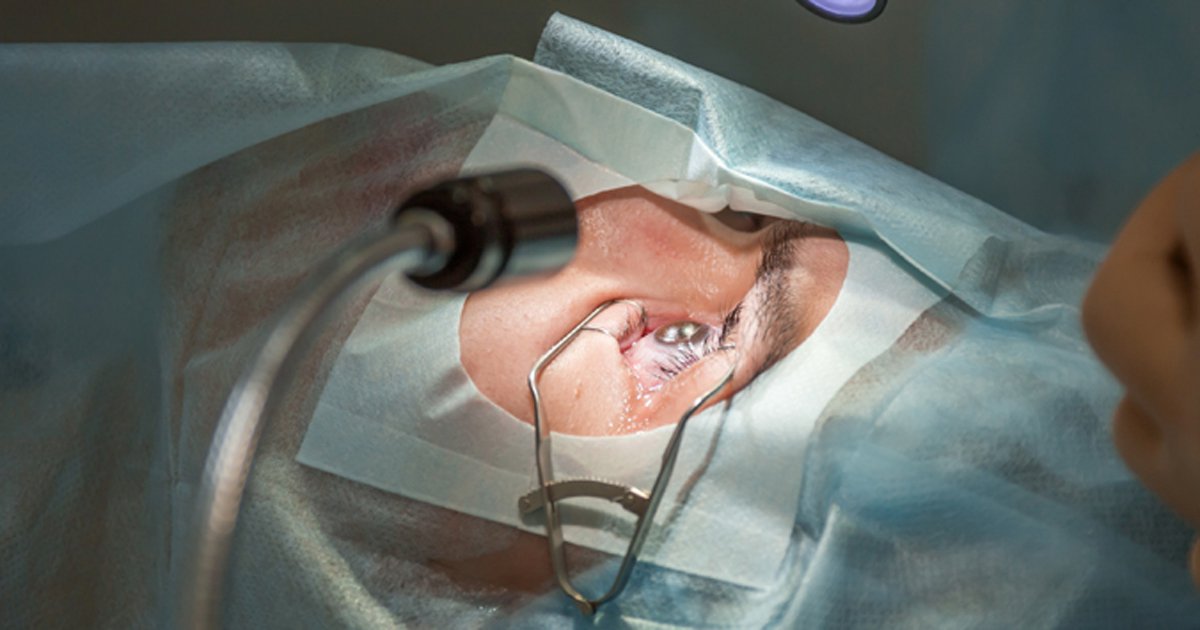
After having surgery for uveitis-associated cataracts, patients who had experienced more uveitis attacks required longer courses of topical steroids. Image: Adobe Stock
Using data from a single center, Baytarolu and colleagues examined whether outcomes were related to factors such as surgical complexity, uveitis attack history and use of biologic disease-modifying antirheumatic drugs.
The analysis included 54 eyes of 54 adults with uveitis-associated cataracts who had phacoemulsification and IOL implantation between January 2021 and September 2025. The surgeries were performed by a single surgeon at Uak Training and Research Hospital.
According to the results, each additional uveitis attack in a patient’s history was associated with a 1.29-day increase in the duration of their postoperative corticosteroid treatment.
The finding points to “the cumulative inflammatory burden on eye tissues” and supports “the idea that inflammatory memory in ocular tissues influences recovery after surgery,” Baytarolu and colleagues wrote.
Uveitis attack count was also “moderately negatively correlated” with best corrected visual acuity after surgery. The number of uveitis attacks “should be considered during preoperative counseling,” the researchers wrote.
Longer corticosteroid courses were associated with greater cumulative dissipated energy.
“Surgical techniques that reduce [cumulative dissipated energy], such as phaco chop, torsional phacoemulsification and femtosecond laser-assisted nucleus fragmentation, may be particularly advantageous in uveitic eyes,” according to the researchers.
Shorter courses were associated with use of biologic disease-modifying antirheumatic drugs.
“This finding is biologically plausible, given the known effectiveness of anti-[tumor necrosis factor] agents in controlling uveitis,” Baytarolu and colleagues wrote, adding that the result “supports the importance of optimizing systemic immunomodulation before surgery.”

Ask a clinical question and tap into Healio AI’s knowledge base.
- PubMed, enrolling/recruiting trials, guidelines
- Clinical Guidance, Healio CME, FDA news
- Healio’s exclusive daily news coverage of clinical data
<











Leave a Reply