
January 26, 2026
3 min read
Key takeaways:
- Genetics is a major contributor of autism, but a new study suggests prenatal wildfire smoke exposure may raise autism risk in infants, according to researchers.
- More research is needed to replicate the findings.
Exposure to wildfire smoke during the final months of pregnancy may raise the risk for autism in infants by up to 23%, a study published in Environmental Science & Technology indicated.
The data do not conclusively tie the disorder to wildfire exposure “but add to growing evidence of the adverse impact of air pollutants on fetal neurological development,” a press release said.

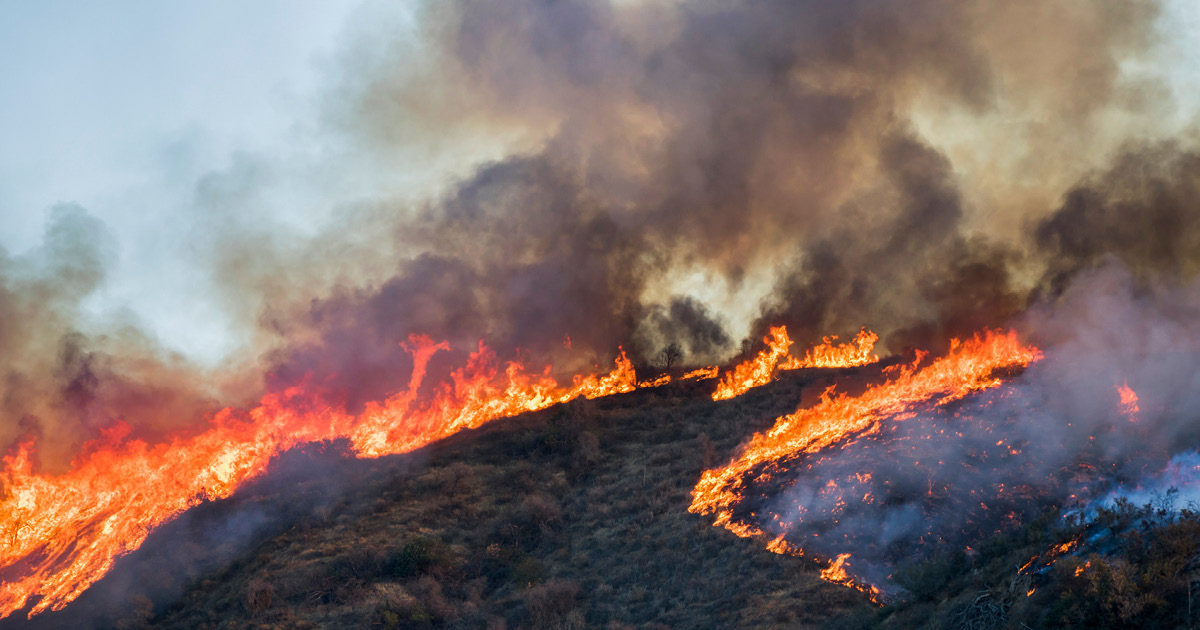
Genetics is a major contributor of autism, but a new study suggests prenatal wildfire smoke exposure may raise autism risk in infants, according to researchers. Image: Adobe Stock
“Both autism and wildfires are on the rise, and this study is just the beginning of investigating links between the two,” Mostafijur Rahman, PhD, MS, an assistant professor of environmental health sciences at Tulane University’s Celia Scott Weatherhead School of Public Health and Tropical Medicine, said in the release. “As climate change increases the frequency and intensity of wildfires in many parts of the world, understanding their relationship with autism is important to being able to develop preventive policy and interventions that will protect pregnant women and their children.”
According to data from CDC’s Morbidity and Mortality Weekly Report, the prevalence of autism in 2022 among children aged 8 years was about one in 31, up from one in 36 in 2020.
HHS last April announced it was investigating if environmental toxins were responsible for this increase, though experts said there are likely multiple causes and combinations of factors leading to autism.
Rahman and colleagues noted that genetics is a major contributor behind the neurodevelopmental condition “but a large body of literature has shown an association between prenatal exposure to fine particulate matter (PM2.5) air pollution and an increased risk of autism among children.”
“While there are a growing number of studies with chronic effects of wildfire PM, there are none investigating associations with autism,” they wrote.
The researchers filled this gap by assessing over 200,000 births during 2006 to 2014 in Southern California, a state that experienced 3,356 wildfires from 2009 to 2018, according to The Nature Conservancy and the University of California, Santa Barbara.
Rahman and colleagues examined wildfire smoke exposure — measured through metrics like the mean wildfire PM2.5 concentration, number of days of smoke exposure and number of waves of smoke exposure — across pregnancy and at different trimesters.
During the study period, 3,356 diagnoses of autism occurred in children by the age of 5 years.
The researchers reported that the infants of women with 1 to 5 days (HR = 1.108; 95% CI, 1.01-1.215), 6 to 10 days (HR = 1.118; 95% CI, 0.957-1.307) and over 10 days (HR = 1.225; 95% CI, 1.043-1.44) of wildfire exposure during the third trimester of pregnancy had a higher risk for autism vs. those whose mothers had no exposure.
According to the release, the mothers of infants with autism were likelier to be older, never have a prior pregnancy, and have a higher prevalence of obesity and diabetes before pregnancy.
There were also four times as many boys diagnosed with autism as girls.
Rahman and colleagues explained that wildfire smoke “has been reported to be enriched in potassium, sulfur, aluminum, silicon and carbonaceous material.”
“Carbonaceous PM components have been previously associated with autism development,” they wrote. “Wildfire PM2.5 also generates reactive oxygen species with oxidative potential.”
But they acknowledged that some contributors besides wildfire smoke could explain the link.
“Wildfire events, for example, have been associated with bouts of mental health stress, including anxiety and depression; maternal stress during pregnancy has been associated with autism development their children,” they wrote. “Accordingly, these wildfire exposures may be linked to autism through stress as a mediator.”
The researchers concluded that further research is needed to replicate the findings, identify the biological mechanisms behind the association and “clarify some uncertainties in the dose-response.”
“Public health authorities may consider prioritizing pregnant women for protection from wildfire smoke, perhaps particularly during late pregnancy,” they wrote.

Ask a clinical question and tap into Healio AI’s knowledge base.
- PubMed, enrolling/recruiting trials, guidelines
- Clinical Guidance, Healio CME, FDA news
- Healio’s exclusive daily news coverage of clinical data
<









Leave a Reply