
April 28, 2026
3 min read
Key takeaways:
- A treatment sequence of Restylane followed by Sculptra can optimize outcomes for menopausal women..
- A second study showed cellular changes in abdominal adipose tissue after medication-driven weight loss.
Interim results from two investigator-initiated trials revealed insights into the role of injectables to address the aesthetic changes that accompany menopause and medication-driven weight loss, according to an industry press release.
The first study, led by Andreas Nikolis, MD, PhD, FRCSC, associate professor of plastic surgery at McGill University, national medical director of Victoria Park Medispas and medical director of Erevna Innovations’ clinical research unit, demonstrated that the combination of Restylane Skinbooster (Galderma), a hyaluronic acid-based injectable, and Sculptra (Galderma), an FDA-approved biostimulator made of poly-L-lactic acid, improved the skin quality of menopausal women.

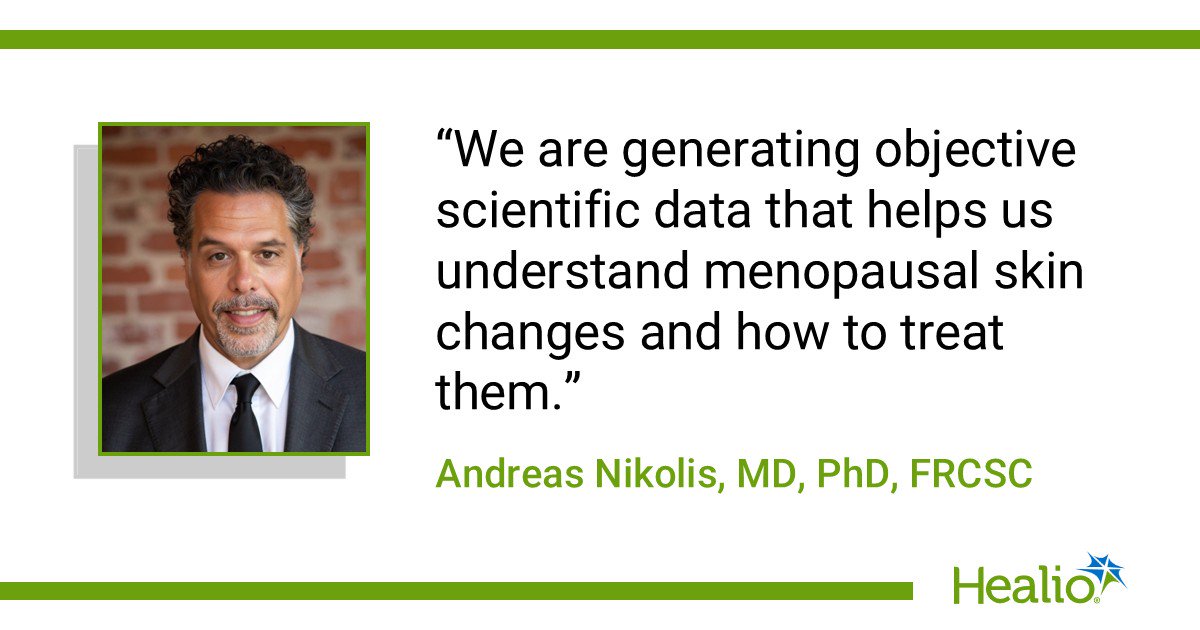
“Menopause affects more than one billion women globally, yet its impact on skin health has historically been under-recognized and under-studied,” Nikolis told Healio. “What makes this moment so important is that we are finally moving from observation to evidence, whereby we are generating objective scientific data that helps us understand menopausal skin changes and how to treat them in a way that is natural, effective and evidence-based.”

Sabrina Fabi
In the second study, Sabrina Fabi, MD, volunteer assistant clinical professor at Cosmetic Laser Dermatology in San Diego, and colleagues observed that medication-driven weight loss alters the cellular composition of abdominal adipose tissue.
“It’s a consistent clinical observation that patients using prescription weight-loss medications present with aesthetic changes, particularly volume loss and skin laxity, that appear more pronounced than clinicians would typically expect from weight loss alone,” Fabi told Healio. “The interim findings of this trial finally shed some light on this, suggesting that medication-driven weight loss may affect not just the amount of fat in the body, but the biology of the tissue itself.”
Injectables for menopause-related skin changes
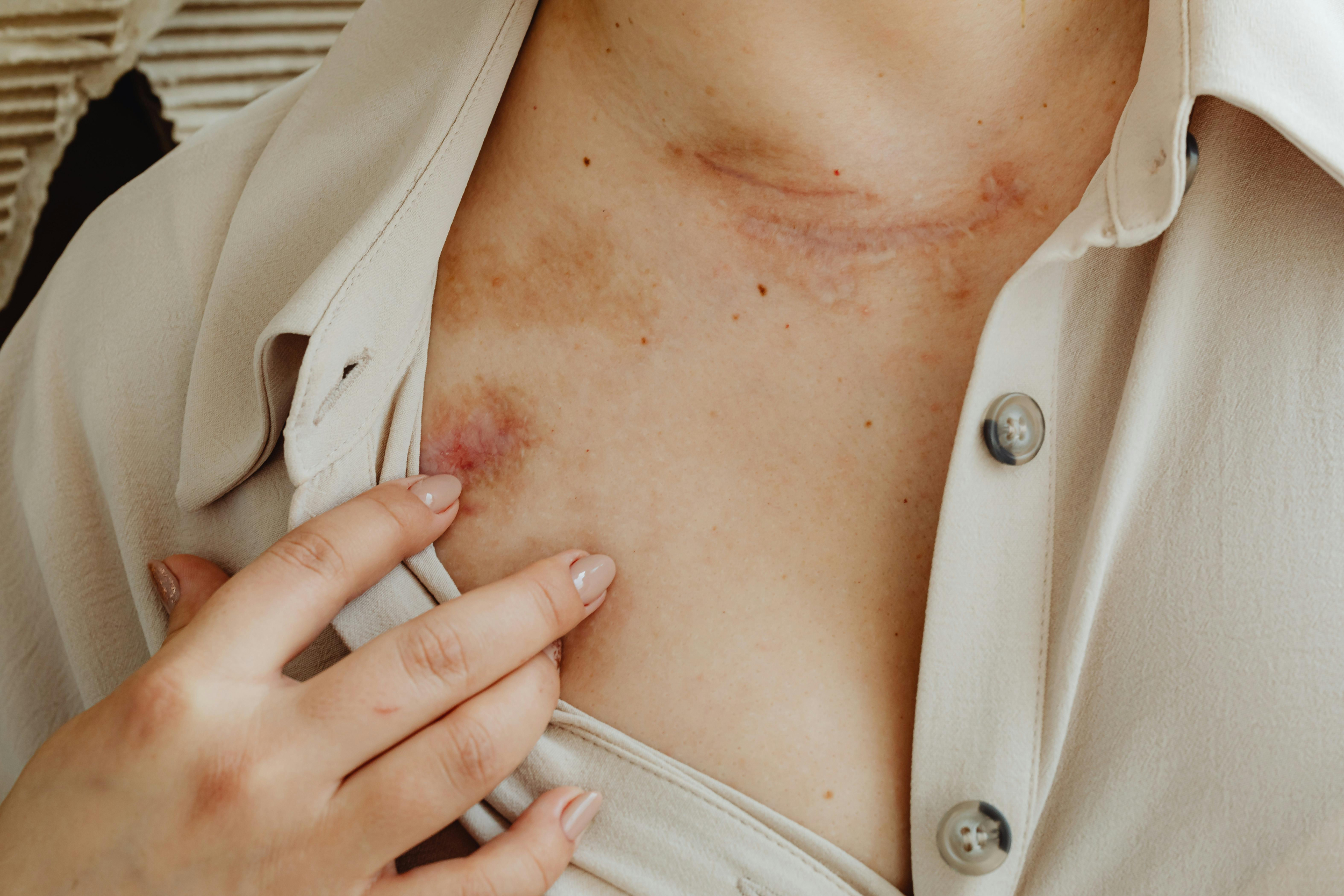
During the 9-month clinical sequencing trial, menopausal women treated with the injectable combination in their face and décolletage experienced meaningful improvements in skin quality, particularly hydration, with the most significant hydration advancements seen when Restylane Skinboosters was used before Sculptra, according to the release.
“When skin quality [in terms of hydration] was first improved with Restylane Skinboosters, the subsequent regenerative, as well as collagen and elastin, stimulating effects of Sculptra appeared to be even further enhanced,” Nikolis said. “That suggests skin preconditioning may play an important role in optimizing treatment outcomes.”
Facial hydration and other skin-barrier outcomes such as volume, firmness, radiance and wrinkles improved over time, with participants reporting rising satisfaction scores that reached their peak at month 6 of the study, according to the release.
“This data set directly addresses two of the hallmark concerns of menopausal skin: dryness and collagen loss,” Nikolis told Healio. “These are not superficial issues; they are biologic changes that affect skin quality, function and appearance. Our findings help bring scientific structure to an area that has long lacked targeted, data-driven treatment strategies.”
Cellular changes with medication-driven weight loss
For the second study, researchers evaluated 20 women with mild to moderate skin laxity in their abdomen and found that women treated with weight loss medication exhibited a four-fold reduction in adipose-derived stem cells, the regenerative cell population responsible for maintaining healthy fat tissue, compared with women who were not taking a weight loss medication, the press release stated.
“In simple terms, the tissue may lose some of its regenerative capacity, meaning it does not adapt or recover in the same way as it might with weight loss driven by lifestyle changes alone,” Fabi said. “These findings suggest that the aesthetic impact of medication-driven weight loss is not purely mechanical, but biological, and reinforce the importance of treatment approaches that go beyond replacing lost volume and instead support the underlying regenerative health of the skin and soft tissue.”
Fabi suggests that incorporating regenerative treatments that work across tissue layers, such as Sculptra, into a person’s medication-driven weight loss journey may provide skin health benefits.
For more information:
Andreas Nikolis, MD, PhD, FRCSC, can be reached on Instagram: @drandreasnikolis.
Sabrina Fabi, MD, can be reached on Instagram: @sabrina.fabi.
Sources/Disclosures
Source:
Press Release
Disclosures:
Fabi reports having financial relationships with Abbvie, Galderma, Merz, Revance and Solta. Nikolis reports having financial relationships with Allergan, Galderma, Merz and Prollenium. .

Ask a clinical question and tap into Healio AI’s knowledge base.
- PubMed, enrolling/recruiting trials, guidelines
- Clinical Guidance, Healio CME, FDA news
- Healio’s exclusive daily news coverage of clinical data
<









Leave a Reply