
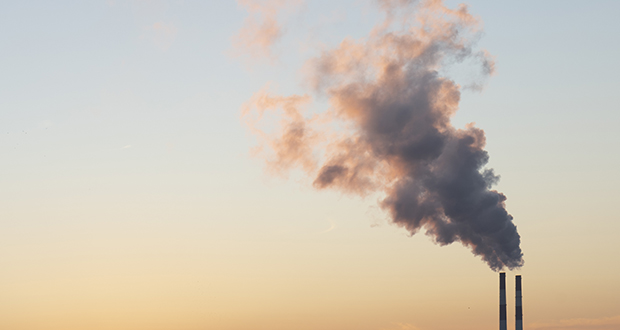
Long-term exposure to polluted air particles associated with 11 per cent increase in developing cancer and 12 per cent rise in dying from the disease
Long-term exposure to polluted air significantly raises a person’s overall risk of developing and dying of cancer, with particular risks associated with lung, liver and breast tumours, a major international study has found.
Long-term exposure to small polluted air particles (PM2.5) raises the overall risk of an individual developing cancer by 11 per cent. However, for liver cancer alone the risk rises to 32 per cent, while high PM2.5 levels increase the odds of developing colorectal cancer rise 18 per cent.
Living in high PM2.5 areas also increases the overall risk of dying from cancer by 12 per cent – and specifically from breast cancer by 20 per cent, from liver cancer by 14 per cent, and from lung cancer by 12 per cent.
When it comes to larger air pollutants (PM10), long-term exposure is linked with a 10 per cent higher overall risk of an individual developing cancer, and a 13 per cent increased risk of dying from lung cancer and 11 per cent increased risk of dying from breast cancer.
The findings were revealed in the global report ‘Clean Air in Cancer Control: An Overview of the Evidence’ published by the Union for International Cancer Control (UICC).
The study confirms that air pollution is not only a driver of lung cancer but also significantly increases the risk of developing multiple other cancers and of premature death.
“We have made huge strides in reducing deaths from cancer, but polluted air is silently undermining that progress,” said UICC CEO Cary Adams.
“It is a risk people cannot opt out of, and one that disproportionately affects women, children and people living in poverty.”
Ambient air pollution is estimated to contribute to around 434,000 lung-cancer related deaths each year.
Air pollution has long been known as a major health hazard and a major cancer risk factor, but until now the full picture of its impact on cancer incidence and survival beyond lung cancer had not been fully studied.
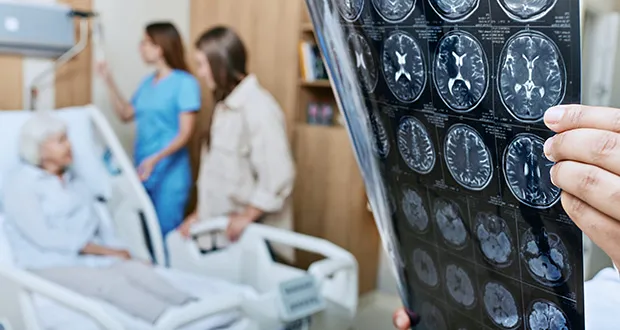
Emerging evidence also shows a 63 per cent higher risk of brain cancer for people with higher long-term absorption of fine particulate air pollution (PM2.5).
Absorption refers to how much pollution is taken up by the body over time: Because PM2.5 particles are small enough to pass from the lungs into the bloodstream and reach the brain, greater long-term uptake, not just higher levels in the air, is linked to increased cancer risk.
The report also highlights that these risks are not shared equally. Women and children exposed to smoke from solid fuels for cooking and heating, with women exposed to household air pollution face a 69 per cent higher risk of lung cancer, alongside increased risks of cervical cancer. In addition, outdoor workers, and communities near industrial facilities – often economically deprived communities – face the highest levels of exposure.
Low- and middle-income countries overall bear the greatest burden, with limited resources to reduce pollution or access to timely cancer care, compounding health and economic inequities. These are also the countries whose health systems are least equipped to deal with the projected rise in cancer cases over the next decades, from 20 million in 2022 to 35 million in 2050.
The report notes that, while research gaps remain, the evidence is already strong enough to justify decisive action. The authors recommend that governments take a number of steps, including the enforcement of air-quality standards, expanding air quality monitoring, reform of transport and energy policies, and integrating air-quality targets into national cancer control plans.
“Cleaner air is urgently needed to head off the expected rise in cancer in the coming decades, especially in low- and middle-income countries, said Nina Renshaw of the Clean Air Fund, which supported the report.
“Clean air is essential to both cancer prevention and improving survival. Without it, decades of investment in cancer research and treatments will be needlessly undermined.
“The benefits of action will be counted in lives saved, successful treatments, and cost savings for health systems. Governments must act decisively, to enforce emissions standards, shift to clean energy, and embed air-quality goals into health strategies and national cancer control plans.”
<








Leave a Reply