
April 24, 2026
2 min read

Key takeaways:
- Children with long QT syndrome had better quality of life if they performed vigorous exercise.
- The results add further evidence for encouraging physical activity in this population.
In children with long QT syndrome, vigorous exercise was linked to better physical and psychosocial quality of life compared with nonvigorous exercise, researchers reported at Heart Rhythm 2026.
As Healio previously reported, in the main results of LIVE-LQTS, people with long QT syndrome who exercised vigorously did not have increased risk for death or ventricular arrhythmias compared with those who exercised nonvigorously.

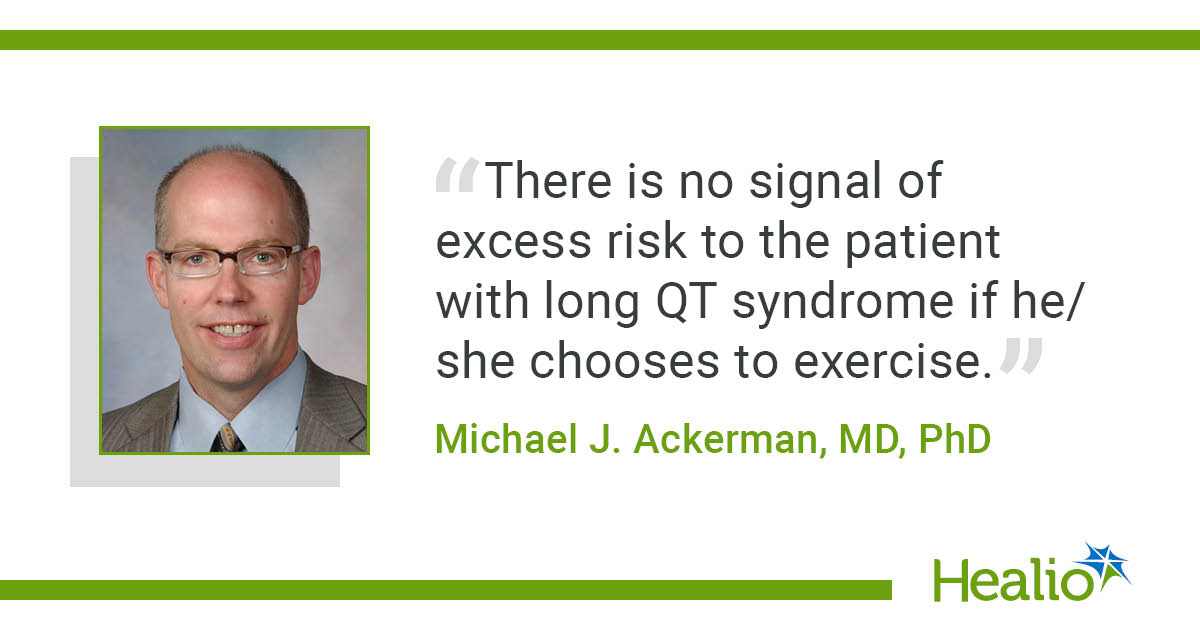
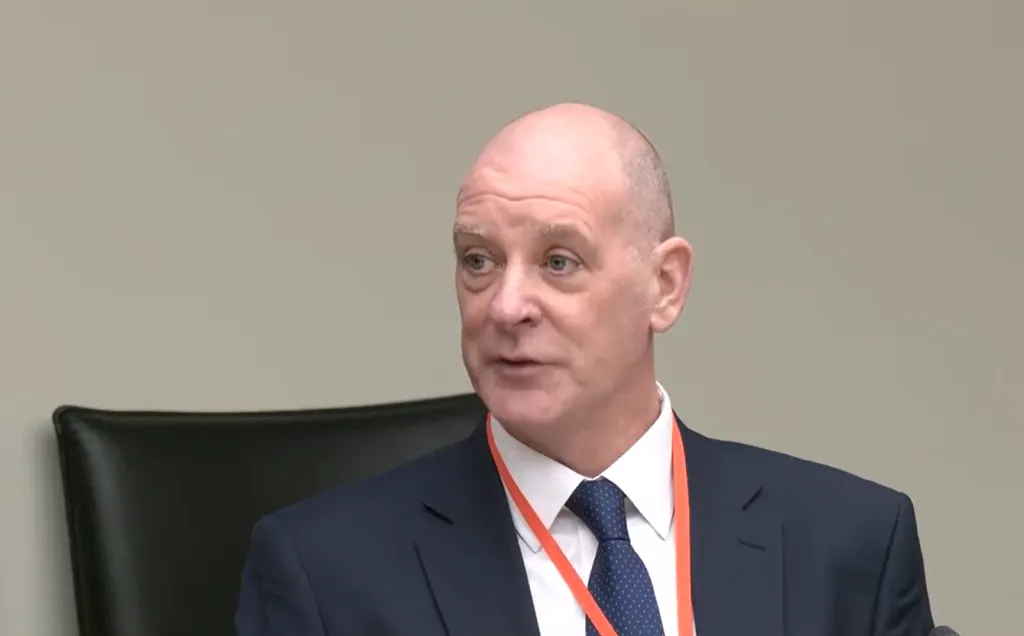
Michael J. Ackerman, MD, PhD, Windland Smith Rice Cardiovascular Genomics Research Professor and professor of medicine, pediatrics and pharmacology at Mayo Clinic College of Medicine and Science, director of the Mayo Clinic Windland Smith Rice Genetic Heart Rhythm Clinic and the Mayo Clinic Windland Smith Rice Sudden Death Genomics Laboratory and president of the Sudden Arrhythmia Death Syndromes (SADS) Foundation, presented a substudy of 483 pediatric patients (mean age, 13 years; 51% girls; 297 exercising vigorously) with long QT syndrome from LIVE-LQTS evaluating whether quality of life differed between vigorous vs. nonvigorous exercise.
“For decades, the messaging from physicians taking care of children and adolescents with congenital long QT syndrome has been very restrictive,” Ackerman told Healio. “Don’t do this, don’t do that. Walk to the bus, don’t run. Sports — forget about it. It has been very prohibitive. Only recently have the [Heart Rhythm Society] and other cardiac society guidelines shifted toward an enlightened shared decision-making model when it comes to participating in competitive sports if you have long QT syndrome or any of a number of genetic heart diseases.”
Compared with the nonvigorous group, the vigorous group had higher scores in the following quality of metrics: Pediatric Cardiac Quality of Life Inventory (PCQLI) total score (patient-reported, P = .006; parent-reported, P = .001), PCQLI disease impact subscale score (patient-reported, P = .009; parent-reported, P < .001), PCQLI psychosocial impact subscale score (patient-reported, P = .008; parent-reported, P = .011), Pediatric Quality of Life Inventory (PedsQL) total score (patient-reported, P = .001; parent-reported, P = .001), PedsQL physical summary score (patient-reported, P < .001; parent-reported, P < .001) and PedsQL psychosocial summary (patient-reported, P = .01; parent-reported, P = .006), according to the researchers.
“The results were pleasantly and expectantly confirmatory to what I have witnessed among my patients and families with long QT syndrome these past 25 years,” Ackerman told Healio. “So, I was not surprised because my program and Mayo Clinic has led the way toward this ‘enlightened view’ about the safety and the benefits of enabling and empowering our patients to live and thrive despite their diagnosis. We have now shown and reshown that there is no signal of excess risk to the patient with long QT syndrome if he/she chooses to exercise or chooses to be a competitive athlete. We have also now shown that indeed the quality of life is measurably higher in those who exercise the most. So, instead of ‘If in doubt, kick them out,’ we must be encouraging our patients to be active. And if we are not comfortable with supporting their pursuits, then we should refer rather than disqualify.”
He said: “We, the community of providers who take care of these families, need to become more confident and competent in their care such that we empower them to do more and not make them paralyzed in a fear as if sudden death is around the corner about to snatch their child at any moment. Simply not true!”
For more information:
Michael J. Ackerman, MD, PhD, can be reached at ackerman.michael@mayo.edu or X @MJAckermanMDPhD.
Sources/Disclosures
Source:
Ackerman MJ, et al. New perspectives on the rare but deadly. Presented at: Heart Rhythm 2026; April 23-26, 2026; Chicago.
Disclosures:
Ackerman reports holding intellectual property rights from projects with AliveCor, Anumana, Pfizer and Solid Bioscience and consulting for Abbott, ARMGO Pharma, BioMarin, Boston Scientific, Bristol Myers Squibb, Illumina, Medtronic, Prolaio, Tenaya, Thryv Therapeutics and UpToDate.

Ask a clinical question and tap into Healio AI’s knowledge base.
- PubMed, enrolling/recruiting trials, guidelines
- Clinical Guidance, Healio CME, FDA news
- Healio’s exclusive daily news coverage of clinical data
<









Leave a Reply